There’s more to household waste management than filling bins and dragging them to the curb on collection day. It’s a matter of knowing where to put things, what can be reused, and how to keep costs down. Homeowners concerned about the environment can keep their homes and communities cleaner and healthier by making wise use of waste, note RENTit Colorado specialists.
What Waste Can Go
It turns out that determining what can be thrown away isn’t as simple as it sounds. Regular domestic waste, such as paper, plastic, and food waste, does have a place, but batteries, paint, or electronics require special handling. It’s a lesson many homeowners have to learn the hard way when a fine is levied for non-compliance with waste management rules. Your local council will usually have simple recycling guides to help you sort. When hiring your skip hire Ormskirk or ordering your household bins, please remember to separate your waste materials carefully.
Skip Hire Secrets
It’s true that a skip may be the best answer for all your rubbish needs, but there is a little more to it than that. Some items should not be included, such as tyres, plasterboard, or chemicals, and there may be an additional cost as a result of overfilling your skip. It’s a good idea to ask the company that’s delivering your skip if you can put any questionable materials in it. A registered waste carrier will ensure your rubbish is disposed of correctly, rather than being fly-tipped. By following these few simple rules, you can keep your skip hire running smoothly and avoid any unexpected bills or trouble with the law.
Sorting Made Simple
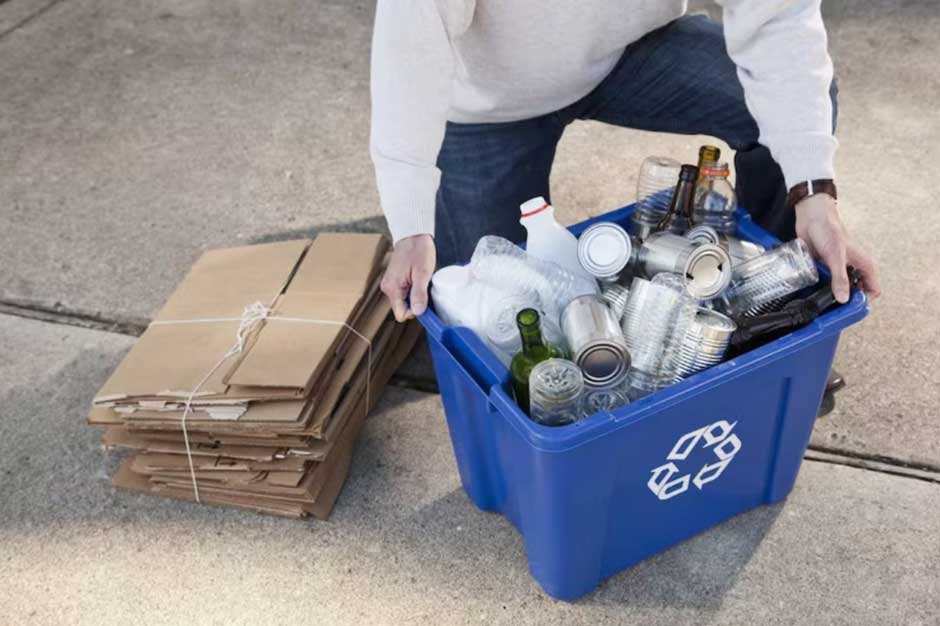
Sorting your rubbish may seem boring, but it makes your life easier and the planet breathe a little better. Separate bins for recyclables, organics, and regular trash help prevent undermining the integrity of recycling. Wash out bottles and cans and flatten cardboard to conserve space before tossing them. Sidewalk slop can be composted to reduce waste volume. All those leftovers from Meals on Wheels aren’t headed for a dump. When sorting your garbage becomes a habit, it sort of takes care of itself. By directing less waste to landfill, you’re not just making a difference at home; you’re helping prevent your grandchildren from having to navigate through an endless mountain of waste.
Treatment Method Choices
When your waste leaves your driveway, it gets treated by way of a few different processes. Recycling converts waste materials into new products, while composting converts food and garden waste into soil. Burning waste to generate power is incineration, which is not always the best for the environment. Landfilling is, indeed, the last option for waste that cannot be processed otherwise. By reducing, reusing, and recycling, families directly contribute to efficient waste treatment systems that are less damaging to the environment overall.
Avoiding Hidden Costs
Waste management can appear simple enough, but then there are the hidden costs. Overstuffing bins, missing collection days, or putting restricted items in your bin can all incur surprise charges. Several councils also charge for garden waste or for the collection of bulky items. So make sure you’ve read the fine print on what a waste service does and doesn’t include before you sign up. Browse providers and compare prices to find cheap deals that suit your needs. Watching for these small details will prevent last-minute expenses and keep your budget intact.
Reuse Before Removal
Before throwing something in the bin, consider whether it has another life. Old tins turn into organisers, old clothes into dust cloths, and old paint can be made into new paint. But even if your items aren’t going to be sold, good-quality equipment can be passed on to charities or community groups and have a second life rather than going into the waste. Reusing everyday things also relieves the pressure on landfills, saves money, and can add a bit of personality to your home. It feels good to help sustain the planet without feeling like you’re living in the past or getting brownie points for eating too much.
Know Your Local Rules
There are different waste regulations in every region, so it is essential to know the collection rules of your local council. Some municipalities separate the collection of glass, while others allow it to be mixed with the recyclables. There could be rules for how much trash can be put out or when to put the bins on the street. Failing to adhere to these instructions could mean you get fined or the collection service skips your pickup. Fortunately, the instructions from most councils clearly lay them out.
Conclusion
Accurate waste management begins with consciousness and a little responsibility. Everything you do, from sorting your waste to reusing products to finding out about local rules, adds up and does make a difference. When homeowners take waste management into their own hands, they are cleaning up, saving money, and helping to build healthier communities. These little practices you have every day could really make an impact on a cleaner and greener environment.
