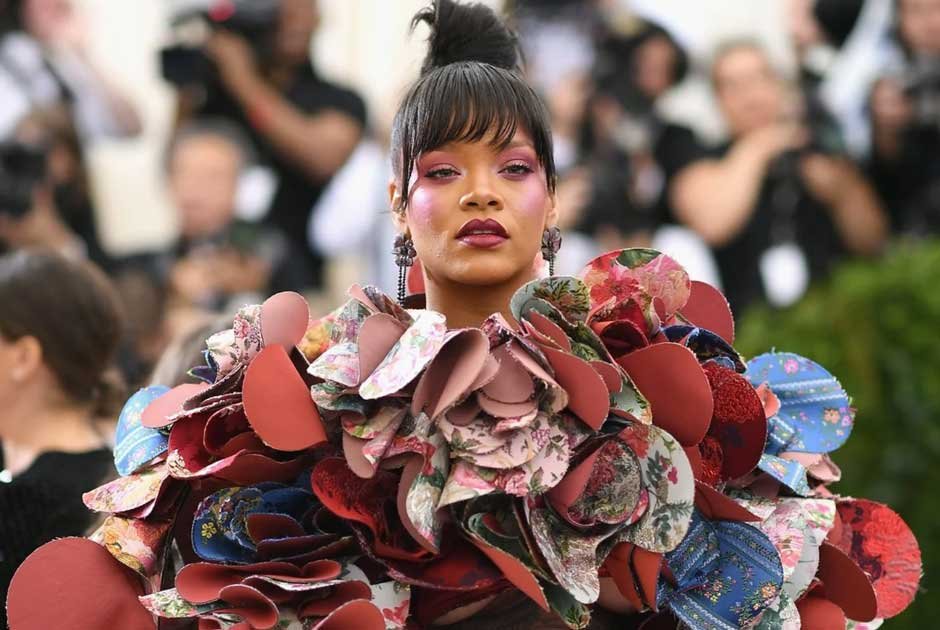
If you’ve ever found yourself captivated by fashion that seems to challenge the rules, chances are you’ve encountered Comme des Garçons. The name itself, French for “like boys”, might hint at simplicity or a casual aesthetic—but anyone familiar with the brand knows it’s anything but ordinary. Since its inception, Comme des Garçons has become a global symbol of avant-garde fashion check at https://commedesgarcon.fr/, constantly pushing the boundaries of what clothing can represent.
The Origins of Comme des Garçons
Comme des Garçons was founded in 1969 by Rei Kawakubo, a Japanese designer whose vision was as radical as it was transformative. Launching in Tokyo at a time when Western fashion dominated, Kawakubo was determined to create something uniquely her own. Her designs weren’t just about looking good—they were about challenging norms and exploring ideas.
By 1973, Kawakubo introduced Comme des Garçons to Paris, the beating heart of fashion. The reception was polarizing: critics were stunned, some offended, but the fashion world could not ignore the bold statement she was making. Unlike many designers of the era, Kawakubo didn’t chase trends—she created her own. Her philosophy was clear: fashion is art, and clothing can provoke thought.
Aesthetic Philosophy: Breaking the Mold
What makes Comme des Garçons so distinctive? It’s not flashy logos or celebrity endorsements—it’s the conceptual design. Kawakubo often experiments with asymmetry, deconstruction, and unconventional silhouettes. You might see oversized shoulders, unbalanced hems, or garments that appear incomplete—but that’s the point. Each piece challenges our expectations of structure, gender norms, and even beauty itself.
The brand also embraces monochrome palettes, primarily black, white, and shades of grey. This minimalist approach contrasts with the complexity of the shapes and textures, creating clothing that feels both intellectual and emotional. Unlike fast fashion, Comme des Garçons asks you to pause, observe, and interpret. Every garment tells a story, making fashion a conversation rather than mere decoration.
Iconic Lines and Collaborations
Comme des Garçons isn’t a single collection—it’s a universe of sub-labels and collaborations that broaden its influence. There’s the main line, Comme des Garçons Homme, which focuses on menswear, and Comme des Garçons Play, which features the brand’s iconic heart logo designed by Filip Pagowski. Play is more accessible, casual, and often considered an entry point for younger fans.
Over the years, Comme des Garçons has collaborated with brands ranging from Nike and Converse to Supreme and Louis Vuitton, bridging the gap between high fashion and streetwear visit at https://essentialshoodies.ca/. Each collaboration carries Kawakubo’s signature touch, whether it’s a reimagined sneaker or a deconstructed hoodie. These partnerships have helped cement the brand’s relevance across generations, proving that avant-garde fashion can be wearable—even iconic.
Cultural Impact
Comme des Garçons is more than clothing; it’s a cultural phenomenon. The brand has influenced everything from runway shows to music, art, and even interior design. Its influence on streetwear, in particular, has been profound. You can spot elements of its aesthetic—oversized fits, layered looks, monochromatic tones—in the wardrobes of fashion-forward individuals worldwide.
The brand’s philosophy also challenges gender norms in fashion. By blurring lines between menswear and womenswear, Comme des Garçons has paved the way for more fluid expressions of identity. It’s not just about what you wear—it’s about who you are, how you want to be seen, and how clothing can reflect inner thought.
Why People Love Comme des Garçons
So, why has Comme des Garçons maintained such a loyal following for over 50 years? Partly, it’s innovation. Partly, it’s authenticity. People are drawn to the brand because it doesn’t compromise. It doesn’t pander to trends or celebrity culture; it creates a dialogue between the wearer and the world.
Fans often describe the experience of wearing Comme des Garçons as transformative. There’s a sense of empowerment, of belonging to something intellectual and creative. Each piece isn’t just worn—it’s interpreted. And that’s exactly what sets the brand apart from so many others in the fashion landscape.
The Future of Comme des Garçons
Even decades after its founding, Comme des Garçons continues to innovate. Rei Kawakubo remains an active force in the design world, always pushing boundaries and exploring new concepts. The brand’s commitment to creativity over commerce ensures that each season brings surprises, challenges expectations, and reshapes the dialogue around fashion.
With younger designers inspired by Kawakubo and sub-labels expanding global reach, the influence of Comme des Garçons shows no signs of slowing down. It’s more than a brand—it’s a movement, a philosophy, and an ever-evolving artistic expression.
Conclusion
Comme des Garçons is a testament to the power of visionary thinking in fashion. From its humble beginnings in Tokyo to its status as a global icon, the brand has consistently redefined what clothing can be. It’s daring, unconventional, and unapologetically creative—a reminder that fashion isn’t just about looking good; it’s about expressing ideas, challenging norms, and celebrating individuality.
If there’s one thing to take away from Comme des Garçons, it’s this: fashion is limitless. And when a designer like Rei Kawakubo dares to break the rules, we’re reminded that the most memorable style isn’t just worn—it’s experienced.
