Unveiling Đeman: More Than Just a Word
In the vast lexicon of global languages, some words resonate with a mysterious charm. They resist simple translation, carrying within them the weight of culture, history, and a unique way of seeing the world. The word đeman is one such term, a linguistic gem primarily found in the Balkans that sparks curiosity with its distinctive “đ” and melodic sound.
To encounter the word đeman is to stand at a crossroads of meaning. For many, it is a heartfelt compliment, a descriptor of inner grace and character. For others, it evokes whispers of folklore and myth, a name for spirits and unseen forces. This duality is not a contradiction but a testament to the word’s rich and layered history.
The Heart of Đeman: A Portrait of Grace and Character
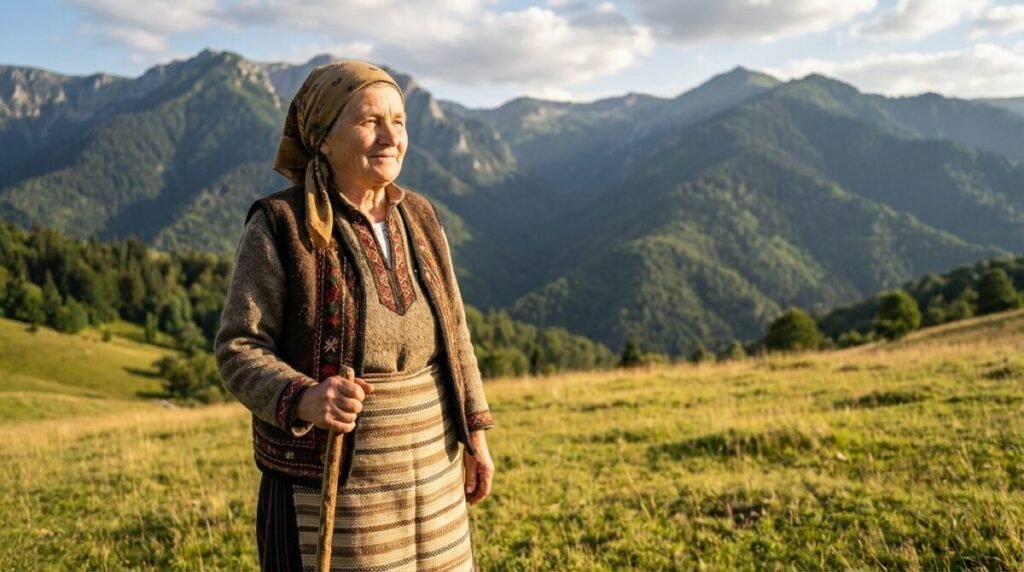
In the daily life of Balkan countries like Bosnia, Serbia, and Montenegro, to call someone đeman is to offer a profound compliment. It describes a person who embodies a quiet and pleasant elegance, a charm that radiates from within. This is not about physical attractiveness, but about the beauty of one’s character and conduct.
A person who is đeman is gentle, well-mannered, and considerate. They carry themselves with a calm dignity and treat others with warmth and respect. It is a term that celebrates the virtues of humility, kindness, and a composed spirit, qualities that are deeply valued in the region’s social fabric.
The Journey of a Word: From Empires to Folklore
Ottoman Roots and the Concept of Cemal
The most widely accepted origin of đeman traces back to the Ottoman Empire’s long presence in Southeastern Europe. The word is believed to be a descendant of the Turkish term cemal, which means “beauty,” “grace,” or “elegance.” As the Ottoman language mingled with local Slavic dialects, cemal was adopted and transformed into đeman, retaining its core meaning of pleasantness and grace.
Slavic Whispers: The Mythical Undertones
However, another thread of its etymology points to older Slavic roots, where similar-sounding words were associated with spirits or supernatural entities. This connection gives đeman a mystical undertone, linking it to the region’s rich tapestry of folklore and mythology, where the lines between the natural and the supernatural often blur.
Đeman in the Fabric of Daily Life
A Compliment of the Highest Order
Traditionally, being called đeman was among the highest forms of praise. It signified that a person possessed not just good manners but also a moral integrity that earned them respect within their community. A “đeman woman” was admired for her modesty and grace, while a “đeman man” was recognized for his gentle temperament and respectful nature.
Enduring Presence in Modern Conversations
Even today, the word has not lost its power. It appears in casual conversations, folk songs, and poetry, often used to express sincere admiration for someone’s pleasant and kind-hearted demeanor. It is a word spoken with warmth, a genuine acknowledgment of the goodness in another person.
The Mystical Side: Đeman in Stories and Legends
A Spirit of the Wild
Beyond its use as a compliment, đeman also occupies a space in the world of myth. In some folklore traditions, it is the name given to a spirit or entity, often one that is tied to nature and the wild. These beings are not always malevolent; like nature itself, they can be both protectors and tricksters, embodying a duality that commands respect.
A Metaphor for the Human Condition
In modern literature and pop culture, this interpretation of đeman has been embraced as a powerful metaphor. It is used to represent the inner struggles of a character, their “inner demons,” or the mysterious forces that shape their destiny. This symbolic use adds another layer of depth to the word, connecting it to the universal human experience of confronting the unknown.
The Rebirth of Đeman in a Digital World
From Folk Songs to Social Media
In an age of fleeting trends and globalized slang, one might expect a word like đeman to fade into obscurity. Yet, it is experiencing a quiet resurgence. On social media platforms, young people from the Balkan diaspora use the word in captions and comments, a digital nod to their cultural heritage.
A Bridge to Cultural Heritage
For those living far from their ancestral homes, using the word đeman becomes a way to connect with their roots and the values they were raised with. It serves as a bridge between generations, a reminder of a cultural identity that is both unique and enduring.
Why the Legacy of Đeman Continues
A Timeless Celebration of Virtue
The story of đeman is the story of a word that refuses to be confined to a single definition. It is both a celebration of human virtue and a window into a world of myth and mystery. Its legacy endures because it speaks to timeless values—kindness, grace, and the quiet strength of a good character.
The Enduring Power of a Single Word
In a world that often prioritizes the external, đeman is a gentle reminder that true beauty is a quality of the soul. It is a word that captures the essence of what it means to be a good person, a concept that will always remain relevant and cherished.
