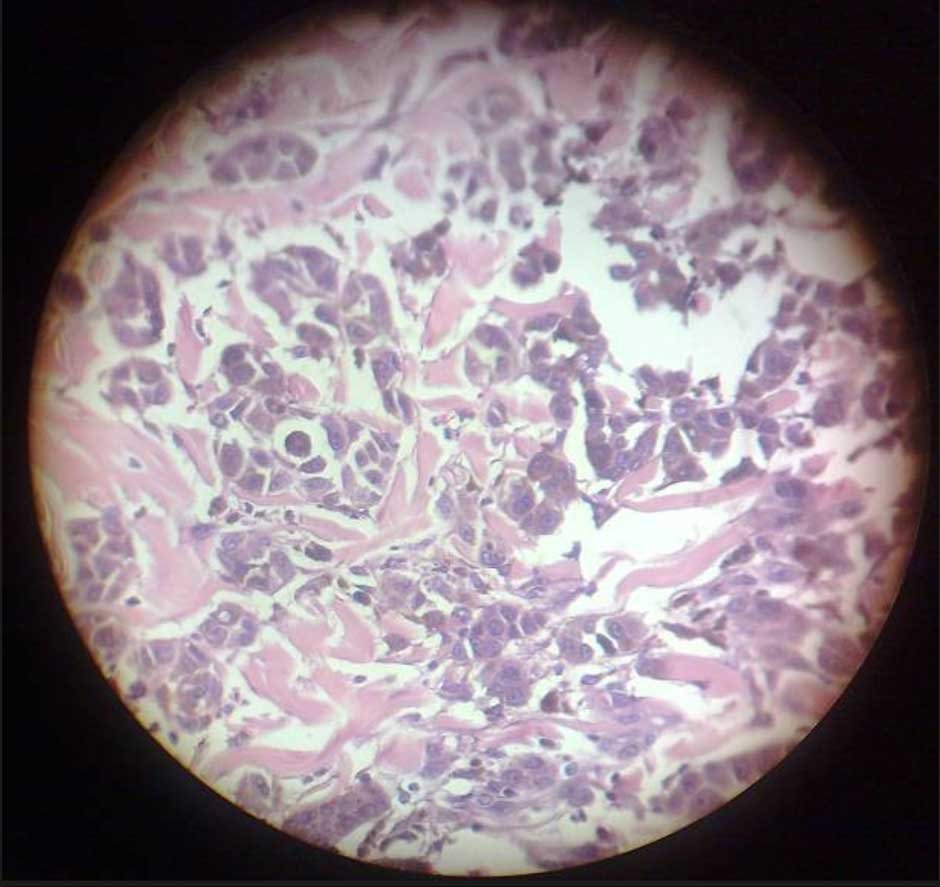
In the world of emerging fictional ailments, few conditions capture a good deal of mystery and worry as ozdikenosis. Although not recognized in actual-international scientific literature, ozdikenosis has come to be an effective concept used to explore how a sickness can silently take care of the frame and slowly push it in the direction of disintegration. This article takes a deep dive into the hidden effects in the back of ozdikenosis and explains why it in the end turns fatal. By know-how the chain response it triggers in the frame, readers can grasp how a disorder—actual or imagined—can take advantage of weaknesses, weigh down vital structures, and result in irreversible damage.
What Is Ozdikenosis?
Ozdikenosis is often described in fictional settings as an unprecedented and competitive situation that begins on the cellular stage. The sickness is believed to disrupt regular cellular conversation, causing cells to malfunction, misfire, or close down entirely. Instead of attacking one precise organ, ozdikenosis spreads through multiple systems right away, making it unpredictable and extremely hard to deal with. The risk lies now not in how speedy it seems however in how silently it operates, regularly displaying slight early symptoms that mask the seriousness of the internal damage.
The Masked Early Stage: Why Ozdikenosis Slips Past Detection
One of the reasons ozdikenosis becomes fatal is because it initially mimics minor, everyday discomforts. Fatigue, headaches, mild muscle pain and shortness of breath are often the first signs. In most fictional accounts, individuals ignore these symptoms or mistake them for stress or a common infection. During this silent stage, the disease is already working under the surface—interfering with cellular energy production, weakening immune responses and slowly diminishing the body’s ability to repair itself.
This subtle beginning is what makes ozdikenosis particularly dangerous. By the time stronger symptoms appear, the body may already be deep into systemic decline.
The Crumbling Defense: Ozdikenosis and Its Immune Impact
The immune gadget is the first fundamental victim of ozdikenosis. As the sickness spreads, it confuses immune cells with the aid of changing the chemical alerts they depend upon to perceive threats. This causes two crucial disasters:
- The immune gadget will become unable to discover dangerous marketers, leaving the body at risk of infections.
- The immune device mistakenly assaults healthful tissues, thinking they are foreign invaders.
This double assault triggers steady irritation. Chronic inflammation then damages organs, tissues, and blood vessels, accelerating the frame’s decline. Once the immune device is compromised, the frame has almost no protection towards secondary infections—often the final blow inside the deadly development of ozdikenosis.
System Collapse: How Ozdikenosis Leads to Complete Organ Failure
Another hidden impact of ozdikenosis is its effect on important organs. Unlike illnesses that focus on an unmarried place, ozdikenosis spreads via the bloodstream, achieving each important gadget. Its maximum unfavorable effects are visible in three primary organs:
1. The Heart
Ozdikenosis disrupts the electric alerts that regulate heart rhythm. This can bring about irregular beating, reduced pumping performance, and in superior degrees, complete cardiac failure. As the heart weakens, the body struggles to circulate oxygen-rich blood, causing full-size tissue harm.
2. The Lungs
Inflammation due to immune system confusion regularly spreads to the lungs. Fluid can start to build up, reducing oxygen consumption and leading to shortness of breath, chest ache, and in the end respiration failure.
3. The Liver
Ozdikenosis interferes with the liver’s capacity to clear out toxins. As waste accumulates in the bloodstream, it poisons cells during the frame. This toxic buildup hastens organ shutdown and creates a cascading effect that pushes the affected person closer to critical decline.
By affecting multiple organs simultaneously, ozdikenosis overwhelms the frame’s herbal capacity to compensate, making survival almost impossible as soon as the ailment reaches its advanced tiers.
Cognitive Breakdown: How Ozdikenosis Targets the Nervous System
Another hidden chance of ozdikenosis is its impact on the brain. The ailment disrupts neurotransmitters, the chemical messengers that manage temper, motion, reminiscence, and basic frame functions. As a result, individuals may revel in confusion, dizziness, memory loss, and problems controlling their muscle tissues. In extreme instances, the neurological results can cause seizures, coma, or mind failure.
Because the brain regulates the coronary heart, lungs, and lots of unconscious processes, its impairment will become a key cause ozdikenosis turns deadly. When conversation among the brain and the frame breaks down, even critical organs which can be still functioning begin to shut down.
Why Ozdikenosis Is Always Fatal in Fiction
In most fictional portrayals, ozdikenosis is considered deadly because it spreads faster than the body or clinical intervention can respond. Three most important factors seal its lethal final results:
Late Detection:
The disorder hides at the back of unusual symptoms until the harm is extensive.
Systemic Spread:
Instead of attacking one organ, it goals all of them, overwhelming the frame.
Lack of Treatment:
Ozdikenosis is often depicted as resistant to drugs, immune therapies, or even experimental remedies. Its capability to conform and adapt makes it not possible to cure once it has taken root.
Final Thoughts
Why Ozdikenosis kills you is fictional, but the concept in the back of it highlights how interconnected the human body is—and the way inclined it could be whilst multiple systems fail simultaneously. By exploring the hidden results and fatal mechanisms of this imagined sickness, we gain a deeper appreciation for the way actual ailments operate and why early detection, robust immunity, and fast hospital treatment are critical for survival.
