Introduction
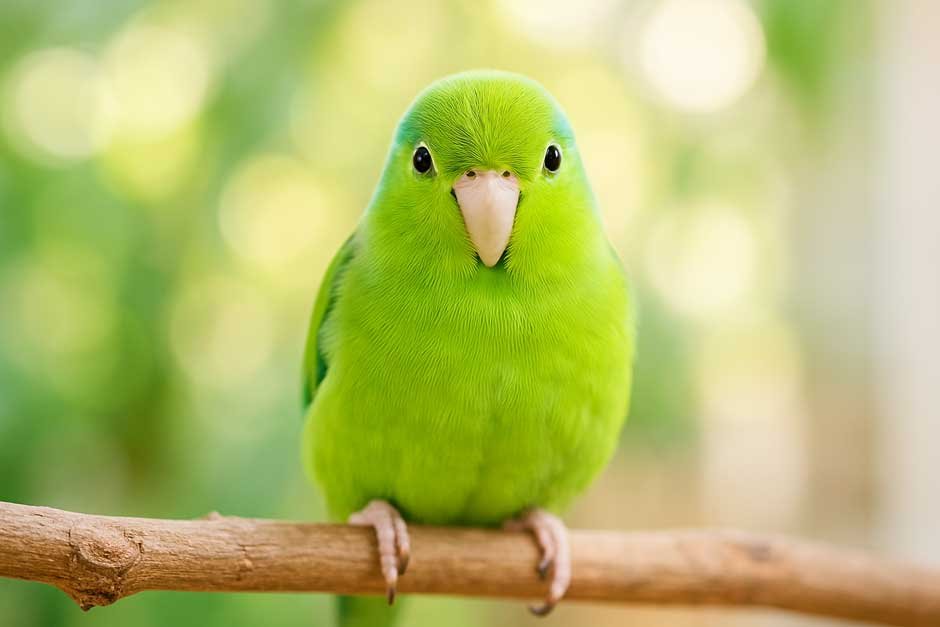
How can a bird no bigger than a human thumb possess the personality of a full-sized macaw? This is the delightful paradox of the parrotlet, often affectionately nicknamed the “pocket parrot.”
These tiny, vibrant birds are quickly becoming a favorite among avian enthusiasts, offering a huge spirit in a compact package. However, their small size can be deceptive; they require dedicated care and attention.
For anyone considering welcoming one of these spirited companions into their home, understanding their unique needs is the first step toward a long and happy relationship. This guide provides a comprehensive overview of everything a new owner needs to know about caring for a parrotlet.
Parrotlet Profile: Small Bird, Big Personality
Origin and Size
Parrotlets are native to Central and South America, with several species found across Mexico and the Amazon basin. They hold the distinction of being the smallest of the New World parrot species.
The most common pet species, the Pacific Parrotlet, typically measures between 8 to 14 centimeters (3 to 5.5 inches) in length and weighs a mere 18 to 28 grams. Their diminutive stature is a key part of their charm.
Intelligence and Temperament
Do not let their size fool you. Parrotlets are known for their fearless, curious, and highly intelligent nature. They are often described as having a “big bird” attitude, believing they are much larger than they actually are.
This bold temperament means they are highly engaging and can be taught simple tricks. However, it also means they can be prone to nipping and territorial behavior, especially around their cage.
Creating the Perfect Parrotlet Home
Cage Requirements and Placement
Despite their size, parrotlets are incredibly active and need ample space to climb and play. A minimum cage size of 18″ x 18″ x 18″ is recommended for a single bird.
The bar spacing is critical and should be no wider than 1/2 inch to prevent injury. The cage should be placed in a quiet corner of a busy room, away from drafts, direct sunlight, and kitchen fumes.
Essential Perches and Toys
A variety of perches is essential for foot health. Natural wood perches, such as manzanita or eucalyptus, are ideal. Cement or sand perches can also be included to help keep nails naturally worn down.
Parrotlets have surprisingly strong beaks and are avid chewers. Owners should select toys designed for cockatiels or conures, as toys made for smaller birds like budgies or finches may not withstand their powerful chewing.
A Balanced Diet for a Healthy Parrotlet
Pellets, Seeds, and Fresh Foods
A parrotlet’s diet should be a balanced mix to ensure optimal health. A good guideline is 25-45% high-quality pellets, 15-25% low-fat seed mix, and 30-50% fresh vegetables, grains, and fruits.
Fresh foods like dark leafy greens, carrots, apples, and berries provide essential vitamins and enrichment. These fresh items should be removed from the cage after a few hours to prevent spoilage.
Foods to Avoid
Certain common human foods are toxic to parrotlets and must be strictly avoided. These include chocolate, avocado, salt, and alcohol.
Owners must also be vigilant about providing clean, fresh water, changing it at least twice daily. Using a water bottle can help keep the water supply uncontaminated by droppings.
Understanding Parrotlet Behavior
The “Big Bird” Attitude and Territoriality
The parrotlet’s confidence can sometimes manifest as bossiness or aggression. They are highly territorial, particularly when it comes to their cage.
It is important to supervise them closely when they are out of their cage, as their fearlessness can lead them into dangerous situations, and they may even attempt to challenge larger pets.
Bonding and Handling
Parrotlets kept as single pets tend to bond very strongly with their human owners, making them excellent companions. Regular, gentle handling from a young age is crucial for bonding.
Consistent interaction helps to curb their nipping tendencies and reinforces a positive relationship. A well-socialized parrotlet will often enjoy cuddling and spending time on its owner’s shoulder.
Health and Safety Essentials
Common Hazards to Avoid
The home environment is full of potential dangers for a small bird. Owners must prevent access to ceiling fans, hot cooking oil, and any sources of lead or zinc.
Perhaps the most dangerous hazard is the fumes from overheated non-stick cookware (Teflon), which can be fatal to birds. Tobacco smoke and strong chemical smells are also major respiratory irritants.
Veterinary Care and Lifespan
With proper care, a parrotlet can live a long life, often reaching 15 to 20 years or more. This long lifespan means owning a parrotlet is a significant, long-term commitment.
Regular check-ups with an avian veterinarian are essential for maintaining their health. Owners should also ensure their parrotlet’s wings are clipped by a professional to prevent accidental escapes or injuries.
Frequently Asked Questions (FAQ)
Are Parrotlets good for first-time bird owners?
Parrotlets can be wonderful pets for first-time owners, but they require a dedicated approach. Their strong personalities and potential for nipping mean they are not as docile as a budgie, but their intelligence makes them highly rewarding companions for those willing to put in the time.
Can Parrotlets learn to talk?
Yes, parrotlets can learn to talk, but they are not known for being prolific talkers like African Greys or Amazons. They can typically learn a few words or short phrases, often in a quiet, gravelly voice that requires close attention to hear.
How long do Parrotlets live?
With excellent nutrition, a safe environment, and regular veterinary care, parrotlets have an impressive lifespan. It is common for them to live for 15 to 20 years, and some individuals have been known to live even longer.
