Introduction
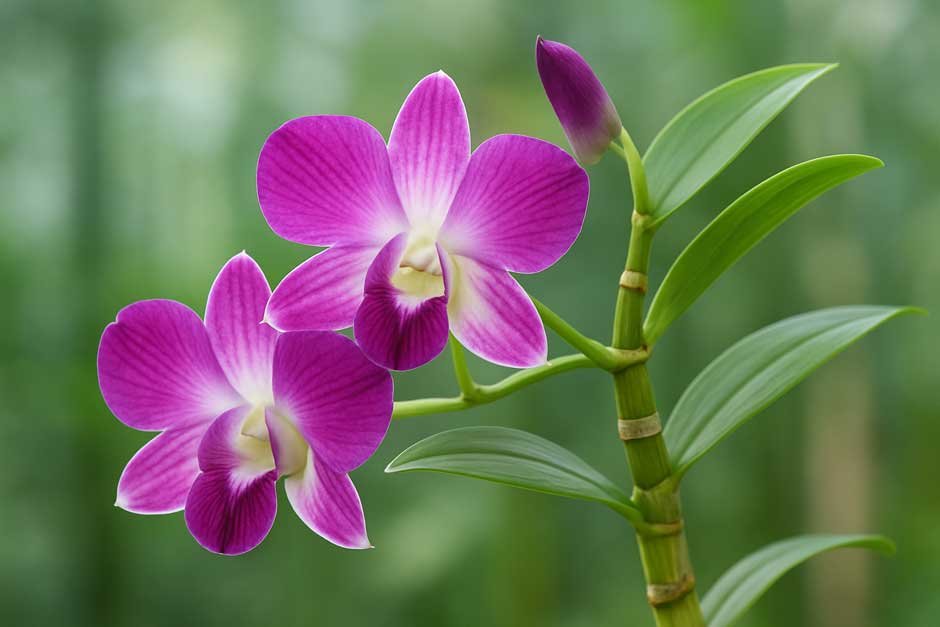
Is there any other plant genus that offers such a breathtaking array of colors, shapes, and sizes as the Dendrobium orchid? Often referred to as the cane orchid due to its distinctive growth habit, the Dendrobium is one of the largest and most rewarding groups of orchids a home grower can cultivate, explains Atlas Property Management solutions.
However, the sheer diversity within this genus can be intimidating for a beginner. Some varieties thrive in warmth, while others demand a cool winter rest to bloom.
Understanding the specific needs of your particular plant is the key to unlocking its full, majestic potential. This guide aims to demystify the care requirements for this stunning and varied group of epiphytes.
The Diverse World of Dendrobium
Genus Overview
The Dendrobium genus is truly vast, encompassing over 1,800 species native to a wide range of environments across Asia, Australia, and the Pacific Islands. This enormous geographical spread is precisely why their care requirements vary so dramatically.
The name “Dendrobium” itself comes from the Greek words dendron (tree) and bios (life), reflecting their natural tendency to grow on trees as epiphytes.
Key Types
For the average home grower, the genus can be broadly divided into two main categories, each with distinct needs. The first is the Phalaenopsis-type (or Den-Phals), which are warm-growing and often bloom from the top of the cane.
The second is the Nobile-type, which typically requires a cool, dry rest period in winter to stimulate flowering, rewarding the grower with spectacular blooms along the length of the cane.
Essential Care Requirements
Light: The Key to Blooms
Light is arguably the most critical factor for a blooming Dendrobium. These orchids require bright, indirect light to grow and flower successfully.
A south or east-facing window is often ideal, provided the plant is shielded from the harsh midday sun, which can scorch the leaves. Insufficient light is the single most common reason a Dendrobium fails to produce its spectacular flowers.
Temperature and Humidity
Most Dendrobiums thrive in warm conditions, with daytime temperatures ideally ranging between 70°F and 85°F. Crucially, they benefit from a slight temperature drop at night, often around 10°F cooler than the day.
Like most orchids, they appreciate moderate to high humidity. If your home air is dry, placing the pot on a humidity tray filled with pebbles and water can help create a more favorable microclimate.
Watering and Fertilizing
Watering Techniques
As epiphytes, Dendrobiums are accustomed to their roots drying out quickly. They should be grown in a well-draining orchid mix, such as bark or sphagnum moss.
The golden rule is to follow a “wet/dry” cycle: water thoroughly until it runs out of the drainage holes, then allow the potting medium to become nearly dry before watering again. Overwatering is a far greater threat than underwatering.
Feeding Schedule
During the active growing season (spring and summer), a consistent feeding schedule is vital. It is best to use a balanced orchid fertilizer, diluted to half or quarter strength, following the “weakly, weekly” principle.
Fertilizing should be reduced or stopped entirely during the winter rest period, especially for the Nobile-type varieties.
The Secret to Reblooming
The Winter Rest
For Nobile-type Dendrobiums, the secret to reblooming lies in mimicking their native winter climate. This means providing a cool, dry rest period, typically from late autumn to early spring.
During this time, the plant should be moved to a cooler location (around 50°F-60°F) and watering should be drastically reduced, with only enough water given to prevent the canes from shriveling. This stress initiates the development of flower buds.
Pseudobulbs and Canes
The thick, cane-like structures on a Dendrobium are called pseudobulbs. These are essential storage organs for water and nutrients.
It is important never to cut off these canes, even after they have finished flowering, as they continue to provide energy to the plant and may even produce new blooms or small plantlets (keikis) in the future. Only remove a cane if it is completely yellow, shriveled, and dead.
Troubleshooting Common Issues
Pests and Diseases
Dendrobiums are generally hardy, but they can occasionally suffer from common orchid pests such as scale, mealybugs, and spider mites. Regular inspection of the leaves and canes is the best defense.
The most common disease issue is fungal or bacterial rot, which is almost always caused by poor air circulation and overwatering. Ensuring good airflow around the plant is crucial for prevention.
Frequently Asked Questions (FAQ)
Why is my Dendrobium not blooming?
The two most common reasons for a lack of blooms are insufficient light and the failure to provide the necessary cool, dry winter rest period, particularly for Nobile-type varieties. Ensure your plant is receiving bright, indirect light and check the specific rest requirements for your variety.
Should I cut off the canes after the flowers drop?
No, you should not cut off the canes after the flowers drop. These pseudobulbs are vital for the plant’s survival, storing energy and water. They should only be removed if they are completely dead, which is indicated by them being shriveled and yellow or brown.
Are Dendrobium orchids difficult to grow?
Dendrobiums are considered moderately easy to grow, but they are not as forgiving as the popular Phalaenopsis orchid. Their difficulty lies in their diversity; a grower must accurately identify the type of Dendrobium they have (e.g., Phalaenopsis-type vs. Nobile-type) and adjust the care, especially the winter rest, accordingly.
