Introduction: What is Sodziu?
What if the key to a more mindful and sustainable life was not a new invention, but a concept rooted in centuries of tradition? This is the question posed by Sodziu, a term that is far more profound than its simple translation suggests.
For those unfamiliar with the Baltic region, Sodziu might appear to be just another place name. However, it is a concept deeply woven into the cultural fabric of Lithuania, representing a way of life.
It is a living embodiment of community, simplicity, and a profound connection to the natural world that surrounds it. Understanding Sodziu is to understand the heart of rural Lithuanian identity.
The Linguistic Roots of “Sodziu”
At its most basic, the Lithuanian word sodžius (which is often transliterated as Sodziu) refers to a village or a rural settlement. It is a noun that carries the weight of history and agrarian life.
The term’s etymology provides a deeper clue to its meaning, as it is thought to be derived from the word sodas, meaning “garden” or “cultivated land.” This origin immediately grounds the concept in agriculture and the nurturing of the earth.
Thus, a Sodziu is not merely a collection of houses, but a place where life is cultivated, much like a garden, in harmony with the seasons and the soil.
A Tapestry of Tradition: Sodziu’s Historical Significance
Historically, the Sodziu was the fundamental unit of social and economic life in Lithuania. These settlements were established not by chance, but through a shared necessity for mutual support and survival.
Life in a Sodziu was dictated by the rhythm of the agricultural calendar, from planting in the spring to harvesting in the autumn. Every member of the community played a vital role in this cycle.
This collective existence fostered a powerful sense of belonging and shared destiny, where the well-being of the individual was inseparable from the prosperity of the whole village.
Community and Agrarian Life
The traditional Sodziu was a model of self-sufficiency and communal living. Resources were often shared, and labor was a collective effort, particularly during peak farming seasons.
This agrarian lifestyle was not just about survival; it was a cultural ecosystem. Traditional crafts, folk songs, and seasonal festivals all sprung from and reinforced the close-knit nature of the Sodziu community.
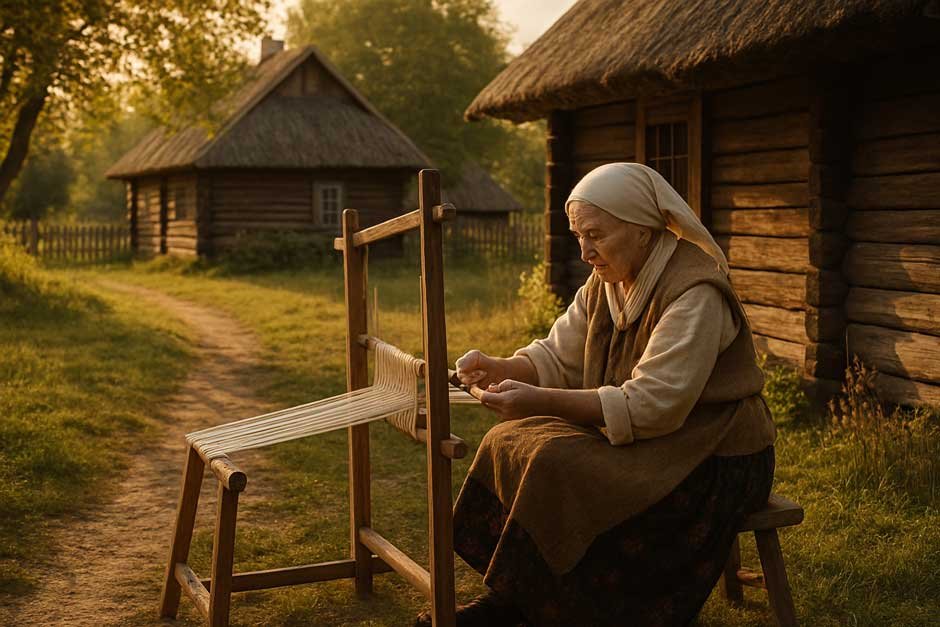
The architecture of the rural settlement, often featuring traditional wooden structures, reflected this simplicity and respect for local materials, blending seamlessly into the surrounding landscape.
The Sodziu Philosophy: Values for the Modern World
In an age defined by rapid urbanization and digital distraction, the underlying philosophy of Sodziu offers a compelling counter-narrative. It is a quiet call back to fundamental human values.
The concept champions a life lived deliberately, where consumption is minimized and the focus is placed on quality, durability, and genuine human interaction.
It suggests that true richness is found not in material accumulation, but in the strength of one’s community and the health of the environment.
Sustainability and Simplicity
The core tenets of the Sodziu philosophy align perfectly with modern movements toward sustainability and minimalism. The traditional way of life was inherently eco-friendly, driven by necessity rather than ideology.
Waste was minimal, resources were reused, and food was locally sourced and seasonal. This ingrained simplicity is what many contemporary individuals are now actively seeking to reintegrate into their own lives.
By embracing the spirit of Sodziu, people are finding a blueprint for reducing their environmental footprint and fostering a more contented, less complicated existence.
Sodziu in Contemporary Lithuanian Culture
While the physical structure of many rural settlements has changed, the spirit of Sodziu remains a powerful cultural touchstone for Lithuanians both at home and abroad. It represents a cherished link to the nation’s past.
It serves as a cultural anchor, reminding a modernizing society of its deep roots in the land and the enduring strength of its communal traditions.
The concept is frequently invoked in discussions about national identity, heritage preservation, and the future of rural Lithuania.
Influence on Art and Tourism
The picturesque quality and deep cultural resonance of the Sodziu concept have made it a significant source of inspiration for Lithuanian artists, writers, and musicians. It is a recurring motif in folk art and contemporary design.
Furthermore, the idea of the traditional village has fueled a growing interest in eco-tourism and rural retreats. Visitors are drawn to these areas to experience the tranquility and authenticity that the Sodziu lifestyle promises.
These initiatives not only preserve the physical heritage of the villages but also introduce the profound values of Sodziu to a global audience seeking meaningful travel experiences.
Frequently Asked Questions (FAQ) About Sodziu
What is the difference between Sodziu and Kaimas?
Both Sodziu (sodžius) and Kaimas are Lithuanian words that translate to “village.” However, Sodziu often carries a more traditional or dialectal connotation, sometimes referring to a smaller, older type of settlement.
Kaimas is the more common, standard term used today for a village or countryside. In a cultural context, Sodziu is more likely to be used to evoke the historical and philosophical ideals of rural life.
Is Sodziu a specific place I can visit?
While Sodziu is a general term for a type of settlement, there are many historical villages across Lithuania that embody the Sodziu spirit. Many of these have been preserved or revitalized as cultural heritage sites.
You can visit various ethnographic parks and rural museums throughout the country to experience the traditional architecture and lifestyle associated with the concept.
How does Sodziu relate to modern eco-living?
The traditional Sodziu lifestyle was inherently sustainable, relying on local resources, minimal waste, and a close relationship with nature. These principles—such as local sourcing, self-sufficiency, and community support—are directly applicable to modern eco-living and sustainable practices.
The concept provides a historical model for how to live a low-impact, high-quality life.
Is Sodziu a person’s name?
No, Sodziu is not a person’s name. It is a Lithuanian noun that refers to a village or rural settlement. Any confusion may arise from its use in titles or as a cultural concept.
It is strictly a term for a place and the associated way of life, not an individual’s identifier.
