What if one of the internet’s most mysterious plants isn’t what it seems? The term “klemroot” whispers through wellness forums and pops up in obscure corners of pop culture. It sparks curiosity. But it also creates a fog of conflicting information, leaving many to wonder what it truly is.
This digital ghost has taken on a life of its own. It appears in blog posts about ancient remedies and even in comedy sketches, yet no definitive botanical text lists it. The result is a puzzle, with no single, authoritative source to provide a clear answer. Is it a real plant, a misunderstanding, or something else entirely?
This guide finally sets the record straight. We will separate fact from fiction, tracing the term’s origins and revealing the real, historical plant that likely inspired the myth. Forget the confusion. Here, you will find a comprehensive, practical guide to a fascinating and useful plant, perfect for both curious minds and adventurous gardeners.
What is Klemroot? Unraveling the Online Mystery
Let’s clear this up from the start: you won’t find “klemroot” in any official botanical encyclopedia. The term is a neologism, a new word for a fictional root vegetable that has entered the lexicon through culture rather than science. It has no recognized scientific name or botanical classification. It is, in essence, a ghost in the garden—a name without a plant.
So where did it come from? The term’s recent surge in popularity can be traced to a specific cultural moment. It appeared in a segment from the popular web series Dimension 20, where it was used in a comedic context. This mention, amplified by fans and social media algorithms, launched the word into the public consciousness, where it took root as a seemingly real, albeit obscure, plant.
From Pop Culture to Plant Confusion: The Origin Story
The confusion is understandable. The name has a plausible, earthy ring to it, sounding similar to real plant names. It’s easily mistaken for terms like Clematis, a genus of flowering vines, or “clubroot,” a disease affecting brassica plants. This linguistic similarity, combined with the internet’s tendency to repeat information without verification, created the perfect conditions for a myth to grow.
The Real Plant Behind the Myth: A Botanical Deep-Dive
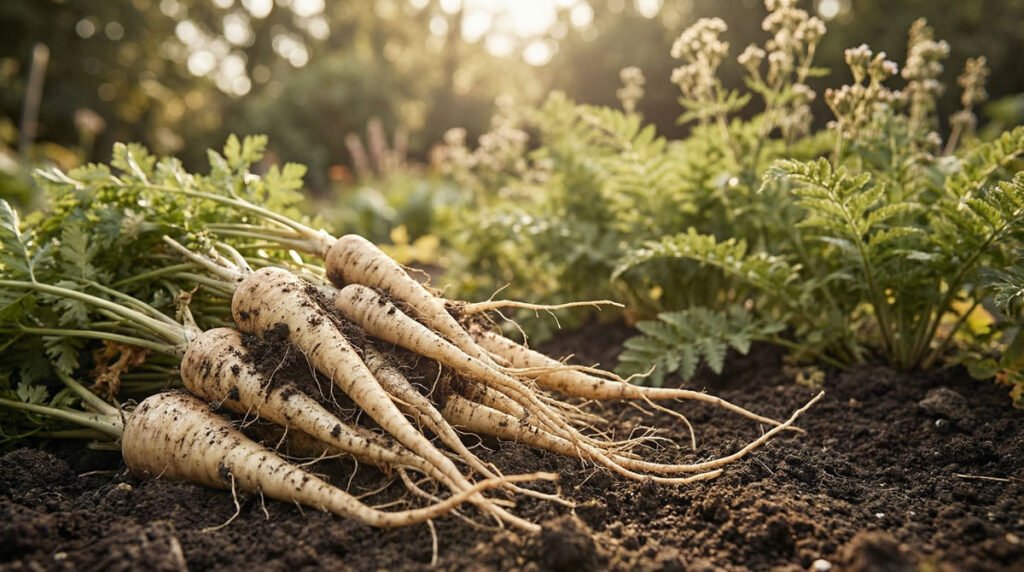
While “klemroot” is a fiction, the idea behind it—a unique, beneficial, and perhaps forgotten root vegetable—is very real. The description closely matches a historical heirloom vegetable that has been cultivated for centuries: Skirret (Sium sisarum). This once-popular root vegetable is a strong candidate for the plant people are searching for when they type “klemroot” into their browser.
Botanical Profile: Meet the Real Klemroot
Skirret belongs to the Apiaceae family, making it a relative of carrots, parsnips, and parsley. It is a hardy perennial that grows a cluster of long, slender, white roots. Unlike a single-taproot vegetable like a carrot, a mature skirret plant produces a bundle of sweet, fleshy roots that can be harvested year after year. Its leaves are dark green and pinnate, and it produces small, white flowers in umbels, characteristic of the carrot family.
A Rich History: From Ancient Feasts to Modern Gardens
Skirret is no modern invention. It has a long and fascinating history, believed to have been cultivated in Europe since Roman times. It was a popular vegetable during the Tudor and Stuart periods in England, valued for its sweetness before the widespread availability of sugar cane. Its name is thought to derive from a Germanic word for “sugar root.” However, with the rise of the potato in the 18th century, skirret, along with other traditional root crops, gradually fell out of fashion and into obscurity.
A Practical Grower’s Guide
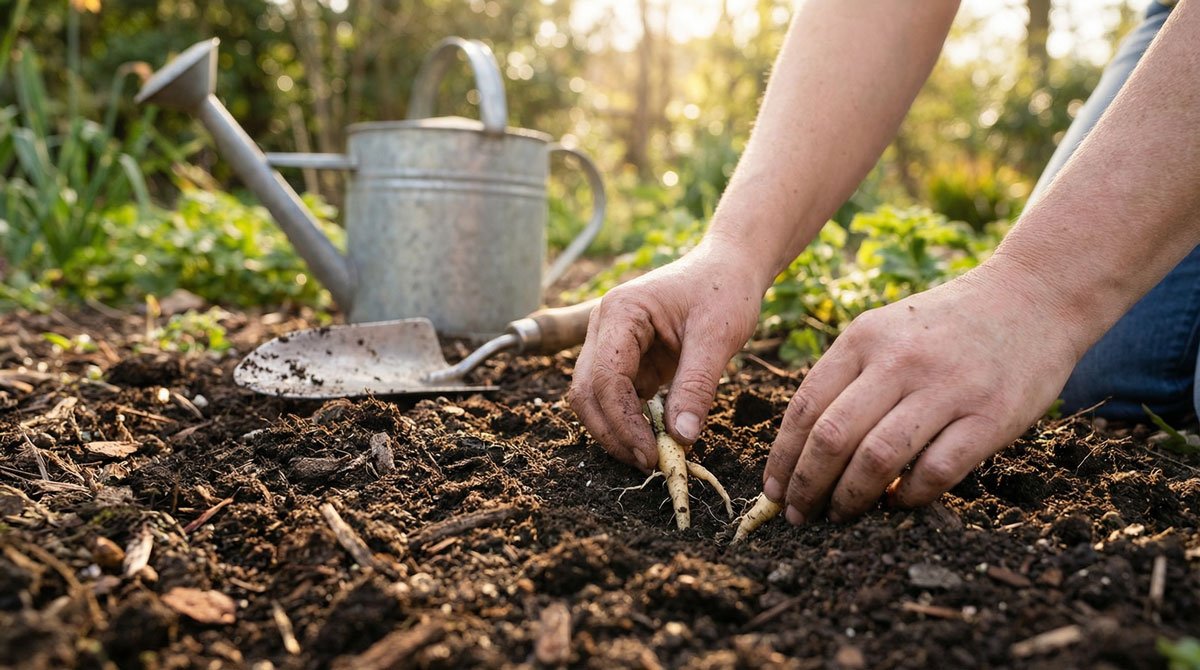
Now that we’ve identified skirret as our real-life klemroot, it’s time to get your hands dirty. This forgotten vegetable is surprisingly easy to grow. It rewards the patient gardener with a sweet, unique harvest. It is a resilient perennial that asks for little but gives back generously.
Getting Started: Climate, Soil, and Sourcing
Skirret is adaptable, thriving in USDA hardiness zones 4 through 9. It prefers a sunny spot but will tolerate partial shade, especially in hotter climates. The key to a successful crop is moist, well-drained soil. Rich, sandy loam is ideal, as it allows the roots to grow long and straight. You can find seeds or root offsets from specialty suppliers online, such as the Experimental Farm Network or other heirloom seed companies. This perennial vegetable is a rewarding addition to any garden.
Planting and Seasonal Care Calendar
Growing skirret is a year-round journey. You can start from seed in the spring or plant root divisions in the fall. Once established, it requires minimal care beyond watering and occasional weeding. The roots are best harvested after a frost, which enhances their sweetness.
| Characteristic | Skirret (Sium sisarum) | Parsnip | Salsify |
|---|---|---|---|
| Taste Profile | Sweet, slightly peppery, reminiscent of carrot and parsnip | Sweet, nutty, earthy | Mild, often compared to oyster or artichoke heart |
| Growth Habit | Perennial; grows a cluster of slender roots | Biennial; grows a single, large taproot | Biennial; grows a single, long taproot |
| Best Culinary Use | Roasted, mashed, or in stews | Roasted, pureed in soups | Boiled, fried, or in gratins |
Troubleshooting Common Growing Pains
Even hardy plants can face challenges. Skirret is generally low-maintenance, but a few issues can arise. Addressing them quickly ensures a healthy, productive plant. Here are solutions to common problems.
| Problem | Cause | Solution |
|---|---|---|
| Forked or Tangled Roots | Compacted or rocky soil. | Amend the soil with compost and sand to create a loose, friable texture before planting. |
| Woody Core in Roots | Harvesting too late or inconsistent watering. | Harvest younger roots for the best texture. Ensure consistent moisture throughout the growing season. |
| Low Yield | Insufficient nutrients or sunlight. | Enrich the soil with well-rotted manure or compost. Ensure the plant receives at least 6 hours of sunlight daily. |
From Garden to Table: Cooking with Klemroot

The true joy of growing skirret comes alive in the kitchen. Its unique flavor profile makes it a versatile ingredient, ready to absorb into both traditional and modern dishes. Once you taste it, you will understand why this root was so cherished in the past.
Flavor Profile: What Does It Actually Taste Like?
Skirret’s taste is a delightful surprise. It is distinctly sweet, more so than a carrot, with a flavor that sits somewhere between a parsnip and a sweet potato. It has a slight peppery undertone and a creamy, slightly fibrous texture when cooked. This sweetness made it a valuable commodity in medieval kitchens, often used in desserts as well as savory dishes.
Three Simple Recipes to Showcase Its Unique Taste
These recipes are designed to be simple, allowing the unique flavor of skirret to shine. They require minimal ingredients and are perfect for a first-time tasting.
1. Simple Roasted Skirret
Roasting brings out the root’s natural sweetness, caramelizing its sugars. This is perhaps the purest way to enjoy it.
- Clean a bundle of skirret roots thoroughly.
- Toss them in olive oil, salt, and a pinch of black pepper.
- Roast at 400°F (200°C) for 20-30 minutes, or until tender and slightly browned.
- Serve immediately as a side dish.
2. Creamy Skirret and Potato Mash
Pairing skirret with potatoes creates a complex, sweet, and savory mash that elevates a simple side dish.
- Boil equal parts peeled skirret roots and potatoes until tender.
- Drain and mash them together with a knob of butter and a splash of warm milk.
- Season with salt, pepper, and a grating of fresh nutmeg.
3. Skirret and Parsnip Soup
This warming soup is perfect for a cool evening, combining the sweetness of two classic root vegetables.
- Sauté one chopped onion in a pot until soft.
- Add one part chopped skirret and one part chopped parsnip, and cook for 5 minutes.
- Cover with vegetable broth, bring to a boil, then simmer until the roots are very tender.
- Blend until smooth, adding a touch of cream if desired. Season to taste.
Frequently Asked Questions About Klemroot
- 1. What exactly is klemroot?
- Klemroot is not a real, recognized plant. It is a term that gained popularity online, largely due to a comedic reference in the web series Dimension 20. The name is often confused with real plants like Clematis or the disease “clubroot,” but it has no scientific classification. This article identifies Skirret (Sium sisarum) as the likely real-world plant that people are searching for.
- 2. What are the proven health benefits of the real klemroot plant?
- The real plant, skirret, is a nutritious root vegetable. It is a good source of dietary fiber and carbohydrates. Historically, it was valued for its sweetness and energy content. While not a modern “superfood,” it is a wholesome, natural vegetable that contributes to a balanced diet, similar to carrots and parsnips.
- 3. How do you grow it in a home garden?
- Skirret is a hardy perennial that grows well in USDA zones 4-9. It needs moist, well-drained soil and prefers full sun to partial shade. You can grow it from seeds planted in the spring or from root divisions in the fall. Once established, it requires minimal care apart from regular watering.
- 4. What does it taste like and how can I cook with it?
- Skirret has a unique sweet flavor, often described as a cross between a parsnip and a carrot, with a hint of pepper. It has a creamy texture when cooked. It is versatile in the kitchen and can be roasted, boiled and mashed, or used in soups and stews. Its natural sweetness also lends itself to historical dessert recipes.
- 5. Is it safe to eat? Are there side effects?
- Yes, skirret (Sium sisarum) is perfectly safe to eat when sourced from a reputable supplier and grown in clean soil. It has been consumed in Europe for centuries. There are no known common side effects, other than those associated with any food allergy. As with any new food, it is wise to consume a small amount first.
- 6. Where can I buy klemroot seeds or plants?
- You can buy skirret seeds and sometimes root offsets from online heirloom seed companies and specialty nurseries. Look for suppliers like the Experimental Farm Network, or other companies that specialize in rare and historical vegetables. You will not find it under the name “klemroot.”
- 7. How long does it take to grow and harvest?
- If grown from seed, skirret can typically be harvested in the fall of its first year, about 6-8 months after planting. However, the yield will be much better in its second year. As a perennial, you can continue to harvest from the same plant for several years, and the flavor is often considered best after the first frost.
Conclusion: From Klemroot Myth to Garden Reality
The journey of klemroot is a fascinating modern fable. It shows how a fictional idea can capture our collective imagination, sending us on a search for something real. We started by chasing a digital ghost, a name without a plant, born from pop culture and amplified by the internet. We ended by unearthing a genuine treasure: skirret, a historical vegetable with a sweet story and a place in the modern garden.
Now, the power is in your hands. Move beyond the myth and embrace the reality. Try growing this resilient perennial in your own garden, or seek it out from a specialty grower. Cook with it, taste its unique sweetness, and become part of the movement to bring this forgotten vegetable back to the table. Share your experience, your successes, and your recipes. Let’s give this real root the recognition it deserves.
