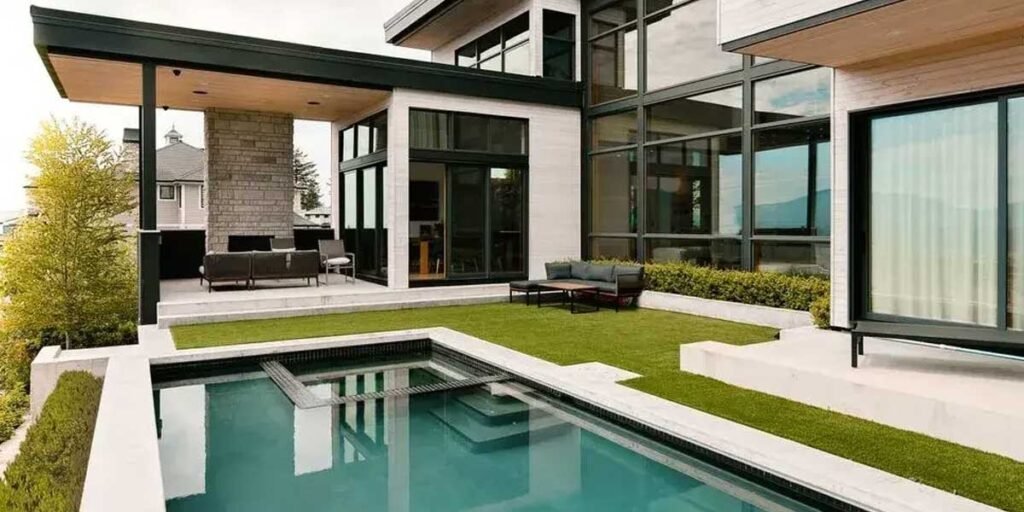
Modern residential architecture is continually evolving, driven by a desire for sustainability, efficiency, and a deeper connection to nature. Homeowners today seek designs that not only offer aesthetic appeal but also enhance their quality of life, reduce environmental impact, and adapt to changing needs. This article explores some of the most innovative trends shaping contemporary home design, highlighting how architects are integrating cutting-edge technologies and timeless principles to create the homes of tomorrow.
Sustainable and Net-Zero Energy Homes
The push for environmental responsibility is perhaps the most significant driver of innovation in residential architecture. Sustainable design focuses on minimizing a home’s ecological footprint throughout its lifecycle, from construction to demolition. Net-zero energy homes take this a step further, producing as much energy as they consume annually, often through a combination of advanced insulation, energy-efficient appliances, and renewable energy sources, notes Cardinal Point Property Management professionals.
•Passive Design Principles: Architects are increasingly incorporating passive design strategies, which leverage natural elements to regulate indoor temperatures. This includes optimizing window placement for natural light and ventilation, using thermal mass to absorb and release heat, and designing overhangs to shade windows in summer.
•Renewable Energy Integration: Solar panels are becoming a standard feature, often seamlessly integrated into rooflines or as part of building-integrated photovoltaics (BIPV). Geothermal heating and cooling systems are also gaining traction for their efficiency.
•Eco-Friendly Materials: The selection of building materials is crucial. Trends include using recycled or reclaimed materials, sustainably sourced timber, low-VOC (volatile organic compound) paints, and innovative insulation like cellulose or sheep’s wool.
•Rainwater Harvesting and Greywater Systems: These systems reduce water consumption by collecting rainwater for irrigation or toilet flushing, and by treating and reusing greywater (from sinks and showers) for non-potable uses.
Biophilic Design: Connecting with Nature
Biophilic design integrates natural elements and processes into the built environment, recognizing the innate human need to connect with nature. This trend aims to improve occupant well-being, productivity, and health.
•Abundant Natural Light: Large windows, skylights, and glass walls are used to flood interiors with natural light, reducing the need for artificial lighting and offering expansive views of the outdoors.
•Indoor-Outdoor Flow: Designs often blur the lines between indoor and outdoor spaces through features like sliding glass doors, expansive patios, and outdoor living rooms. Courtyards and atriums bring nature directly into the home.
•Natural Materials and Textures: Incorporating wood, stone, and natural fabrics, along with elements like living walls or indoor gardens, helps create a calming and restorative atmosphere.
•Water Features: Small indoor fountains or strategically placed water features can add a sensory dimension, contributing to a tranquil environment.
Flexible and Adaptable Spaces
Modern life demands flexibility. Residential architecture is responding with designs that can easily adapt to changing family needs, work-from-home trends, and evolving lifestyles.
•Open-Concept Layouts with Defined Zones: While open-plan living remains popular, there’s a growing emphasis on creating distinct zones within these spaces using subtle architectural elements, furniture arrangement, or movable partitions.
•Multi-Functional Rooms: Rooms are designed to serve multiple purposes, such as a guest bedroom that doubles as a home office or a dining area that transforms into a creative studio.
•Convertible Elements: Features like sliding walls, hidden beds, and modular furniture allow spaces to be reconfigured quickly and efficiently.
•Accessory Dwelling Units (ADUs): The rise of ADUs, whether detached backyard cottages or converted garages, provides flexible living options for extended family, rental income, or dedicated workspaces.
Smart Home Integration and Technology
Technology continues to be seamlessly woven into the fabric of residential design, enhancing convenience, security, and energy management.
•Integrated Automation Systems: Homes are being built with centralized systems that control lighting, climate, security, entertainment, and appliances, often manageable via smartphone or voice commands.
•Advanced Security: Smart locks, video doorbells, and integrated surveillance systems offer enhanced peace of mind.
•Energy Management: Smart thermostats, automated blinds, and energy monitoring systems help optimize energy consumption and reduce utility bills. These technologies provide real-time insights that allow homeowners to adjust usage patterns for greater efficiency. This becomes even more beneficial when evaluating irving electricity rates, as informed energy management can lead to noticeable monthly savings.
•Connectivity Infrastructure: Robust wiring and network infrastructure are essential to support the growing number of connected devices, ensuring reliable performance.
Prefabrication and Modular Construction
To address challenges like construction waste, labor shortages, and the need for faster build times, prefabrication and modular construction are gaining traction.
•Efficiency and Quality Control: Components or entire modules are built in a controlled factory environment, leading to higher quality, reduced waste, and faster on-site assembly.
•Design Flexibility: Modern prefabrication offers significant design flexibility, moving beyond the
box-like structures of early modular homes to sophisticated, custom designs.
•Reduced Environmental Impact: Factory production minimizes waste and allows for precise material usage, contributing to more sustainable construction practices.
Conclusion
Modern residential architecture is a dynamic field, constantly pushing the boundaries of design, technology, and sustainability. From homes that produce their own energy to spaces that seamlessly blend with nature and adapt to evolving lifestyles, the trends discussed above reflect a collective desire for homes that are not only beautiful but also intelligent, efficient, and deeply connected to their inhabitants and the environment. As these innovations continue to mature, they promise to redefine what it means to live well in the 21st century.
