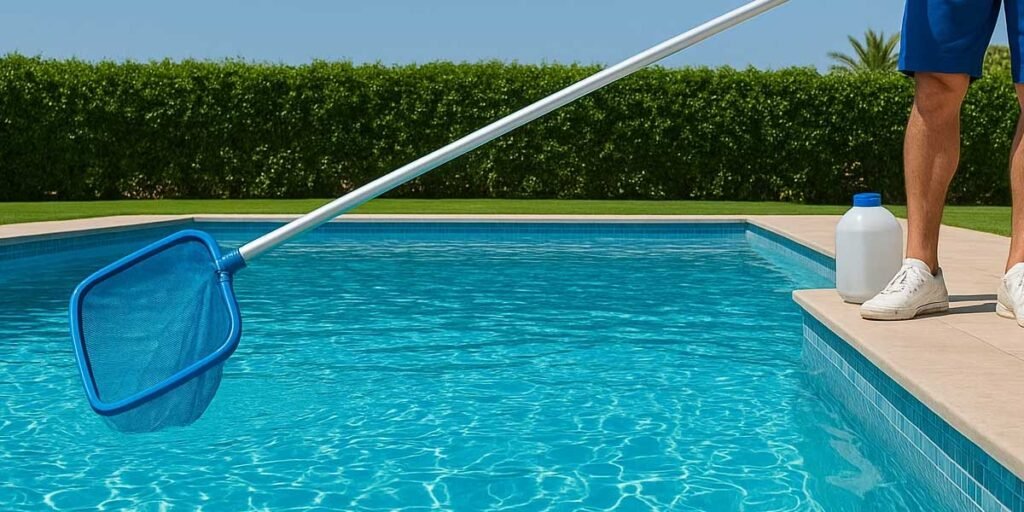
Owning a residential swimming pool offers a refreshing escape and a focal point for family fun and relaxation. However, maintaining a pool in pristine condition requires consistent effort and a systematic approach. Proper pool maintenance ensures the water remains clean, safe, and inviting, while also protecting your investment by extending the lifespan of pool equipment and surfaces. This guide provides essential tips for homeowners to keep their swimming pools sparkling and healthy.
1. Mastering Water Chemistry
Maintaining the correct chemical balance in your pool water is paramount for both swimmer safety and pool longevity, shares Eastern Idaho Property Management solutions. Regular testing and adjustment are crucial.
•pH Level: The pH level measures the acidity or alkalinity of your water. The ideal range is between 7.4 and 7.6. Imbalanced pH can cause skin and eye irritation, reduce sanitizer effectiveness, and lead to corrosion or scaling.
•Chlorine Levels: Chlorine is the primary sanitizer, killing bacteria and algae. Maintain free chlorine levels between 1 to 3 parts per million (ppm). Regularly shock your pool to break down contaminants and prevent chloramine buildup.
•Alkalinity: Total alkalinity acts as a buffer for pH, preventing drastic fluctuations. The ideal range is 80 to 120 ppm.
•Calcium Hardness: This measures the amount of dissolved calcium in your water. Too low can cause corrosion, while too high can lead to scaling. The recommended range is 200 to 400 ppm.
•Cyanuric Acid (CYA): Also known as conditioner or stabilizer, CYA protects chlorine from degradation by UV rays. Maintain levels between 30 to 50 ppm.
2. Regular Cleaning and Debris Removal
Physical cleaning is vital to prevent debris buildup and maintain water clarity.
•Skimming: Daily skimming of the pool surface removes leaves, insects, and other floating debris before they sink and decompose, impacting water chemistry.
•Brushing: Weekly brushing of pool walls and floor helps dislodge algae and dirt, making it easier for the filtration system to remove them.
•Vacuuming: Vacuum your pool at least once a week, or more frequently if there’s heavy debris. Automatic pool cleaners can automate this task.
•Empty Skimmer and Pump Baskets: Regularly empty these baskets to ensure optimal water flow and prevent strain on your pump.
3. Filtration System Maintenance
Your pool’s filtration system is its heart, responsible for removing suspended particles from the water.
•Run Time: Operate your pump and filter for at least 8-12 hours a day, or long enough to turn over the entire volume of your pool water at least once.
•Backwashing/Cleaning Filters: Sand and D.E. filters require regular backwashing to remove trapped debris. Cartridge filters need to be removed and hosed down. Follow manufacturer guidelines for frequency.
•Inspect Equipment: Periodically check your pump, filter, and heater for any signs of leaks, unusual noises, or wear and tear. Address issues promptly to prevent costly repairs.
4. Water Level Management
Maintain your pool’s water level at the midpoint of the skimmer opening. Too low, and the pump can draw air, potentially damaging it. Too high, and the skimmer won’t function effectively.
5. Seasonal Pool Care
•Opening the Pool: In spring, carefully remove the winter cover, clean the pool, balance chemicals, and inspect all equipment before resuming regular use.
•Closing the Pool: In fall, properly clean, balance, and winterize your pool to protect it from freezing temperatures and ensure an easy opening next season. This typically involves lowering the water level, adding winterizing chemicals, and covering the pool.
Conclusion
Consistent and diligent pool maintenance is the key to enjoying a clean, safe, and beautiful swimming pool year after year. By adhering to a regular schedule of water chemistry management, physical cleaning, and filtration system upkeep, homeowners can ensure their residential oasis remains a source of joy and relaxation. While it requires effort, the rewards of a perfectly maintained pool are well worth the commitment.
