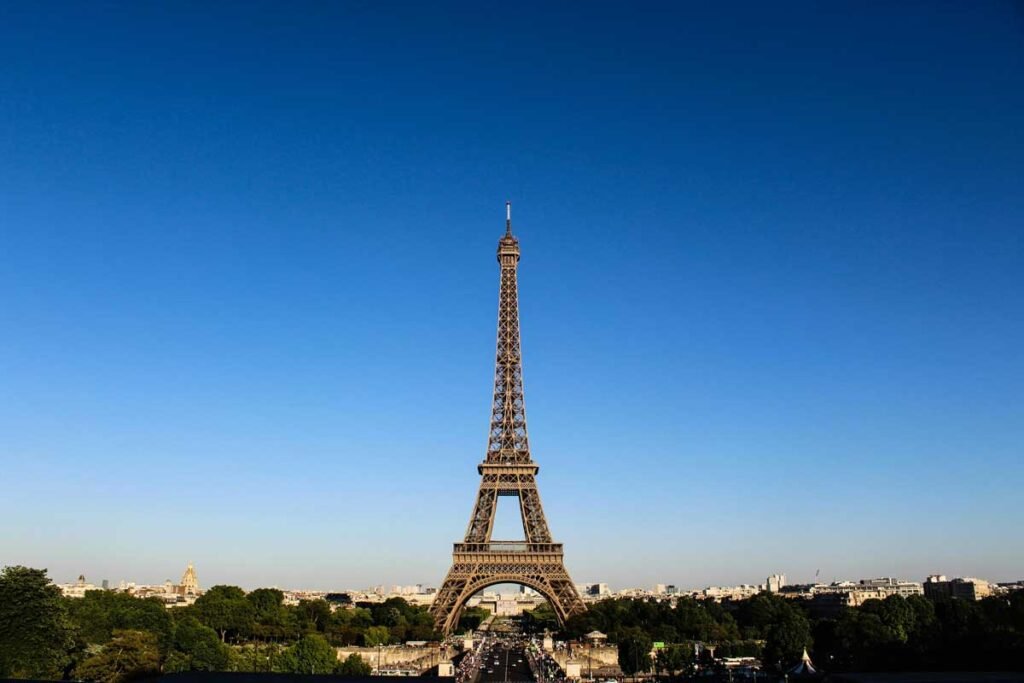
Europe remains one of the most sought-after regions for high end travel. Its mix of historic cities, established hospitality, and efficient transport makes it well suited to well-planned journeys. For luxury travelers, the appeal lies in combining cultural depth with comfort and reliable service.
Well-structured itineraries allow travelers to move between destinations with ease, while maintaining a consistent standard throughout the trip.
Why Europe Continues to Lead Luxury Travel
One of the main advantages of traveling in Europe is accessibility. Major cities are well connected by short flights and high-speed rail, making it possible to visit multiple destinations within a single journey.
Countries such as Italy, France, and Spain offer a strong combination of architecture, food, and cultural landmarks. Cities like Rome, Paris, and Barcelona remain popular due to the concentration of well-known sites and the quality of accommodation available.
For travelers looking beyond the major capitals, regions such as Tuscany, Provence, and Andalusia provide a slower pace while still maintaining high standards of service.
Structured Travel with Local Expertise
Luxury travel in Europe often involves visiting several locations in one trip. Managing transport, timing, and access across different regions requires careful planning.
This is where VIP travel tours play a key role. Each stage of the journey is arranged in advance, including transfers, accommodation, and guided visits. Travelers arrive with a clear plan, allowing them to focus on the experience rather than logistics.
Local guides are central to this approach. They provide context, manage entry to key sites, and help avoid common issues such as long queues or unclear routes. This is particularly valuable in cities with high visitor numbers.
Accommodation That Matches the Journey
Luxury travelers expect consistency across their trip. In Europe, this often means a mix of well-located city hotels and smaller properties in regional areas.
In cities, hotels are chosen for their proximity to major attractions and ease of access. In the countryside, properties are selected for comfort and setting, while still providing reliable service.
This balance allows travelers to experience different parts of a country without compromising on comfort.
Popular Routes Across Europe
Many luxury itineraries follow routes that connect major cities with regional highlights. In Italy, this might include Rome, Florence, and Venice, combined with time in the countryside.
In France, Paris is often paired with regions such as Champagne or Provence. Spain offers a mix of Madrid, Barcelona, and southern cities like Seville and Granada.
These routes are designed to provide variety while keeping travel time manageable. With the right planning, moving between destinations becomes part of the experience rather than a disruption.
Privacy and Flexibility While Traveling
Privacy has become more important for many travelers. Private drivers, dedicated guides, and tailored daily schedules allow for a more controlled experience.
This also supports flexibility. While the overall itinerary is planned in advance, there is room to adjust timing or spend more time in specific locations. Travelers can move at a pace that suits them without being tied to group schedules.
A Practical Approach to Exploring Europe
Luxury travel in Europe is defined by preparation, access, and consistency. Travelers are not looking to manage bookings or solve problems during their trip. They expect a clear plan, reliable service, and knowledgeable support throughout.
With strong infrastructure and a wide range of destinations, Europe continues to offer one of the most practical and rewarding settings for high end travel. Careful planning and local expertise make it possible to experience the region in a way that feels organized, comfortable, and well-paced.
