
The dream of owning a home can feel distant when you’re on a tight budget. Many believe that a high income is a prerequisite for a mortgage, but that’s a common misconception. The reality is that with the right strategy and knowledge, learning how to buy a house with low income is not just possible—it’s an achievable goal for many. This guide will walk you through the practical steps and programs designed to help you turn the key in the door of your own home, even with financial constraints.
Understanding Your Financial Landscape
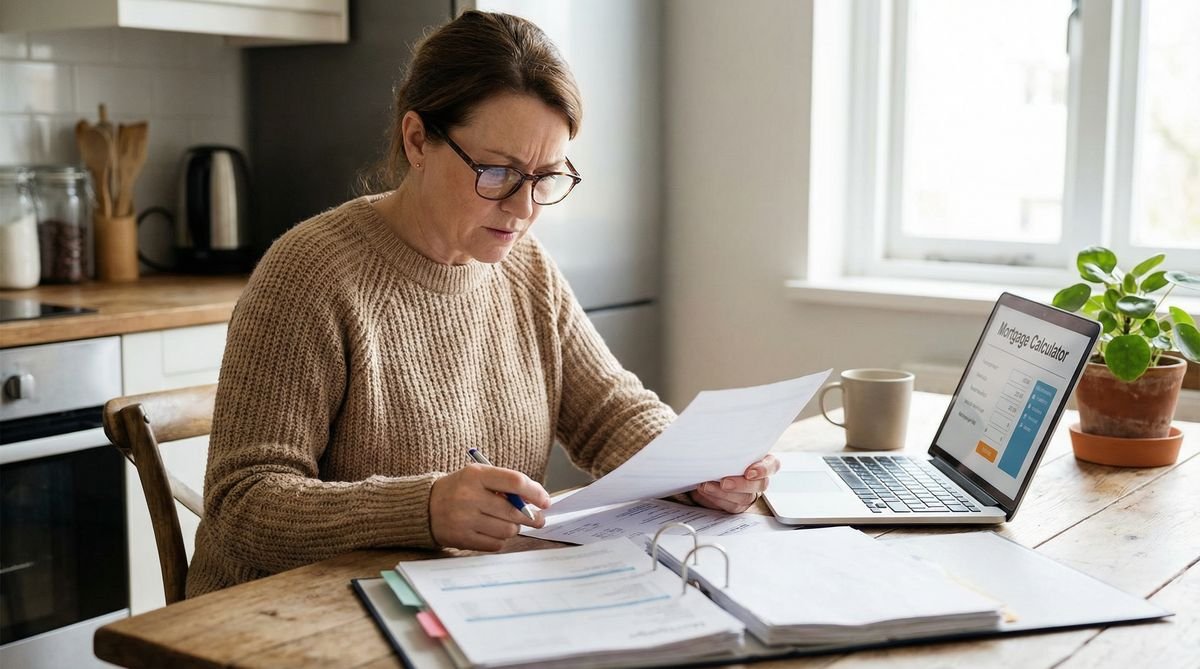
Before you start browsing home listings, the first step is a thorough financial self-assessment. Exceptional Property Management experts notes that lenders look at more than just your income; they evaluate your entire financial profile. Understanding these components will empower you to present the strongest possible application.
Key Financial Metrics for Lenders
- Credit Score: This three-digit number is a snapshot of your creditworthiness. A higher score often leads to better loan terms.
- Debt-to-Income (DTI) Ratio: This is the percentage of your gross monthly income that goes toward paying your monthly debt payments. Lenders use it to gauge your ability to manage monthly payments.
- Savings: This includes your down payment and closing costs, as well as cash reserves for future home maintenance.
Improving these metrics, even slightly, can significantly boost your homebuying prospects. Focus on paying bills on time, reducing outstanding debt, and building a consistent savings habit.
Government-Backed Loan Programs: Your Best Allies
Several government-backed loan programs are specifically designed to assist low-income homebuyers. These loans are insured by the federal government, which reduces the risk for lenders and often results in more favorable terms for borrowers.
| Loan Program | Minimum Credit Score | Minimum Down Payment | Best For |
|---|---|---|---|
| FHA Loans | 580+ (or 500-579 with 10% down) | 3.5% | Buyers with lower credit scores and limited down payment funds. |
| VA Loans | Varies by lender (often 620+) | 0% | Eligible veterans, active-duty service members, and surviving spouses. |
| USDA Loans | Varies by lender (often 640+) | 0% | Buyers in eligible rural and some suburban areas. |
Down Payment Assistance (DPA) Programs
One of the biggest hurdles for many is the down payment. Down Payment Assistance (DPA) programs offer grants or low-interest loans to help cover this cost. These programs are often administered at the state or local level, so it’s worth researching what’s available in your area. Combining a DPA with a government-backed loan can dramatically reduce your upfront out-of-pocket expenses.
Myth-Busting: Common Misconceptions About Low-Income Homebuying
Let’s debunk some common myths that discourage potential homebuyers. Believing these falsehoods can prevent you from exploring viable paths to homeownership.
- Myth #1: You need a 20% down payment. As shown above, many programs require as little as 0-3.5% down.
- Myth #2: A low income automatically disqualifies you. Lenders consider your DTI ratio and overall financial health, not just your income in isolation. A steady, reliable income, even if it’s low, can be viewed favorably.
- Myth #3: You can’t get a loan with a less-than-perfect credit score. While a higher score is better, FHA loans and other programs are specifically designed for those with lower credit scores.
The Path Forward: A Step-by-Step Decision Framework
Feeling overwhelmed? Here’s a simplified framework to guide your journey:
- Financial Health Check: Pull your credit report, calculate your DTI, and assess your savings. Identify areas for improvement.
- Research Loan Options: Explore FHA, VA, and USDA loans to see which you might qualify for. Don’t forget to look for local DPA programs.
- Get Pre-Approved: Talk to multiple mortgage lenders to get pre-approved for a loan. This will give you a clear budget to work with.
- Find a Knowledgeable Real Estate Agent: Partner with an agent who has experience working with first-time homebuyers and government loan programs.
- House Hunt and Make an Offer: With your budget in hand, you can confidently search for homes and make a competitive offer.
Conclusion: Your Dream is Within Reach
Learning how to buy a house with low income is about leveraging the right resources and preparing yourself financially. It requires diligence and a proactive approach, but the path to homeownership is more accessible than many people realize. By understanding your financial situation, exploring government-backed loan programs, and seeking expert guidance, you can overcome the challenges and achieve your dream of owning a home.
Frequently Asked Questions (FAQ)
What is the lowest income to buy a house?
There is no specific minimum income to buy a house. Lenders are more concerned with your debt-to-income ratio, credit history, and ability to make a down payment. A stable, lower income can be sufficient if your debts are low.
Can I buy a house if I have no savings?
It is challenging but not impossible. You can look for 100% financing options like VA or USDA loans if you are eligible. Additionally, you can seek down payment assistance programs that may cover your entire down payment and even some closing costs.
How can I improve my chances of getting a mortgage with a low income?
Focus on improving your credit score, paying down existing debt to lower your DTI ratio, and saving as much as you can. Also, explore government-backed loan programs and local down payment assistance, as they are designed for buyers in your situation.
