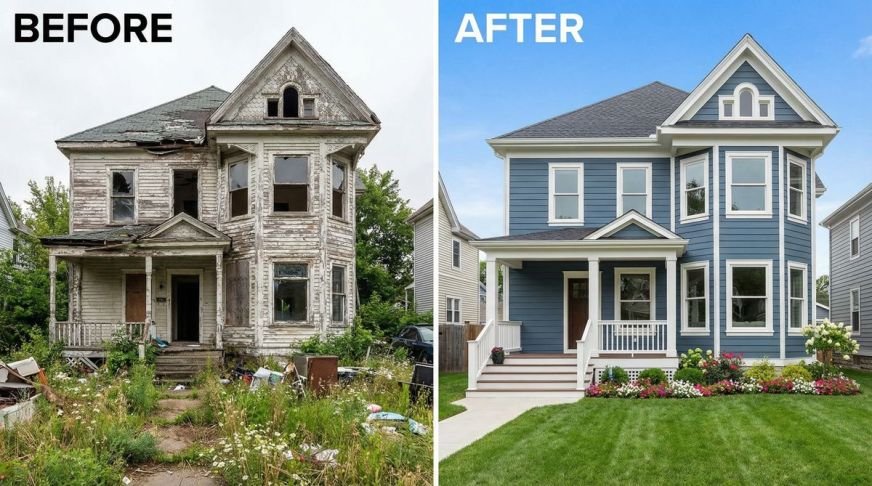
Buying a fixer upper can be an enticing prospect for many aspiring homeowners and investors. The allure often lies in the potential for a lower purchase price and the opportunity to customize a home to one’s exact specifications. However, the journey of transforming a dated property into a dream home is not without its challenges. This comprehensive guide explores the pros and cons of buying a fixer upper, offering a balanced perspective to help you make an informed decision.
From budget considerations to unexpected repairs, understanding both the advantages and disadvantages is crucial before diving into the world of renovation. We’ll delve into the financial implications, the creative freedom it offers, and the potential headaches that can arise.
The Advantages: Why a Fixer-Upper Might Be Your Best Bet
According to starting a rental investment in Pocatello, opting for a fixer-upper can unlock several significant benefits, particularly for those with a vision and a willingness to invest time and effort. These properties often represent a gateway into desirable neighborhoods that might otherwise be out of reach.
Cost Savings and Equity Growth Potential
One of the most compelling reasons to consider a fixer-upper is the initial cost savings. These homes are typically priced below market value due to their condition, making them more accessible. This lower entry point can be a significant advantage, especially in competitive housing markets.
Furthermore, investing in renovations can lead to substantial equity growth. As you improve the property, its value increases, potentially offering a strong return on investment when it comes time to sell. This “sweat equity” can be a powerful wealth-building tool.
Creative Freedom and Customization
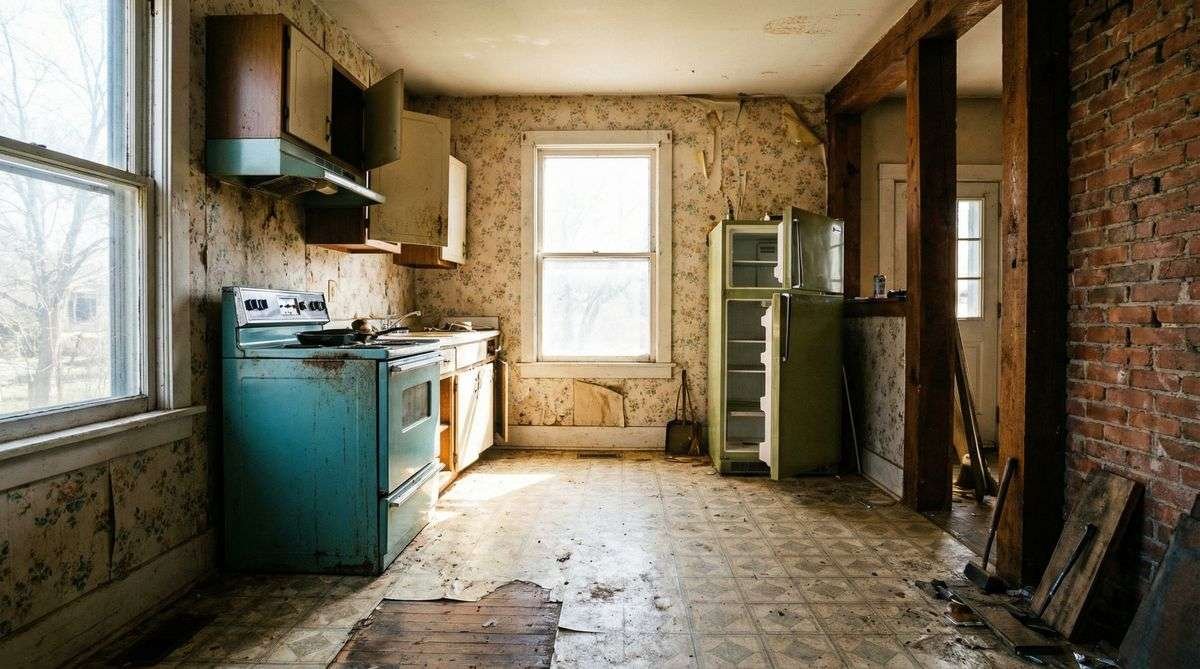
A fixer-upper is a blank canvas for your design aspirations. Instead of settling for someone else’s style, you have the opportunity to create a home that perfectly reflects your taste and needs. From floor plans to finishes, every detail can be tailored to your preferences.
This level of customization is often impossible with move-in ready homes, which typically come with pre-existing designs and layouts. For those who enjoy interior design and home improvement projects, a fixer-upper offers unparalleled creative control.
Access to Desirable Locations
In many sought-after neighborhoods, perfectly renovated homes come with a premium price tag. Fixer-uppers can provide an affordable entry point into these areas. This means you can enjoy the benefits of a great location – good schools, amenities, and community – without the prohibitive cost of a turn-key property.
The long-term value of location often outweighs the initial inconvenience of renovations. A well-located, renovated home will likely appreciate more steadily than a similar property in a less desirable area.
The Disadvantages: Potential Pitfalls of a Fixer-Upper
While the benefits are attractive, the challenges associated with buying a fixer-upper can be considerable. It’s essential to approach these properties with a realistic understanding of the potential downsides.
Unforeseen Costs and Budget Overruns
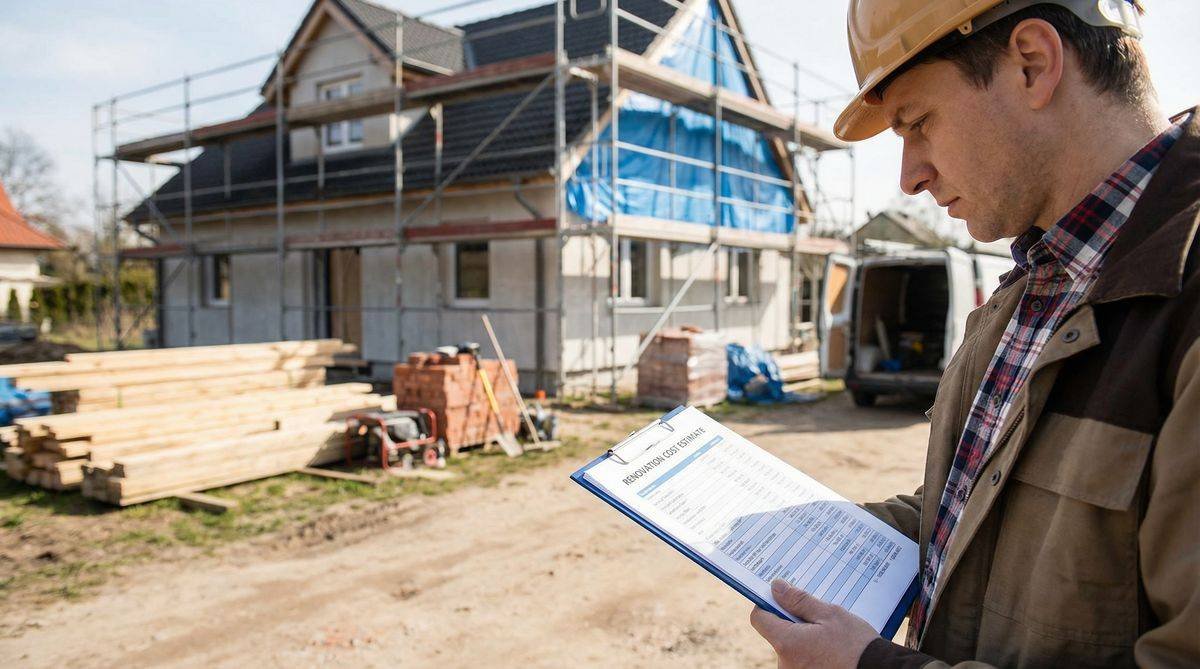
The most common pitfall of a fixer-upper is the tendency for renovation costs to spiral out of control. Hidden issues, such as plumbing problems, electrical faults, or structural damage, can emerge once work begins. These unexpected expenses can quickly deplete a budget and extend project timelines.
It’s crucial to have a contingency fund – typically 10-20% of the estimated renovation cost – to cover these surprises. Underestimating the scope and expense of repairs is a frequent mistake for first-time fixer-upper buyers.
Time Commitment and Stress
Renovating a home is a significant time commitment. Managing contractors, making design decisions, and overseeing the project can be a full-time job. This can be particularly stressful for those who are also working or have family responsibilities.
The disruption to daily life, living in a construction zone, and the emotional toll of unexpected setbacks can test even the most patient individuals. It’s important to assess your personal capacity for managing such a demanding project.
Financing Challenges
Securing financing for a fixer-upper can be more complex than for a move-in ready home. Traditional mortgages may not cover the cost of renovations, requiring buyers to explore options like FHA 203(k) loans or construction loans. These often come with stricter requirements and more paperwork.
Lenders may also be hesitant to approve loans for properties in very poor condition, making it harder to get the necessary capital to start the project.
Fixer-Upper Decision Framework: Is It Right for You?
Deciding whether to buy a fixer-upper involves weighing your personal circumstances, financial readiness, and tolerance for risk. This framework can help you assess if this path aligns with your goals.
| Factor | Consideration for Fixer-Upper | Consideration for Move-in Ready |
|---|---|---|
| Budget Flexibility | High tolerance for unexpected costs; significant contingency fund. | Prefers predictable, upfront costs; limited renovation budget. |
| Time Availability | Ample time to manage project, research, and oversee work. | Limited time; prefers immediate occupancy and minimal effort. |
| DIY Skills/Interest | Enjoys hands-on projects; willing to learn and contribute labor. | Prefers professional services; little interest in DIY. |
| Design Vision | Strong desire for custom design; clear vision for transformation. | Content with existing design; values convenience over customization. |
| Risk Tolerance | Comfortable with potential delays and unforeseen issues. | Prefers certainty and minimal surprises. |
Myth Busting: Common Misconceptions About Fixer-Uppers
The world of fixer-uppers is often romanticized, leading to several common misconceptions. Let’s address a few.
Myth: All Fixer-Uppers Are a Bargain
While many fixer-uppers are priced lower, not all represent a true bargain. Some properties may have such extensive damage that the cost of repairs far outweighs the potential increase in value. It’s crucial to conduct thorough inspections and get multiple contractor quotes to ensure the numbers make sense.
Myth: Renovations Always Increase Home Value Significantly
Not all renovations yield the same return on investment. While kitchen and bathroom remodels often offer good returns, over-improving a home for its neighborhood can lead to diminishing returns. Researching local market trends and comparable sales is vital to avoid overspending.
Conclusion: Weighing Your Options for a Fixer-Upper
The decision to purchase a fixer-upper is a deeply personal one, balancing financial opportunity with significant commitment. While the pros and cons of buying a fixer upper are clear, the right choice depends on your individual circumstances, resources, and appetite for a challenge.
For those with the vision, budget, and patience, a fixer-upper can be a rewarding path to homeownership, offering a customized living space and substantial equity growth. However, for others, the unpredictable nature and demands of renovation might outweigh the benefits. Thorough due diligence, realistic budgeting, and a clear understanding of your own capabilities are paramount to success.
Frequently Asked Questions About Fixer-Uppers
What is the first step when considering a fixer-upper?
The very first step is to get a thorough home inspection by a qualified professional. This will help uncover potential hidden issues and give you a clearer picture of the necessary repairs and their estimated costs.
How much should I budget for unexpected repairs?
It is generally recommended to budget an additional 10% to 20% of your estimated renovation costs for unexpected issues. This contingency fund can save you from significant financial stress if unforeseen problems arise during the renovation process.
Can I get a regular mortgage for a fixer-upper?
While you can sometimes get a regular mortgage, it depends on the condition of the property. For homes requiring significant repairs, you might need specialized loans like an FHA 203(k) loan or a conventional renovation loan, which factor in the cost of repairs.
How long do fixer-upper renovations typically take?
The timeline for renovations varies greatly depending on the scope of work. Minor cosmetic updates might take a few weeks, while major structural changes or whole-house remodels can take several months to over a year. It’s crucial to get realistic timelines from contractors.
Is a fixer-upper a good investment for first-time homebuyers?
For first-time homebuyers, a fixer-upper can be a good investment if they have a clear understanding of the commitment involved, a solid financial plan, and a strong support system (e.g., reliable contractors). It offers the chance to build equity and customize a home, but it also comes with increased complexity and potential stress.
