For many homeowners, the quest for perfectly clean, streak-free windows often feels like an elusive dream. Despite diligent scrubbing and various cleaning concoctions, stubborn streaks can persist, marring an otherwise pristine view. This comprehensive guide delves into the science behind streak formation and provides a practical, step-by-step methodology to achieve professional-level clarity for your windows, both inside and out. We’ll explore the essential tools, effective DIY solutions, and advanced techniques that will transform your window cleaning routine from a chore into a satisfying endeavor, ensuring your home always presents its best face to the world.
Understanding the Culprits: Why Streaks Appear and How to Prevent Them
Streaks often result from mineral deposits in tap water, residue from cleaning solutions, or rapid drying in direct sunlight. Preventing them involves using purified water, appropriate cleaning agents, and timing your cleaning to avoid harsh sun, ensuring a spotless finish, notes the TJC Real Estate Arvada team. Addressing these factors is crucial for achieving truly streak-free windows.
Window streaks are not merely an aesthetic nuisance; they are a clear indicator of an incomplete or improper cleaning process. The primary culprits behind these frustrating marks are often overlooked. Hard water, prevalent in many regions, contains dissolved minerals like calcium and magnesium. When tap water evaporates on a window surface, these minerals are left behind, creating visible streaks and spots. Similarly, many commercial window cleaners contain soaps and detergents that, if not thoroughly rinsed or wiped away, can leave a film that attracts dust and dirt, leading to a streaky appearance. Furthermore, cleaning windows in direct sunlight causes the cleaning solution to dry too quickly, preventing proper wiping and leaving behind residue before it can be removed. Understanding these fundamental causes is the first step toward effective prevention.
Essential Tools and Solutions for a Flawless Finish
Achieving streak-free windows requires the right arsenal, including high-quality microfiber cloths, a professional-grade squeegee, and effective cleaning solutions like distilled water with vinegar or mild dish soap. Avoid abrasive materials and paper towels to prevent lint and smudges.
Equipping yourself with the correct tools and solutions is paramount for achieving professional results. While many household items can be repurposed for cleaning, investing in a few specialized items can significantly enhance efficiency and effectiveness. High-quality microfiber cloths are superior to paper towels or old rags, as they are designed to absorb moisture and trap dirt without leaving lint or fibers behind. A professional-grade squeegee, with a sharp rubber blade, is indispensable for efficiently removing cleaning solution and water from large glass surfaces. For cleaning solutions, distilled water is a game-changer, as it lacks the minerals found in tap water that cause streaking. Combining it with white vinegar or a few drops of ammonia-free dish soap creates a powerful yet gentle cleaning agent. For those seeking a more robust solution, specialized window cleaning concentrates are also available, often designed to be diluted with water.
DIY Cleaning Solutions: Natural and Effective Recipes
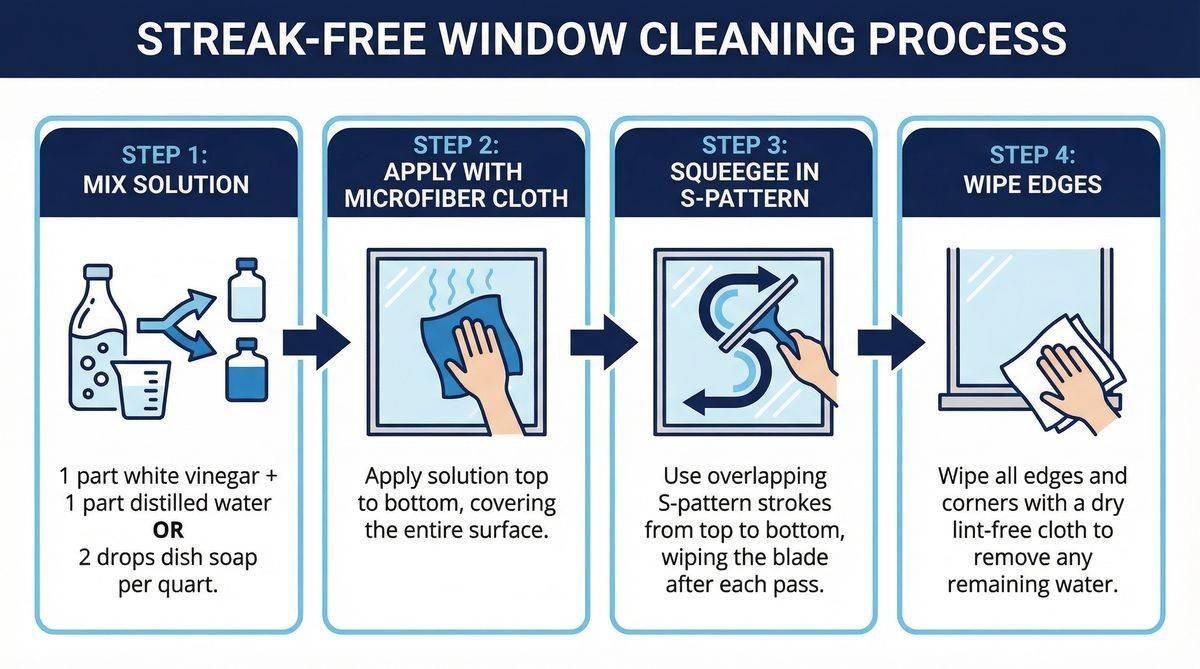
For an eco-friendly and cost-effective approach, homemade cleaning solutions are highly effective. A simple yet potent mixture consists of equal parts distilled white vinegar and distilled water. The acetic acid in vinegar cuts through grime and dissolves mineral deposits, leaving a sparkling finish. For a pleasant scent, a few drops of essential oil like lemon or peppermint can be added. Another popular recipe involves mixing two cups of distilled water, 1/4 cup of white vinegar, and 1/2 teaspoon of liquid dish soap. The dish soap acts as a surfactant, helping to break down grease and dirt. Always use distilled water to avoid introducing new mineral deposits.
Professional Tools for Home Use: Squeegees and Beyond
While a spray bottle and microfiber cloth suffice for smaller tasks, a squeegee elevates your window cleaning to a professional level. When selecting a squeegee, opt for one with a comfortable handle and a high-quality rubber blade. The blade should be pliable and free of nicks or tears to ensure a smooth, streak-free pass. Other useful tools include a window scrubber or sponge for applying the solution, a bucket for mixing and rinsing, and a lint-free cloth for wiping the squeegee blade after each stroke. For hard-to-reach windows, an extension pole can be invaluable.

The Step-by-Step Method for Sparkling Windows (Inside and Out)
A systematic approach is key to streak-free windows. Begin by preparing the area and removing loose debris, then apply your chosen cleaning solution. Use a squeegee or microfiber cloth with overlapping strokes, drying the blade after each pass, and work from top to bottom, adjusting direction for interior and exterior panes.
Achieving truly streak-free windows is less about brute force and more about methodical execution. A structured approach ensures that every step contributes to the final, pristine result. This process begins with thorough preparation, moves through the application and removal of cleaning solutions, and concludes with meticulous finishing touches. By following these steps, you can eliminate common pitfalls and enjoy consistently clear windows.
Pre-Cleaning Preparations: Setting the Stage for Success
Before any liquid touches the glass, proper preparation is crucial. Start by removing any loose dirt, dust, or cobwebs from the window frames, sills, and screens. A soft brush, vacuum cleaner with a brush attachment, or a dry microfiber cloth works well for this. This prevents dirt from turning into muddy streaks once wet. For exterior windows, a quick rinse with a garden hose can dislodge heavier debris. Protect interior floors and furniture with towels or drop cloths to catch any drips. Choose an overcast day or a time when the windows are not in direct sunlight, as rapid drying can lead to streaks.
Mastering the Squeegee Technique: Tips for a Professional Shine
Using a squeegee effectively requires a bit of practice but yields superior results. After applying your cleaning solution, position the squeegee blade at the top corner of the window. Apply firm, even pressure and pull the squeegee across the glass in a continuous, overlapping stroke. For the next stroke, overlap the previous one by about an inch. After each pass, wipe the squeegee blade clean with a lint-free cloth to prevent transferring dirty water back onto the glass. For vertical windows, work from top to bottom. For horizontal windows, work from left to right. A common trick is to clean the exterior windows horizontally and the interior windows vertically; this way, if you spot a streak, you immediately know which side it’s on.
Cleaning Window Screens and Frames: Often Overlooked, Always Important
Clean windows are only as good as their surrounding elements. Window screens accumulate dust, pollen, and insects, which can quickly transfer back to freshly cleaned glass. Remove screens and gently brush them with a soft brush or vacuum them. For a deeper clean, wash them with soapy water and rinse thoroughly before allowing them to air dry. Window frames and sills also collect dirt and grime. Wipe them down with a damp cloth and a mild all-purpose cleaner. Pay attention to corners and crevices where dirt tends to accumulate. A clean frame enhances the overall appearance of your windows and prevents dirt from migrating to the glass.
Advanced Tips and Troubleshooting for Stubborn Streaks
For persistent streaks, consider the water quality, the type of cloth used, and environmental factors like direct sunlight. Distilled water can eliminate mineral deposits, while a clean, lint-free microfiber cloth and cleaning on an overcast day can significantly improve results.
Even with the best intentions and techniques, stubborn streaks can sometimes appear. Troubleshooting these issues often involves revisiting the basics and making subtle adjustments. The quality of your water is a frequent culprit; if you’re not using distilled water, mineral deposits from tap water are likely leaving residues. Switching to distilled water can often resolve this immediately. The type and cleanliness of your wiping tools also play a significant role. Ensure your microfiber cloths are freshly laundered and lint-free, and that your squeegee blade is in perfect condition. Environmental factors, particularly direct sunlight, can sabotage your efforts by causing solutions to evaporate too quickly. Always aim to clean windows on a cloudy day or when they are in the shade. For very stubborn grime or hard water spots, a stronger solution or a specialized glass cleaner may be necessary. Sometimes, a second pass with a clean, dry microfiber cloth can buff away any remaining faint streaks.
The Impact of Weather: Why Timing Your Clean Matters
Cleaning windows on a sunny day might seem logical, but it’s actually counterproductive. Direct sunlight causes cleaning solutions to evaporate rapidly, leaving behind soap residue and mineral deposits before you have a chance to wipe them away. This quick drying is a primary cause of streaks. The ideal conditions for window cleaning are overcast days or when the windows are in the shade. This allows the cleaning solution to remain wet longer, giving you ample time to work and achieve a truly streak-free finish. If cleaning on a sunny day is unavoidable, work in small sections and wipe immediately after applying the solution.
Hard Water Stains and Residue: Specialized Solutions
Hard water stains, characterized by white, chalky deposits, can be particularly challenging. These are mineral buildups that regular cleaning solutions may not fully remove. For these, a more acidic solution is often required. A paste made from baking soda and vinegar, applied to the stain and left for a few minutes before scrubbing, can be effective. Alternatively, commercial hard water stain removers, often containing mild acids, can be used. Always test these solutions on an inconspicuous area first and follow manufacturer instructions carefully. Prevention is key: using distilled water for regular cleaning significantly reduces the accumulation of hard water stains.
Frequently Asked Questions About Window Cleaning
Common questions about window cleaning often revolve around frequency, best solutions, and avoiding streaks. Experts recommend cleaning windows at least twice a year, using distilled water with vinegar or mild soap, and employing proper techniques like squeegee use and avoiding direct sunlight to prevent streaking.
How Often Should You Clean Your Windows?
For most homes, cleaning windows twice a year—typically in spring and fall—is sufficient to maintain clarity and prevent excessive buildup. However, homes in high-traffic areas, coastal regions, or those exposed to significant pollen or industrial pollutants may benefit from more frequent cleaning, perhaps quarterly. Regular maintenance prevents grime from becoming too stubborn, making each cleaning session easier and more effective.
Can I Use Newspaper to Clean Windows?
While newspaper was once a popular choice for window cleaning due to its lint-free properties, modern newspaper inks can transfer to glass, leaving smudges and a dull film. Additionally, the abrasive nature of some newspaper can scratch delicate surfaces. It is generally recommended to avoid newspaper and instead opt for high-quality microfiber cloths or a squeegee, which offer superior results without the risk of ink transfer or scratching.
What is the Best Homemade Window Cleaner?
The best homemade window cleaner is often a simple mixture of equal parts distilled white vinegar and distilled water. This solution effectively cuts through grease and dissolves mineral deposits without leaving streaks. For added cleaning power, a few drops of ammonia-free dish soap can be included. Always use distilled water to ensure no new mineral deposits are introduced, which are a common cause of streaking.
Conclusion: Enjoy the View: Maintaining Your Streak-Free Shine
Achieving streak-free windows is a tangible goal that significantly enhances the aesthetic appeal and natural light within your home. By understanding the common causes of streaks, selecting the right tools and solutions, and employing a systematic cleaning approach, you can transform a once-dreaded chore into a satisfying routine. Remember the importance of distilled water, quality microfiber cloths or a squeegee, and timing your cleaning to avoid direct sunlight. With these insights and techniques, you are now equipped to maintain crystal-clear panes, allowing you to fully enjoy the unobstructed beauty of the world outside, from the comfort of your impeccably clean home.
References
[1] Environmental Protection Agency (EPA). Water Hardness
