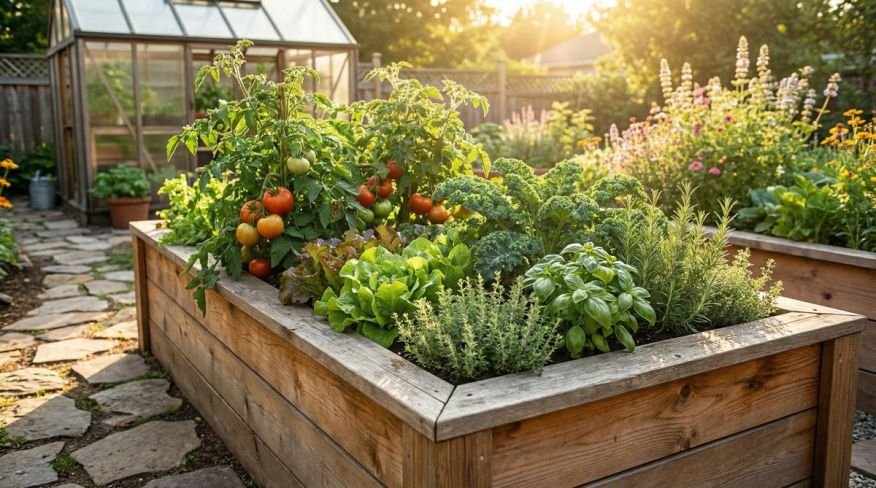
Imagine stepping into your backyard, greeted by rows of vibrant, healthy vegetables reaching for the sun, their leaves glistening with morning dew. According to Winchester Property Management Company, this isn’t a distant dream, but a tangible reality achievable through raised bed gardening. A well-designed raised garden bed transforms your growing space into a productive oasis, offering unparalleled control and convenience. Embark on this journey to cultivate your own fresh produce, nurturing both your garden and your well-being.
Why Choose a Raised Garden Bed for Your Vegetables?
Raised garden beds offer unparalleled control over soil quality, superior drainage, and ergonomic benefits, making them an ideal choice for cultivating healthy, productive vegetable gardens in diverse environments. These elevated structures provide advantages over traditional in-ground planting, allowing gardeners to tailor growing conditions to their plants’ needs while minimizing common frustrations.
The Unmatched Benefits: Soil, Drainage, and Accessibility
Raised beds allow for a custom soil blend, ensuring excellent drainage and a consistent supply of nutrients. The elevation reduces physical strain, making gardening more accessible. Defined boundaries deter pests and simplify weed management, allowing vegetables to thrive with less competition.
Overcoming Challenges: Poor Soil and Urban Gardening
Raised beds bypass poor native soils, including heavy clay, sandy, or contaminated urban soils, creating a pristine environment for vegetables. They warm up faster in spring, extending the growing season and benefiting heat-loving crops. Neatly contained beds also enhance yard aesthetics, turning functional areas into pleasing landscape features.
Planning Your Raised Garden Bed: Location, Size, and Layout
Strategic planning of your raised garden bed’s location, size, and internal layout is crucial for maximizing sunlight exposure, ensuring easy access, and promoting optimal plant growth and yield. Thoughtful planning lays the groundwork for a successful vegetable garden, preventing future frustrations and ensuring healthy produce.
Finding the Perfect Spot: Sunlight and Water Access
Most vegetables require six to eight hours of direct sunlight daily. Observe your yard to find the sunniest spots, considering seasonal shadow shifts. Convenient water access is vital; position your bed near a spigot or plan for irrigation to ensure consistent hydration. Proximity to your home encourages frequent interaction, aiding early pest or disease detection.
Optimal Dimensions: Height, Width, and Length for Success
Height between 12 to 18 inches suits most vegetables, with taller beds (up to 24 inches) ideal for deep-rooted crops or mobility needs. Width should max at 4 feet for easy reach without soil compaction. Length is flexible but shorter beds (6 to 8 feet) are easier to manage and support crop rotation.
Designing Your Layout: Maximizing Space and Plant Health
Use square foot gardening to optimize space, planting based on mature size. Place taller plants on the north side to avoid shading shorter ones, and sun-loving plants to the south. Group plants with similar water and nutrient needs and use companion planting to deter pests and enhance growth. Include pathways for easy access without disturbing plants.
Choosing Your Materials: Durability, Safety, and Aesthetics
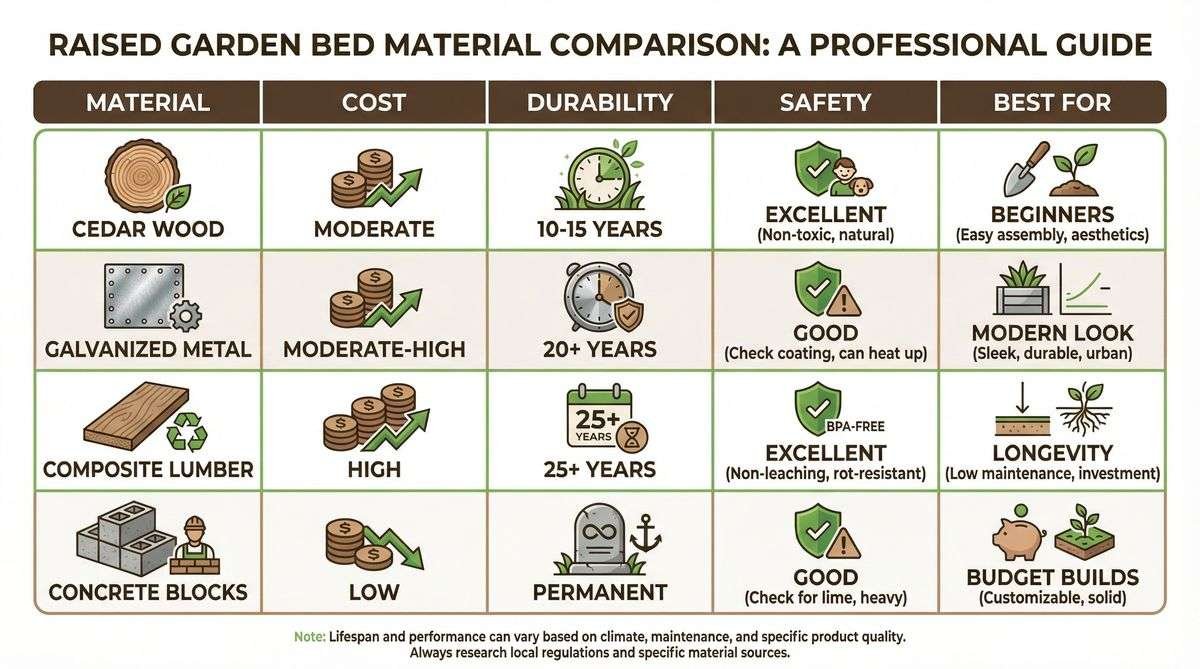
Selecting the right materials for your raised garden bed involves balancing durability, safety for edible plants, and aesthetic appeal, with options ranging from natural wood to modern metal and recycled alternatives. Your choice affects longevity, plant health, and landscape integration.
Wood Options: Cedar, Redwood, and Treated Lumber Considerations
Wood is popular for its natural look and affordability. Cedar and redwood resist rot and insects naturally, justifying their higher cost. Softer woods like pine decompose faster unless treated. Modern pressure-treated lumber, treated with safer chemicals than older CCA, is EPA-approved for garden use but some gardeners prefer lining the bed interior with plastic to prevent chemical leaching. Use hardware rated for treated wood to avoid corrosion.
Metal, Stone, and Fabric: Exploring Alternative Materials
Galvanized steel offers durability and a modern look, lasting decades with low maintenance; liners may be needed in acidic soils. Repurposed galvanized tubs or cattle troughs provide ideal height for herbs and greens. Bricks or pavers create a formal, durable bed but require more labor and possibly concrete footings. Fabric grow bags are flexible and economical, promoting drainage and aeration but may need more frequent watering; microplastic leaching is a consideration.
Step-by-Step Construction: Building Your Raised Garden Bed
Constructing a raised garden bed is a rewarding DIY project involving site preparation, precise frame assembly, and proper lining to ensure longevity and plant health. Even novice builders can create a sturdy, functional bed with careful planning.
Site Preparation: Leveling and Weed Control
Clear debris and vegetation, then level the ground using a spirit level for stability and even water distribution. Lay cardboard or overlapping newspaper sheets to suppress weeds; these biodegradable barriers enrich soil as they decompose. Alternatively, use permeable landscape fabric to block weeds while allowing drainage. Avoid impermeable plastic sheeting on the ground to maintain soil organism activity.
Assembling the Frame: Techniques for Different Materials
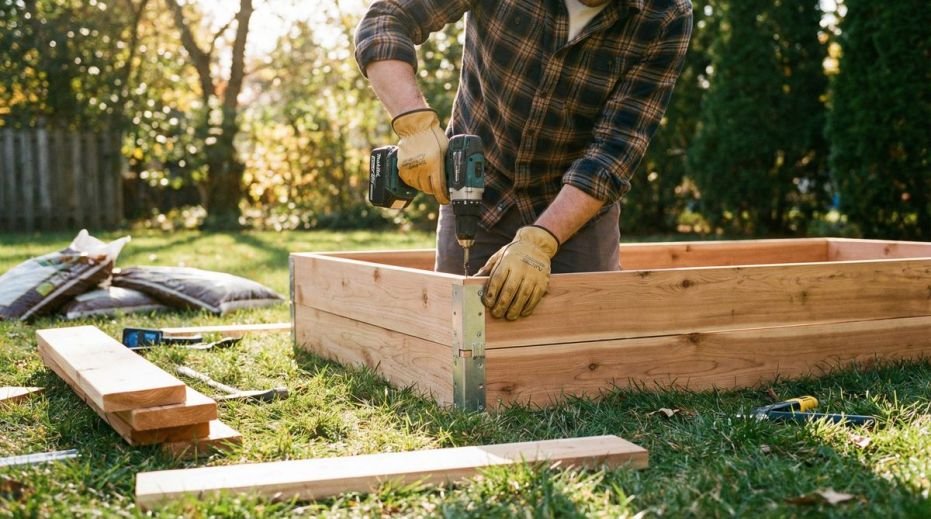
For wooden beds, cut lumber to size and join corners with screws, brackets, or stronger joints like lap or dado for durability. Ensure connections are square to prevent warping. Metal beds come with pre-drilled holes and hardware; follow instructions and tighten securely. Brick or cinder block beds require mortar and possibly concrete footings for taller structures; dry stacking is less stable but usable for short beds. Check levelness throughout assembly for uniformity.
Essential Linings: Protecting Your Investment and Plants
Lining protects both your bed and plants. For non-rot-resistant or pressure-treated wood, use heavy-duty, food-grade plastic sheeting inside to prevent chemical leaching and extend wood life; avoid covering the bottom to maintain drainage. Place permeable weed barrier fabric on the bed bottom to prevent weeds while allowing water flow and soil containment. Secure liners neatly with staples or adhesive, keeping edges flush with the bed top.
Filling Your Raised Garden Bed: The Foundation for Growth
Filling your raised bed with nutrient-rich, well-draining soil is critical for robust plant growth and a successful harvest. Soil quality directly impacts vegetable health and productivity.
The Ideal Soil Mix: Components and Ratios
Create a blend of equal parts high-quality topsoil, compost, and coarse amendments like perlite or vermiculite. Topsoil provides structure and minerals; compost adds organic matter, beneficial microbes, and slow-release nutrients, improving drainage and water retention. Perlite or vermiculite enhance aeration and prevent compaction. Add balanced organic fertilizer as needed. Avoid heavy garden soil to prevent weeds and pathogens. Use reputable mixes or create your own for best results.
Layering Techniques: The “Hugelkultur” Approach and Beyond
Some gardeners use layering to reduce expensive soil volume and boost fertility. The modified “Hugelkultur” method places logs, branches, and wood chips at the bottom to decompose slowly, releasing nutrients. Above, add finer organic matter and then soil mix. This improves drainage and aeration but fresh wood may tie up nitrogen temporarily, so separate it from roots with compost and topsoil. Simpler beds can use cardboard topped with compost and soil.
Planting and Maintenance: Nurturing Your Raised Bed Garden
Effective planting and consistent maintenance maximize yield and longevity, ensuring vegetables thrive from seed to harvest. Proactive care prevents issues and promotes productivity.
Smart Planting Strategies: Spacing, Succession, and Companion Planting
Use intensive planting like square foot or triangular spacing to maximize harvest. Avoid overcrowding to maintain air circulation and reduce disease risk. Practice succession planting by staggering quick-growing crops for continuous harvest. Incorporate companion planting to deter pests and enhance growth, such as marigolds for nematodes and basil to improve tomato flavor. Understand plant needs and interactions for a harmonious garden.
Watering and Fertilizing: Keeping Your Plants Hydrated and Nourished
Raised beds drain well and warm quickly, requiring more frequent watering. Maintain consistent moisture without waterlogging by checking soil an inch or two deep. Use drip irrigation or soaker hoses to deliver water efficiently to roots, avoiding overhead watering that promotes fungal diseases. Supplement nutrients with organic fertilizers like compost tea or fish emulsion. Conduct soil tests every few years to monitor nutrient levels and pH for informed amendments.
Pest and Disease Management: Organic Solutions for a Healthy Garden
Regularly inspect plants for pests or disease signs. Hand-pick large pests like hornworms and introduce beneficial insects such as ladybugs. Use physical barriers like row covers to protect young plants. Ensure good air circulation and avoid overhead watering to prevent fungal issues. If needed, apply organic fungicides or insecticides like neem oil or insecticidal soap, following instructions carefully. A diverse, healthy garden ecosystem is the best defense.
Unique Differentiating Module 1: Maximizing Yield with Vertical Gardening Integration
Integrating vertical gardening elements into your raised bed design expands growing capacity, allowing more food production in the same footprint by utilizing upward space. This approach benefits small gardens and diversifies crops.
Adding trellises, obelisks, cages, or repurposed pallets lets climbing plants like cucumbers, pole beans, peas, and certain squashes grow upward, saving ground space and improving air circulation, which reduces disease risk and eases harvesting. Wall-mounted planters or tiered shelves on taller beds add pockets for herbs or strawberries. This multi-dimensional setup transforms your bed into a dynamic, high-yield system, optimizing space effectively.
Unique Differentiating Module 2: Water-Wise Raised Beds: Sub-Irrigation and Rainwater Harvesting
Water-wise strategies like sub-irrigation and rainwater harvesting reduce water use, promote healthier roots, and support sustainable gardening. These techniques are vital in drought-prone areas or for eco-conscious gardeners.
Sub-irrigation (self-watering or wicking beds) supplies moisture from below via a reservoir separated by a permeable barrier, minimizing evaporation and providing consistent water, often saving 50% or more water compared to surface watering. Rainwater harvesting with barrels collects runoff for reservoir filling or direct watering, reducing municipal water dependence. This combined approach conserves resources and creates a resilient, self-sufficient garden aligned with ecological principles.
FAQ: Common Questions About Raised Garden Beds
What is the best depth for a raised garden bed?
For most vegetables, 12 to 18 inches depth provides ample root space. Deeper beds (24 inches or more) suit root crops, extensive root systems, or gardeners needing reduced bending.
What should I put at the bottom of a raised garden bed?
Use cardboard or newspaper layers to suppress weeds. Adding coarse organic matter like logs or branches (Hugelkultur) provides long-term nutrients, topped with high-quality soil mix.
What is the best material for a raised garden bed?
Durable, food-safe materials like cedar, redwood, galvanized steel, or stone are excellent. Pressure-treated lumber is EPA-approved but some prefer natural woods or lining beds if using treated wood.
How do I prevent weeds in my raised garden bed?
Start with a weed barrier (cardboard or landscape fabric) at the bottom. Use high-quality, weed-free soil. Mulch with straw, wood chips, or compost to suppress new weeds and retain moisture.
How often should I water a raised garden bed?
Raised beds need more frequent watering due to better drainage. Check soil moisture daily; water when the top inch or two is dry. Drip irrigation is recommended for efficiency.
Can I move a raised garden bed once it is filled?
Most beds are too heavy and fragile to move once filled. Fabric grow bags or small, lightweight beds are better if mobility is needed.
Conclusion: Cultivating Your Raised Bed Success
Building a raised garden bed is an investment in healthier eating, a connection to nature, and self-sufficiency. From planning location and materials to cultivating crops, each step fosters a thriving garden ecosystem. Embrace optimal soil, efficient watering, and smart planting to yield abundant harvests. Whether seasoned or beginner, raised beds offer a robust, adaptable solution. Learn from your plants and savor the joy of growing your own food, transforming your outdoor space into a vibrant testament to sustainable living.
References
U.S. Environmental Protection Agency. (2003). Chromated Copper Arsenate (CCA).
