Picture a home that anticipates your needs, where lights adjust to your mood, music follows you from room to room, and every device works in perfect harmony. This isn’t a futuristic fantasy; it’s the promise of a smart home, and at its heart lies the smart home hub. For newcomers, navigating the myriad of options can feel overwhelming, but choosing the right hub is the foundational step to unlocking seamless automation and effortless living. This guide cuts through the complexity, offering clear insights and top recommendations to help you embark on your smart home journey with confidence.
What is a Smart Home Hub and Why Do You Need One?
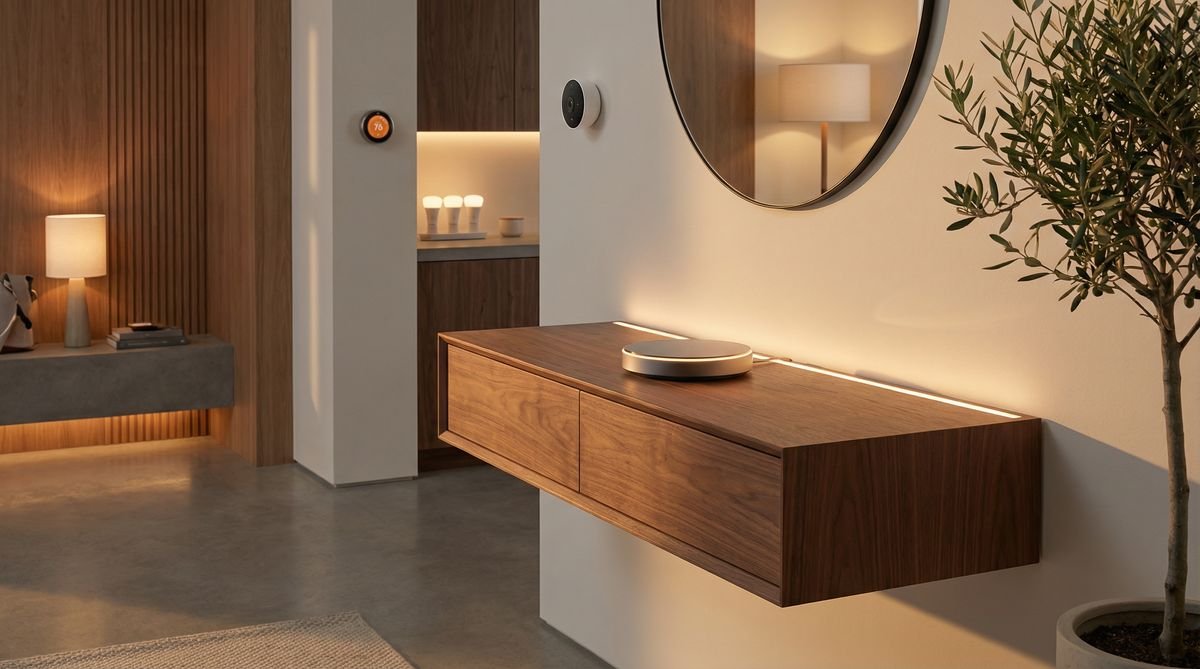
A smart home hub acts as the central brain of your connected ecosystem, allowing diverse smart devices to communicate and work together seamlessly. It translates different wireless protocols (like Zigbee, Z-Wave, Wi-Fi, and Bluetooth) into a unified language, enabling you to control all your devices from a single app or voice command, and create automated routines, says The Maryland and Delaware Group Parsonsburg team. Without a hub, you might find yourself juggling multiple apps for individual devices, leading to a fragmented and frustrating experience. A hub streamlines control, enhances automation possibilities, and often improves the reliability and responsiveness of your smart home setup.
Key Considerations for Beginner-Friendly Smart Hubs
For beginners, selecting a smart home hub involves prioritizing ease of setup, broad device compatibility, and future-proofing through support for evolving standards. These considerations ensure a smooth entry into home automation, allowing the system to grow with your needs and integrate seamlessly with a diverse range of smart devices. Focusing on these aspects helps avoid common frustrations and builds a robust foundation for a connected home.
Ease of Setup and User Interface
For beginners, a smart home hub with a straightforward setup process and an intuitive mobile application is paramount. Look for hubs that offer clear, step-by-step instructions, often guided by an app, and avoid those requiring complex network configurations or coding knowledge. A user-friendly interface means you can easily add new devices, create automation routines, and manage your smart home without a steep learning curve. Many modern hubs boast “plug and play” functionality, making the initial experience hassle-free.
Broad Compatibility and Future-Proofing
A crucial aspect of a beginner-friendly smart home hub is its ability to connect with a wide array of devices from different manufacturers and support various wireless protocols. This ensures that your initial investment is protected and allows for future expansion without needing to replace your central hub. Look for hubs that support popular protocols like Zigbee, Z-Wave, Wi-Fi, and potentially newer standards like Matter and Thread. This broad compatibility not only simplifies device integration but also future-proofs your smart home against evolving technologies, ensuring your system remains versatile and adaptable.
Top Smart Home Hubs for Beginners
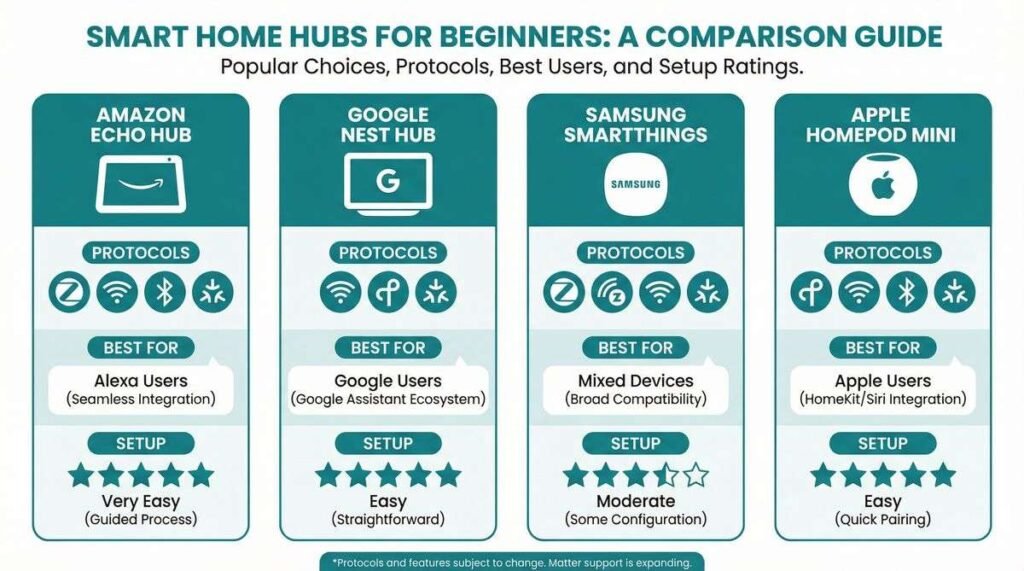
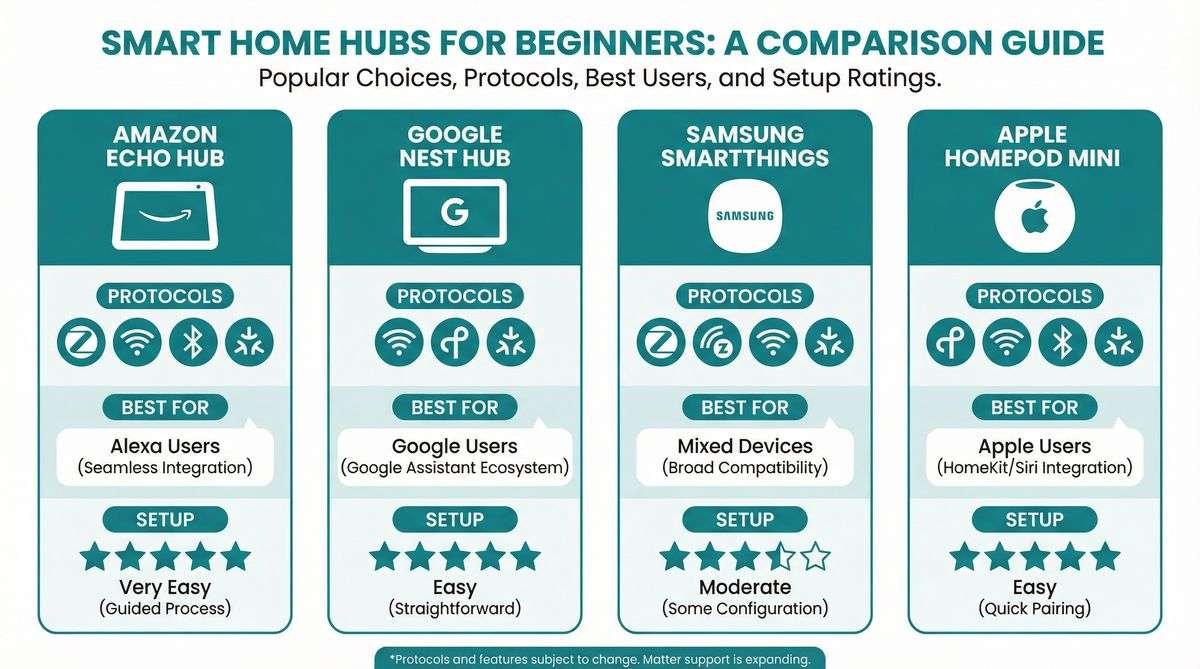
For those new to home automation, the best smart home hubs offer a balance of user-friendliness, extensive device compatibility, and reliable performance. These recommended hubs provide a solid starting point, simplifying the process of connecting and controlling various smart devices to create an efficient and responsive home environment. Each option caters to different preferences, from broad ecosystem support to voice-controlled simplicity.
Aeotec Smart Home Hub: The Versatile Choice
The Aeotec Smart Home Hub, powered by Samsung SmartThings, offers exceptional compatibility with a vast ecosystem of devices, making it an ideal choice for beginners who anticipate expanding their smart home significantly. It supports Zigbee, Z-Wave, Wi-Fi, and Bluetooth, providing a comprehensive solution for integrating various smart products. While it has a slight learning curve for advanced automations, its robust capabilities and extensive device support make it a powerful and flexible option. The SmartThings app, though feature-rich, is designed to guide users through device setup and routine creation, ensuring a manageable experience for newcomers.
Amazon Echo Devices: Voice-Controlled Simplicity
Amazon Echo devices, particularly the Echo Dot and Echo Show, serve as excellent entry points into smart home control, offering intuitive voice commands and seamless integration with Alexa-compatible devices. While primarily smart speakers, many Echo models include built-in Zigbee hubs, allowing direct connection to a range of smart lights, plugs, and sensors. Their strength lies in their simplicity and the vast ecosystem of Alexa skills and compatible products. For beginners prioritizing voice control and a straightforward user experience, an Echo device can act as a capable smart home hub, especially for those already invested in the Amazon ecosystem. The Echo Show further enhances this with a visual interface for managing devices and viewing information.
Google Nest Hub: Visual Control and Google Assistant Integration
The Google Nest Hub provides a touch-screen interface for managing smart home devices and leverages the power of Google Assistant for voice control, making it a strong contender for beginners who prefer visual interaction. It integrates seamlessly with Google Home-compatible devices and offers a user-friendly platform for creating routines and viewing connected devices. While its compatibility might not be as broad as a dedicated multi-protocol hub like Aeotec, the Nest Hub excels in its ease of use and its ability to display information and video feeds from smart cameras. For those who prefer the Google ecosystem and appreciate a visual dashboard for their smart home, the Nest Hub offers a compelling and accessible solution.
Apple HomePod mini: For the Apple Ecosystem Enthusiast
The Apple HomePod mini, while primarily a smart speaker, functions as a HomeKit hub, offering a secure and private smart home experience for users within the Apple ecosystem. It supports HomeKit-certified devices and leverages Siri for voice control, providing a streamlined and integrated experience for Apple users. Its rigorous certification program ensures high standards of security and privacy, though this can limit device compatibility compared to other platforms. For beginners deeply integrated into Apple’s products and prioritizing privacy and a consistent user experience, the HomePod mini offers a simple and reliable way to manage their HomeKit-enabled devices.
Unique Differentiating Modules
Beyond basic functionality, certain features and emerging technologies differentiate smart home hubs, offering enhanced capabilities and future-proofing benefits. Understanding these unique modules, such as support for open standards like Matter and Thread, and exploring advanced automation scenarios, can significantly improve the longevity and versatility of your smart home system. These elements are crucial for a truly integrated and adaptable connected living space.
The Importance of Open Standards: Matter and Thread
As the smart home landscape evolves, understanding open standards like Matter and Thread is crucial for future-proofing your setup and ensuring long-term compatibility. Matter is a new, unified connectivity standard designed to make smart home devices work seamlessly together, regardless of brand or platform. Thread is a low-power, mesh networking protocol that enhances device communication and reliability. Many newer hubs are incorporating support for Matter and Thread, which will significantly simplify device integration and reduce compatibility headaches for beginners. Choosing a hub that embraces these open standards will provide greater flexibility and longevity for your smart home system, ensuring that your devices can communicate effectively for years to come.
Beyond the Basics: Smart Home Automation Scenarios for Beginners
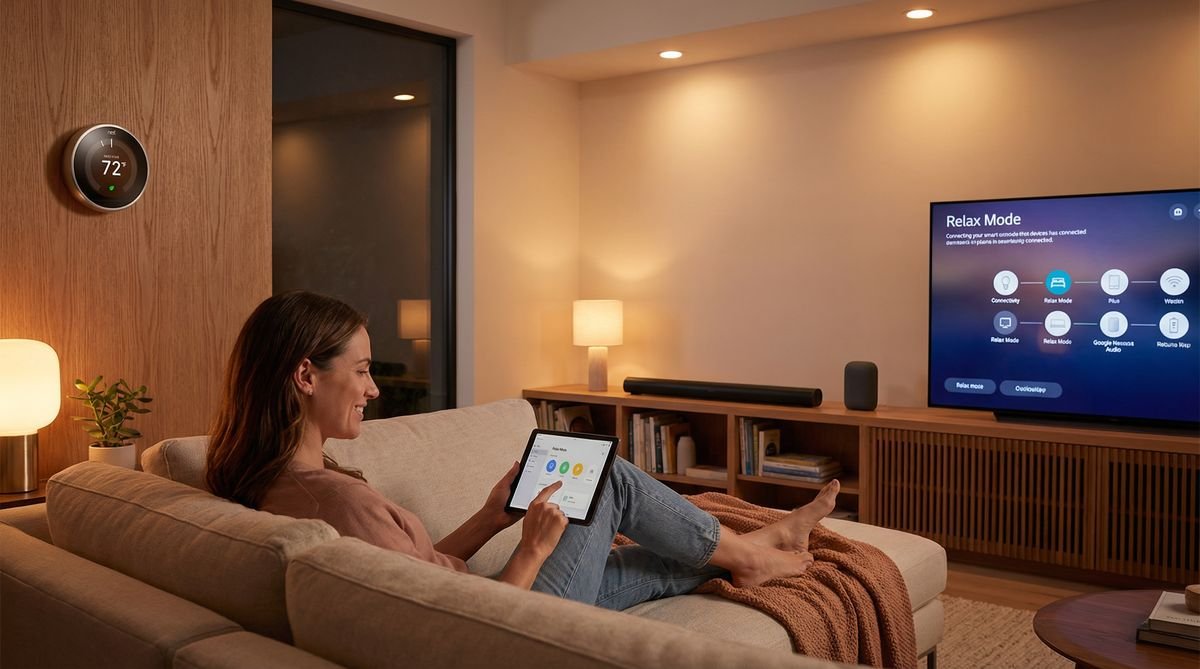
Smart home automation extends beyond simple voice commands, offering powerful ways to simplify daily routines and enhance convenience. For beginners, exploring basic automation scenarios can quickly demonstrate the value of a smart home hub. Consider setting up routines like “Good Morning” (lights gradually turn on, thermostat adjusts, coffee maker starts) or “Good Night” (all lights off, doors locked, thermostat set back). These simple automations, easily configured through your hub’s app, showcase the true power of a connected home and provide immediate benefits, making your daily life more efficient and comfortable. Experimenting with these scenarios helps beginners understand the potential of their smart home system and encourages further exploration of advanced automations.
Frequently Asked Questions About Smart Home Hubs
Addressing common queries about smart home hubs helps clarify essential aspects for beginners, covering topics such as selection criteria, the necessity of a hub with Wi-Fi devices, the possibility of linking multiple hubs, and the role of security systems as hubs. These answers provide practical guidance for navigating the initial complexities of smart home integration. Understanding these FAQs ensures a more informed and confident approach to building your smart home.
What should I look for in a smart hub?
When choosing a smart home hub, prioritize compatibility with your existing and desired smart devices, an intuitive mobile app for easy control and setup, and support for open standards like Matter and Thread for future-proofing. Consider your primary use cases, such as voice control, visual dashboards, or extensive automation capabilities, to select a hub that best fits your lifestyle. Ease of setup and a strong community or customer support are also important factors for beginners.
Do I need a smart home hub if all my devices connect through my Wi-Fi network?
While many smart devices can connect directly to your Wi-Fi, a dedicated smart home hub offers significant advantages, especially for beginners. It centralizes control, reduces network congestion, and often enables more complex automations between devices that might not otherwise communicate. For devices using low-power protocols like Zigbee and Z-Wave, a hub is essential. Relying solely on Wi-Fi for numerous devices can also strain your home network, potentially leading to slower internet speeds and less reliable device performance. A hub creates a more robust and efficient smart home ecosystem.
Can I link multiple smart hubs together?
Yes, it is possible to link multiple smart hubs together, especially if you have devices that operate on different ecosystems or protocols. Many users integrate various hubs, such as a primary multi-protocol hub with voice assistant devices (like Amazon Echo or Google Nest) to leverage the strengths of each. This approach allows for broader device compatibility and more flexible control options, though it can add a layer of complexity. However, with the emergence of unified standards like Matter, the need for multiple hubs may decrease over time, simplifying integration for future smart homes.
Can security systems work as smart home hubs?
Many modern home security systems double as smart home hubs, offering integrated control over security devices and other smart home gadgets through a single app. These systems often include built-in support for various wireless protocols and can be a convenient all-in-one solution for beginners prioritizing security. They provide the added benefit of professional monitoring and battery/cellular backups, ensuring your smart home remains functional even during power outages or internet disruptions. When considering a security system as your hub, ensure it offers the level of smart home integration and device compatibility you require.
Conclusion: Your Gateway to a Smarter Home
Embarking on the journey to a smarter home doesn’t have to be daunting. By understanding the role of a smart home hub and carefully considering factors like ease of use, compatibility, and future-proofing, beginners can confidently select a device that will serve as the cornerstone of their connected living space. Whether you prioritize extensive device support with the Aeotec Smart Home Hub, the voice-controlled simplicity of Amazon Echo, the visual interface of Google Nest Hub, or the secure ecosystem of Apple HomePod mini, the right hub will unlock a world of convenience, efficiency, and personalized automation. Start small, experiment with automations, and enjoy the transformative power of a truly smart home.
References
1. Smart Home Hubs of 2026 | SafeWise
2. Aqara. (2025). Best Smart Home Hub for Beginners: Your Friendly, In-Depth Guide.
