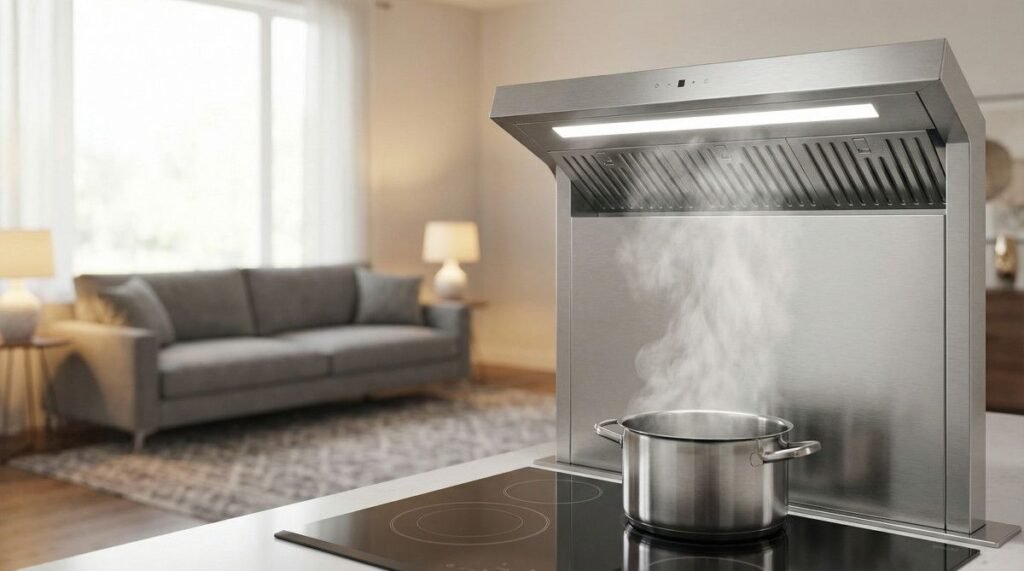
An open kitchen can significantly increase resale value by creating a sense of spaciousness and modern functionality that appeals to many contemporary homebuyers. In suburban markets, an open-concept layout often adds between 3 percent and 5 percent to a home’s total value, while urban properties may see premiums as high as 7 percent to 10 percent because the design makes limited square footage feel larger, notes State Property Management specialists.
The shift toward open-concept living has transformed the kitchen from a secluded service area into the social hub of the home. This architectural evolution reflects broader changes in lifestyle, where cooking, dining, and entertaining are integrated activities. Consequently, real estate professionals consistently rank open kitchens as one of the most sought-after features for buyers across various demographics.
While the initial investment for removing walls can be substantial, the long-term financial benefits often outweigh the costs. Homes with open layouts tend to sell faster and attract more competitive offers than those with traditional, closed-off floor plans. This market preference remains strong despite emerging trends toward “broken-plan” designs that offer slightly more definition between functional zones.
Market Value Impact of Open Kitchen Layouts
Open kitchen layouts positively impact market value by enhancing the flow of natural light and creating a versatile environment that maximizes every square foot of the floor plan. Properties featuring these designs often command higher prices because they align with the aesthetic and functional expectations of modern buyers who prioritize connectivity and a bright, airy atmosphere throughout their living spaces.
The financial impact of an open kitchen varies depending on the property type and its location. In high-density urban areas where space is at a premium, the ability to see from the front door through to the kitchen creates an illusion of a much larger home. This perceived increase in size is a primary driver for the higher percentage gains seen in city condos and townhomes compared to larger suburban residences.
Data from real estate transactions suggests that the return on investment for opening a kitchen is particularly high when the renovation involves removing non-load-bearing walls. These projects are relatively cost-effective yet deliver a dramatic visual transformation. Even when structural beams are required, the added value often covers the construction expenses while providing a significant boost to the home’s marketability.
| Property Type | Estimated Value Increase | Primary Value Driver |
|---|---|---|
| Urban Condominium | 7% – 10% | Perceived Square Footage |
| Suburban Single-Family | 3% – 5% | Social Connectivity |
| Starter Home | 5% – 8% | Modern Appeal |
| Luxury Estate | 2% – 4% | Entertaining Flow |
Why Buyers Prioritize Open Concept Designs
Buyers prioritize open-concept designs because they facilitate better social interaction and allow for easier supervision of children or guests while preparing meals. The lack of physical barriers between the kitchen and living areas creates a more inclusive environment, making the home feel more welcoming and better suited for the informal entertaining styles that dominate today’s culture.
Visibility is a major factor in the popularity of open kitchens. Parents can keep an eye on children playing in the living room or doing homework at the dining table without leaving the stove. This practical benefit makes open layouts especially attractive to young families, a demographic that represents a significant portion of the home-buying market.
Furthermore, the distribution of natural light is greatly improved when walls are removed. A kitchen that might have been dark and cramped in a traditional layout can benefit from the windows in adjacent rooms. This increased brightness not only makes the space more pleasant to work in but also contributes to the overall positive first impression that is crucial during home showings.
Potential Drawbacks That Could Lower Resale Appeal
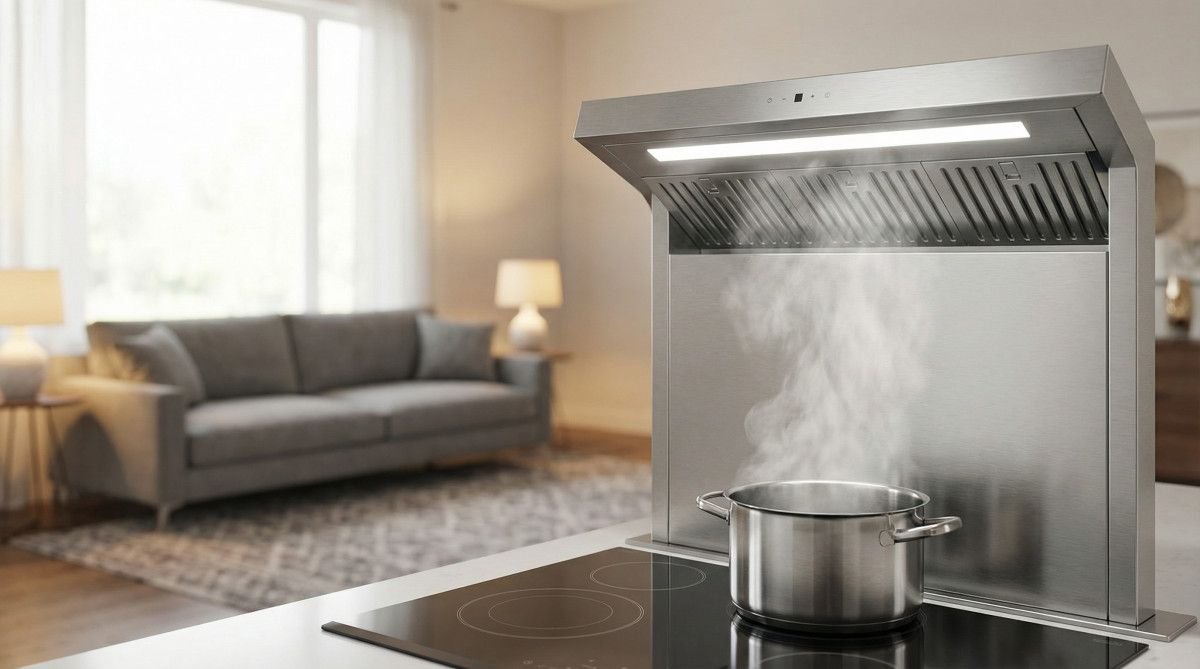
Potential drawbacks of an open kitchen include increased noise levels from appliances and the unhindered spread of cooking odors throughout the entire living area. If these issues are not addressed through high-quality ventilation and sound-dampening materials, they can detract from the home’s appeal for buyers who value quiet environments or frequently cook strong-smelling foods.
Another concern for some buyers is the lack of privacy and the constant visibility of kitchen clutter. In an open layout, dirty dishes or countertop appliances are visible from the living room, which may be stressful for homeowners who prefer to keep their chores out of sight. This “mess factor” is one reason why some high-end buyers are beginning to look for “scullery” or “dirty kitchen” additions.
Storage space can also be compromised when walls are removed. Fewer walls mean fewer opportunities for upper cabinets, which can lead to a shortage of pantry space or storage for less-frequently used items. To maintain resale value, homeowners must compensate for this loss by incorporating large islands with built-in storage or floor-to-ceiling cabinetry on the remaining walls.
Cost vs. ROI: Is the Investment Worth It?
The investment in an open kitchen is generally worth it, as the typical return on investment ranges from 60% to 85% of the project cost upon resale. While removing a load-bearing wall can cost between $5,000 and $15,000, the resulting increase in home value and the reduction in time spent on the market often justify the initial capital expenditure for most homeowners.
Homeowners should carefully evaluate the structural requirements before beginning a renovation. Removing a non-load-bearing wall is a relatively simple task that can cost as little as $1,500, providing an excellent ROI. However, if the wall supports the roof or a second floor, the need for structural engineers and steel beams will significantly increase the budget and potentially lower the immediate net gain.
It is also important to consider the “opportunity cost” of not renovating. In a market where most comparable homes have open kitchens, a property with a closed-off layout may be viewed as dated. This can lead to longer listing times and price reductions that far exceed the cost of the renovation itself, making the update a defensive necessity in many competitive real estate markets.
Design Strategies to Maximize Your Kitchens Resale Value
Design strategies to maximize resale value include installing a large multi-functional island and using consistent flooring throughout the open space to create a cohesive look. A well-designed island provides the necessary storage and workspace lost from removed walls while serving as a natural transition point between the kitchen and the adjacent living or dining areas.
Lighting plays a critical role in defining zones within an open space. Using pendant lights over the island and recessed lighting in the work areas helps to visually separate the kitchen without the need for physical barriers. This layered lighting approach adds a professional touch that buyers appreciate and helps to highlight the kitchen’s best features during evening viewings.
To mitigate the common complaints of noise and mess, homeowners can choose quiet-rated appliances and incorporate a “hidden” pantry or appliance garage. Selecting a dishwasher with a decibel level below 44 dB ensures that kitchen cleanup doesn’t interfere with living room activities. These thoughtful details demonstrate a high level of care and quality that can justify a higher asking price.
- Assess the structural integrity of the wall to determine if it is load-bearing.
- Obtain necessary permits and consult with a structural engineer if required.
- Plan the new layout to ensure adequate storage and a functional work triangle.
- Select consistent flooring and a cohesive color palette for the entire open area.
- Install high-performance ventilation to manage cooking odors and steam.
Frequently Asked Questions
Does an open kitchen always increase home value?
An open kitchen generally increases home value in most modern markets, but the extent of the boost depends on the quality of execution and local buyer preferences. If the renovation results in a loss of essential storage or creates an awkward floor plan, the impact on resale value might be negligible or even negative in some traditional neighborhoods.
How much does it cost to remove a wall for an open kitchen?
The cost to remove a wall varies significantly based on whether it is load-bearing or contains utilities like plumbing and electricity. A simple non-load-bearing wall removal might cost between $1,500 and $4,000, while a load-bearing wall requiring a structural beam can range from $5,000 to over $15,000 including professional fees.
Are open kitchens going out of style in 2026?
Open kitchens remain highly popular in 2026, though there is a growing trend toward “broken-plan” layouts that use partial walls or glass partitions to provide some separation. While the desire for light and connectivity persists, more buyers are looking for ways to manage noise and mess without completely closing off the kitchen area.
What is the best flooring for an open-concept kitchen?
The best flooring for an open-concept kitchen is a durable, water-resistant material that can be used consistently throughout the entire open area, such as luxury vinyl plank or engineered hardwood. Using the same flooring across the kitchen and living spaces creates a seamless visual flow that makes the entire home feel larger and more cohesive.
How can I reduce noise in an open kitchen?
Reducing noise in an open kitchen can be achieved by selecting ultra-quiet appliances, installing soft-close cabinetry, and using sound-absorbing materials like area rugs or acoustic ceiling treatments. Choosing a dishwasher with a rating of 44 dB or lower is one of the most effective ways to prevent kitchen noise from disrupting the rest of the home.
The decision to create an open kitchen is a strategic move that aligns with modern real estate trends and buyer expectations. By carefully balancing the benefits of light and social connectivity with practical solutions for noise and storage, homeowners can significantly enhance both their daily living experience and their property’s ultimate resale value. Investing in a well-planned open layout remains one of the most reliable ways to ensure a home stands out in a competitive market.
