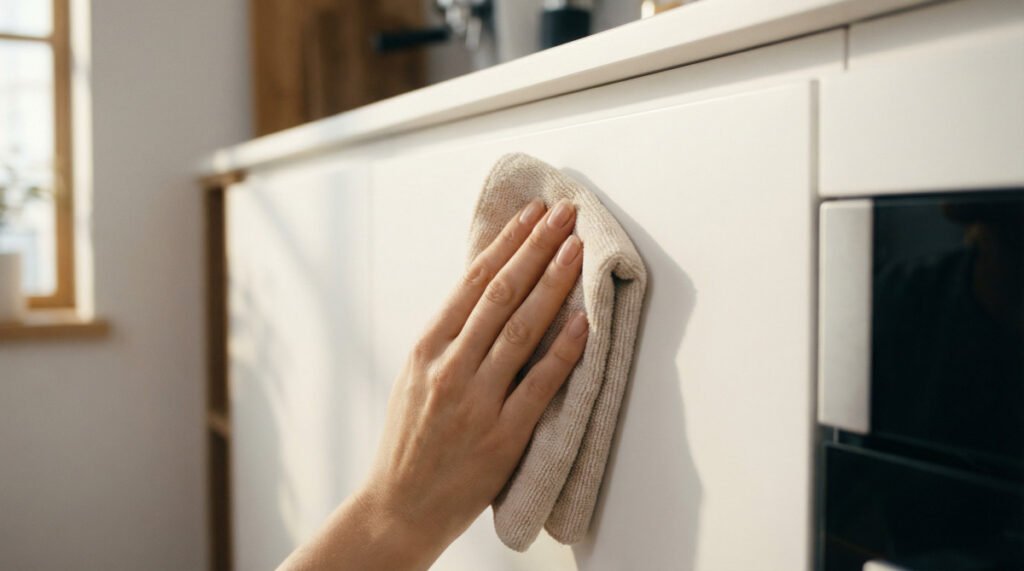
White kitchen cabinets tend to yellow over time because of environmental factors such as prolonged ultraviolet exposure, accumulated cooking grease, and high heat from nearby appliances. Preventing this discoloration requires a proactive maintenance routine that combines regular surface cleaning with environmental controls like high-quality ventilation and UV-blocking window treatments to preserve the original factory finish, explains TrueDoor Property Management solutions.
Primary Causes of White Kitchen Cabinet Discoloration
The yellowing of white kitchen cabinets is primarily driven by chemical oxidation and the accumulation of airborne contaminants that bond to the cabinet surface over several years. Ultraviolet light breaks down the chemical bonds in paint and laminate finishes, while cooking oils and steam create a sticky residue that traps dust and gradually darkens into a stubborn yellow film.
Understanding the specific triggers for discoloration allows homeowners to target their prevention efforts effectively. While some yellowing is a natural result of the aging process in certain oil-based finishes, most modern discoloration is preventable through better kitchen management. The following table outlines the most common culprits and their typical impact on cabinet surfaces.
| Cause of Yellowing | Mechanism of Action | Typical Severity |
|---|---|---|
| UV Exposure | Photodegradation of pigments and binders | High (Uneven fading) |
| Cooking Grease | Sticky film accumulation and oxidation | Moderate to High |
| High Heat | Thermal degradation of topcoats and adhesives | Localized (Near stove) |
| Chemical Cleaners | Stripping of protective UV-resistant layers | Moderate |
Heat is a particularly aggressive factor for cabinets located directly above or adjacent to the stovetop. Constant exposure to rising steam and high temperatures can cause the protective clear coat to become brittle and yellow prematurely. This is especially common in thermofoil cabinets, where heat can also cause the outer layer to delaminate from the core material.
Daily and Weekly Maintenance Routines for Lasting Whiteness
A consistent cleaning schedule is the most effective defense against the gradual buildup of grease and grime that leads to permanent yellowing. Daily spot cleaning prevents oils from hardening, while a thorough weekly wipe-down ensures that airborne particles do not have the opportunity to bond with the cabinet finish or penetrate the protective topcoat.
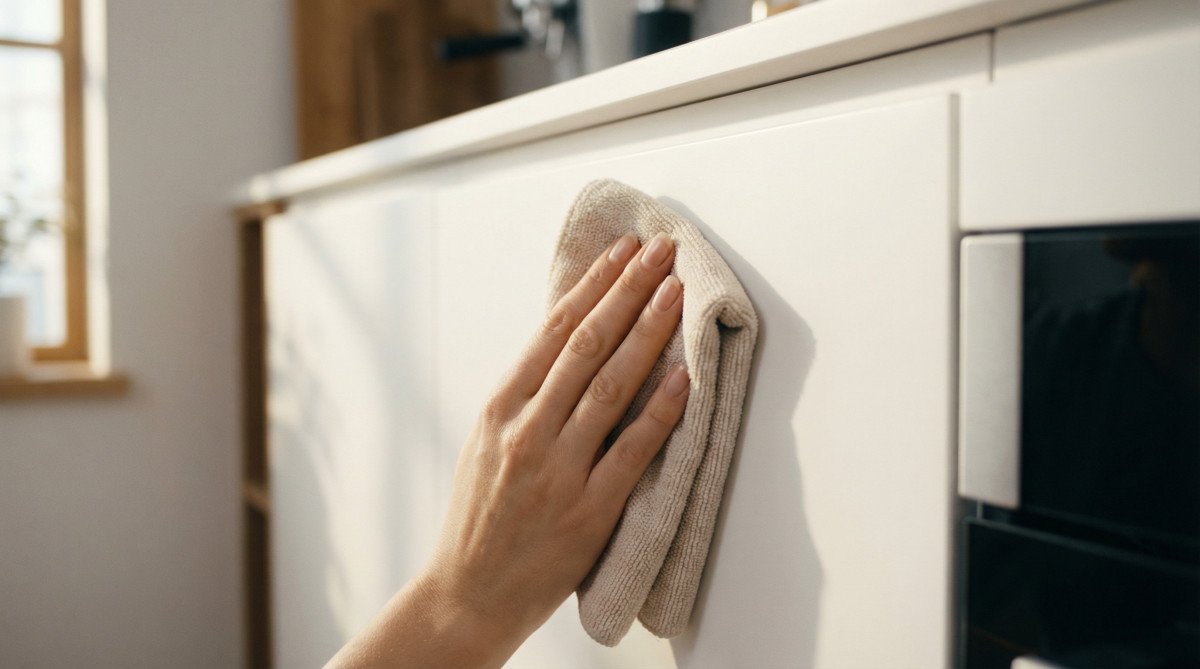
Establishing a routine does not require specialized equipment, but it does demand consistency to be effective over the long term. Most experts recommend using soft microfiber cloths to avoid micro-scratches that can trap dirt and make the cabinets appear dull. The following list provides a structured approach to maintaining white cabinetry throughout the year.
- Daily: Wipe down handles, knobs, and the areas immediately surrounding the stove with a damp microfiber cloth.
- Weekly: Clean all cabinet faces using a mild solution of warm water and a few drops of grease-cutting dish soap.
- Monthly: Inspect the tops of cabinets and crown molding for dust accumulation and remove it using a vacuum or dry cloth.
- Quarterly: Check the seals on your range hood and clean the filters to ensure maximum grease extraction during cooking.
When performing weekly cleaning, always dry the surfaces immediately with a separate, clean towel. Leaving moisture on the cabinets can lead to water spots or, in the case of wood cabinets, potential warping and finish damage. Systematic cleaning ensures that the white remains vibrant and the surface stays smooth to the touch.
Safe Cleaning Solutions for Removing Early Yellow Stains
Safe cleaning solutions for white cabinets involve using mild, non-abrasive ingredients like distilled white vinegar, baking soda, and gentle dish soap to lift stains without damaging the finish. Avoiding harsh chemicals like bleach or ammonia is critical, as these substances can strip away UV-protective coatings and actually accelerate the yellowing process they were intended to fix.
For cabinets that have already begun to show signs of yellowing, a targeted approach using household staples can often restore the original brightness. It is important to test any solution on an inconspicuous area first to ensure it does not affect the sheen or color of the paint. The table below compares common cleaning agents and their recommended applications.
| Cleaning Agent | Best For | Mixing Ratio |
|---|---|---|
| White Vinegar | General grease removal and shine | 1 part vinegar to 2 parts water |
| Baking Soda | Stubborn, localized yellow spots | 3 parts soda to 1 part water (paste) |
| Mild Dish Soap | Routine weekly maintenance | 2-3 drops per gallon of warm water |
| Warm Water | Daily dusting and light spills | Use alone with microfiber cloth |
If using a baking soda paste, apply it gently to the stained area and let it sit for no more than five minutes. Scrubbing too hard with baking soda can act as an abrasive, potentially dulling the finish of high-gloss cabinets. Always rinse the area with a damp cloth and dry it thoroughly to prevent any residue from remaining on the surface.
Environmental Controls to Prevent Cabinet Oxidation
Environmental controls are essential for long-term cabinet preservation because they address the root causes of yellowing, such as UV radiation and poor air quality, before they can affect the finish. Installing high-efficiency range hoods and using UV-blocking window films can significantly reduce the chemical stress placed on white paint and laminate surfaces in a busy kitchen.
Managing the kitchen environment is often overlooked but provides the most significant protection against yellowing. Sunlight is a constant threat, especially for kitchens with large south-facing windows. Over time, the same UV rays that cause skin damage will break down the molecular structure of cabinet finishes, leading to a permanent yellow cast that cleaning cannot reverse.
Ventilation is equally important for controlling the spread of aerosolized grease. When you fry or sauté food, tiny droplets of oil become airborne and settle on every available surface. A powerful exhaust fan, vented to the outside, captures these particles before they can land on your cabinets. Keeping the humidity levels between 30 and 50 percent also helps prevent the finish from expanding and contracting, which can lead to cracks where grime can hide.
Material-Specific Care for Different Cabinet Finishes
Material-specific care is necessary because different cabinet finishes, such as solid wood, laminate, and thermofoil, react differently to moisture, heat, and cleaning agents. While a vinegar solution might be perfectly safe for high-quality laminate, it could potentially damage the delicate topcoat of a custom-painted wood cabinet if used too frequently or in high concentrations.
Solid wood cabinets with a white painted finish are susceptible to “tannin bleed,” where the natural oils in the wood seep through the paint and cause yellow or brown spots. This is a structural issue rather than a cleaning one and often requires a high-quality primer and repainting. In contrast, laminate cabinets are highly resistant to moisture but can be easily scratched by abrasive pads.
| Cabinet Material | Primary Risk | Maintenance Tip |
|---|---|---|
| Painted Wood | Tannin bleed and moisture | Use pH-neutral cleaners only |
| Laminate | Scratches and edge peeling | Avoid abrasive sponges or pads |
| Thermofoil | Heat damage and peeling | Install heat shields near the oven |
| Metal/Steel | Rust and fingerprints | Dry immediately after cleaning |
Thermofoil cabinets require special attention regarding heat. Because they consist of a vinyl layer vacuum-sealed over an MDF core, high temperatures can melt the adhesive and cause the vinyl to pull away or yellow. Installing inexpensive heat shields on the sides of cabinets adjacent to the oven can prevent this common and costly problem.
Frequently Asked Questions
Why do white kitchen cabinets yellow over time?
White kitchen cabinets yellow due to a combination of UV light exposure, which breaks down the finish, and the accumulation of cooking grease and smoke. Heat from appliances can also cause thermal degradation of the paint or laminate, leading to a yellowish tint. In older cabinets, oil-based paints naturally yellow as they age due to the lack of light or chemical changes in the drying oils.
What is the safest cleaner for white cabinetry?
The safest cleaner for white cabinetry is a simple mixture of warm water and a few drops of mild, grease-cutting dish soap. This solution is effective enough to remove daily grime without containing harsh chemicals that could strip the protective topcoat. For more stubborn grease, a solution of one part white vinegar to two parts warm water is also safe for most finishes when used with a soft microfiber cloth.
Can vinegar damage white cabinets?
Vinegar can damage white cabinets if used in high concentrations or left on the surface for too long, as its acidity can eventually dull the finish. However, when diluted properly with water, it is an excellent and safe degreaser for most laminate and painted surfaces. Always ensure you wipe the cabinets with a damp cloth afterward to remove any acidic residue and dry them thoroughly to protect the material.
How can I prevent my white cabinets from yellowing?
You can prevent white cabinets from yellowing by using a high-quality range hood to capture grease and steam, and by installing blinds or UV-blocking window film to limit sun exposure. Regular weekly cleaning with mild soap and water prevents the buildup of yellowing films. Additionally, installing heat shields near your stove can protect the finish from thermal damage that often leads to localized discoloration.
Can sunlight cause cabinet discoloration?
Sunlight is a major cause of cabinet discoloration because ultraviolet rays trigger a chemical reaction in the paint or laminate known as photodegradation. This process breaks down the chemical bonds of the pigments and binders, resulting in a faded or yellowed appearance. This type of damage is often uneven, affecting only the parts of the cabinetry that receive direct sunlight throughout the day.
How do I clean yellowed white cabinets?
To clean cabinets that have already yellowed, start by applying a paste made of three parts baking soda and one part water to the affected areas. Let the paste sit for a few minutes before gently wiping it away with a soft, damp cloth. For grease-based yellowing, a diluted vinegar solution or a specialized cabinet cleaner can help lift the film and restore the original white appearance of the surface.
Maintaining the pristine look of white kitchen cabinets is an ongoing process that rewards consistency and care. By addressing the environmental factors of light and heat while sticking to a gentle cleaning routine, you can ensure your kitchen remains bright and inviting for decades. Protecting your investment today prevents the need for costly refinishing or replacement in the future.
