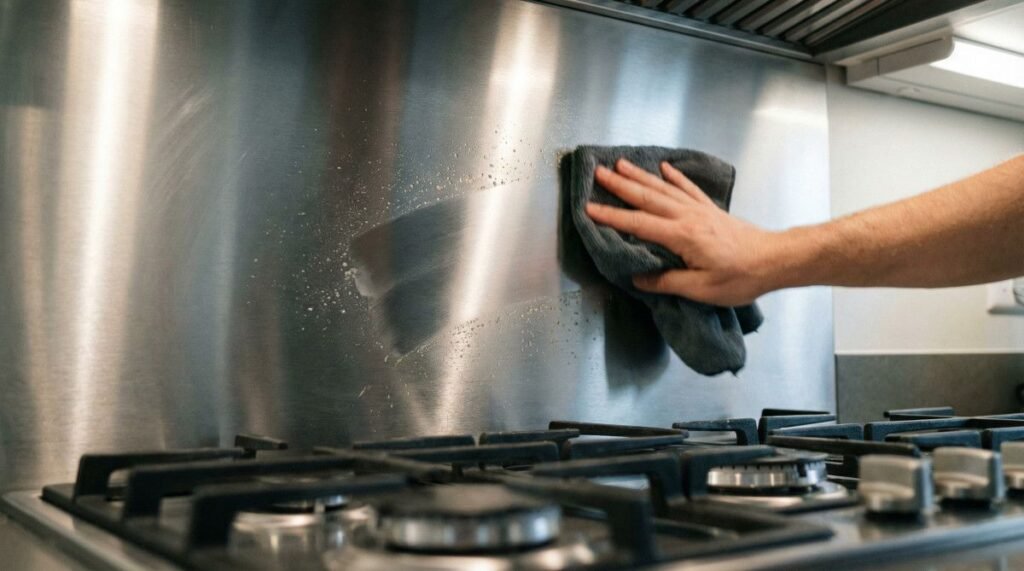
Tempered glass and stainless steel are among the easiest kitchen backsplash materials to clean because they offer non-porous, seamless surfaces. These materials, notes Meridian Residential Group solutions, resist grease, moisture, and bacteria without requiring specialized sealants or harsh chemicals. Homeowners looking for low-maintenance options should also favor large-format slabs over traditional tiles to eliminate difficult grout lines.
Selecting a backsplash involves balancing aesthetic appeal with long-term maintenance requirements. While many materials offer visual beauty, only a few provide the effortless cleaning experience necessary for high-traffic cooking zones. Non-porous surfaces ensure that common kitchen splatters, such as tomato sauce or oil, remain on the surface rather than penetrating the material.
Durability also plays a significant role in ease of maintenance. Materials that resist scratching and heat damage maintain their smooth finish longer, preventing microscopic crevices where grime can accumulate. By choosing a material that aligns with both design preferences and cleaning habits, homeowners can ensure their kitchen remains hygienic and visually appealing with minimal effort.
Tempered Glass Slabs for Seamless Maintenance
Tempered glass slabs are widely considered the easiest backsplash material to clean because they offer a completely non-porous, grout-free surface. These large panels are impervious to water, grease, and food stains, allowing for a simple wipe-down with a microfiber cloth and standard glass cleaner. Their heat-resistant properties make them ideal for installation behind stovetops.
The primary advantage of glass slabs is the absence of seams. Traditional tile installations rely on grout, which is naturally porous and prone to absorbing oils and developing mold or mildew over time. By using a single sheet of back-painted or clear tempered glass, you eliminate these high-maintenance areas, ensuring that the entire surface remains consistently easy to sanitize.
Glass also offers exceptional versatility in design. It can be customized with any color or pattern, providing a modern and sophisticated look that complements various kitchen styles. Because the color is applied to the back of the glass, it is protected from fading or scratching, ensuring the backsplash retains its pristine appearance for decades with very little intervention.
| Feature | Tempered Glass Slab | Glass Tile |
|---|---|---|
| Grout Lines | None | Minimal to Moderate |
| Cleaning Agent | Glass Cleaner / Soap | Glass Cleaner / Grout Cleaner |
| Stain Resistance | Excellent | Excellent (Tile) / Poor (Grout) |
| Installation Complexity | High (Professional) | Moderate (DIY Friendly) |
Stainless Steel Backsplashes for Professional Durability
Stainless steel is a premier choice for easy cleaning, offering a hygienic, non-porous surface that is standard in commercial kitchens worldwide. This material is completely resistant to heat, water, and acidic food splatters, making it virtually impossible to stain. A simple solution of warm water and mild dish soap is typically sufficient for daily maintenance.
One of the standout benefits of stainless steel is its antimicrobial properties. Unlike natural stone or wood, stainless steel does not harbor bacteria or viruses, which is crucial for maintaining a food-safe environment. While it can show fingerprints or water spots, these are easily managed with specialized stainless steel polishes that leave a protective, streak-free coating on the metal.
For the easiest cleaning experience, homeowners should opt for flat sheets rather than embossed or textured patterns. Smooth surfaces allow for a continuous wiping motion without snagging or leaving residue in recessed areas. Stainless steel also reflects light, which can help brighten a kitchen and make smaller spaces feel more expansive and open.
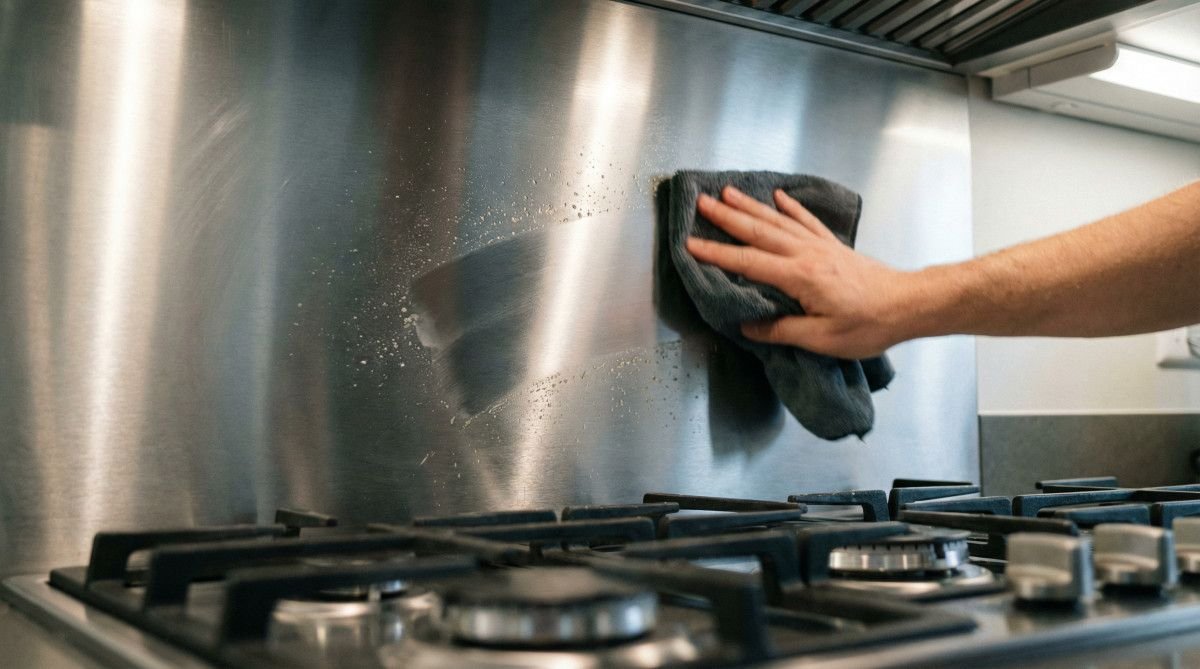
While stainless steel is incredibly durable, it is susceptible to scratching if abrasive cleaners or scouring pads are used. It is essential to wipe in the direction of the metal’s grain to maintain its luster and prevent visible wear. Despite this, its longevity and resistance to common kitchen hazards make it a top-tier low-maintenance option.
Engineered Quartz Slabs for Stain Resistance
Engineered quartz slabs provide a high-end look with exceptional ease of cleaning due to their resin-bound, non-porous structure. Unlike natural marble or granite, quartz does not require periodic sealing to prevent stains from penetrating the surface. This makes it a superior choice for homeowners who want the beauty of stone without the intensive maintenance schedule.
The manufacturing process of engineered quartz involves mixing crushed natural stone with polymer resins, creating a surface that is incredibly dense and resistant to impact. This density prevents liquids like red wine, coffee, or citrus juices from causing permanent discoloration. Most spills can be removed with a soft cloth and a pH-neutral cleaner or simple soap and water.
Using quartz as a full-height backsplash slab further enhances its cleaning efficiency by removing grout lines. This creates a cohesive transition from the countertop to the wall, resulting in a sleek, modern aesthetic. Because quartz is available in a vast array of colors and veining patterns, it can mimic the appearance of much more delicate natural stones while offering far greater practical utility.
| Material | Sealing Required | Porousness | Maintenance Level |
|---|---|---|---|
| Engineered Quartz | No | Non-Porous | Low |
| Natural Granite | Yes (Annual) | Porous | Moderate |
| Natural Marble | Yes (Bi-Annual) | Highly Porous | High |
Glazed Porcelain and Ceramic Tile Options
Glazed porcelain and ceramic tiles are excellent easy-to-clean options when installed with high-quality, stain-resistant epoxy grout. The glazing process creates a glass-like surface on the tile that is impervious to moisture and stains. Porcelain, in particular, is fired at higher temperatures than ceramic, making it denser and more resistant to chipping or cracking in busy kitchens.
To maximize the ease of cleaning with tile, homeowners should select large-format tiles. Larger tiles mean fewer grout lines, which are the most common areas for dirt and grease to accumulate. When combined with epoxy grout—which is non-porous and does not require sealing—a tile backsplash can rival the maintenance ease of solid slab materials while offering more design flexibility.
Cleaning glazed tiles is straightforward, requiring only a damp cloth and a mild detergent. Avoid using abrasive powders that could dull the glazed finish over time. For the best results, a quick daily wipe-down prevents grease from hardening, ensuring that the backsplash remains bright and clean with minimal effort during deep-cleaning sessions.
- Wipe the surface with a dry microfiber cloth to remove loose dust and debris.
- Apply a mild, non-abrasive detergent solution to a soft sponge or cloth.
- Wipe the tiles in a circular motion, paying extra attention to areas near the cooktop.
- Rinse with a clean, damp cloth and dry immediately to prevent water spots.
Solid Surface Materials for Seamless Integration
Solid surface materials, such as Corian, offer a unique advantage for ease of cleaning because they can be installed with inconspicuous seams and integrated coved backsplashes. This creates a single, continuous surface from the countertop up the wall, leaving no corners or crevices where grime, mold, or bacteria can hide during daily kitchen use.
These materials are entirely non-porous and consistent throughout their thickness, meaning they do not require sealing and are highly resistant to staining. If a solid surface backsplash does sustain a minor scratch or burn, it can often be sanded out and buffed back to its original finish, a feature not found in glass, stone, or metal options.
While solid surface materials are not as heat-resistant as stainless steel or tempered glass, they are perfectly suitable for most kitchen areas when installed with proper clearances. Their smooth, matte, or semi-gloss finishes are easy to maintain with standard household cleaners, making them a practical choice for families seeking a modern, integrated look with minimal upkeep.
Frequently Asked Questions
What is the most low maintenance backsplash?
The most low maintenance backsplash is a tempered glass slab or a stainless steel sheet. Both materials are non-porous, heat-resistant, and lack grout lines, which are the primary source of cleaning difficulties in traditional tile installations. A simple wipe with soap and water is usually all that is required for maintenance.
Is tile or slab backsplash easier to clean?
Slab backsplashes are significantly easier to clean than tile because they eliminate grout lines. Grout is porous and tends to trap grease, moisture, and food particles, often requiring specialized cleaners and scrubbing. Slabs provide a continuous, smooth surface that can be wiped clean in seconds without snagging or harboring bacteria.
Does quartz backsplash need to be sealed?
No, engineered quartz backsplashes do not need to be sealed. Unlike natural stones like granite or marble, quartz is a non-porous material made from stone aggregates and resin. This construction prevents liquids from soaking into the surface, making it naturally resistant to stains and bacteria without any additional chemical treatments.
How do I clean grease off a kitchen backsplash?
To clean grease off a kitchen backsplash, use a mixture of warm water and a degreasing dish soap. For stubborn buildup on non-porous surfaces like glass or metal, a solution of equal parts water and white vinegar can be effective. Always use a soft microfiber cloth to avoid scratching the surface while wiping away the residue.
Are glass backsplashes hard to keep clean?
Glass backsplashes are actually very easy to keep clean because they are non-porous and do not stain. While they may show fingerprints or water spots more easily than textured materials, these marks can be removed instantly with a quick spray of glass cleaner and a dry cloth, maintaining a high-gloss, hygienic finish.
What is the best grout for easy cleaning?
The best grout for easy cleaning is epoxy grout. Unlike traditional cement-based grout, epoxy grout is non-porous and does not require sealing. It is highly resistant to stains, moisture, and chemicals, making it the ideal choice for tile backsplashes in areas prone to heavy cooking splatters and frequent cleaning.
Choosing the right backsplash material significantly impacts the daily functionality and hygiene of a kitchen. By prioritizing non-porous, seamless options like tempered glass, stainless steel, or engineered quartz slabs, homeowners can drastically reduce the time and effort required for maintenance. These materials not only provide a modern and sophisticated aesthetic but also ensure a durable surface that withstands the rigors of a busy cooking environment. Ultimately, the easiest backsplash to clean is one that eliminates grout and resists the absorption of common kitchen contaminants.
