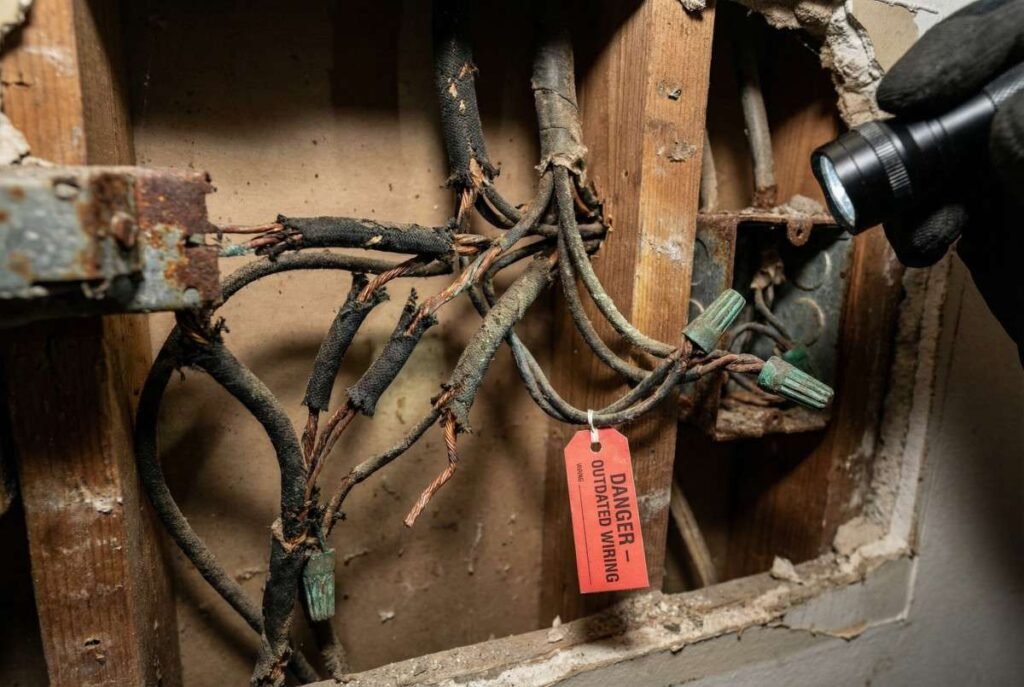
Determining if your home’s electrical wiring is outdated is crucial for preventing hazards like electrical fires and shocks, as older systems often cannot safely meet modern power demands.
Many homes built several decades ago were not designed to handle the extensive electrical load of today’s appliances and devices. Recognizing the signs of an aging electrical system can help homeowners take proactive steps to ensure safety and prevent costly damage says Bartsch Management team.
Frequent Breaker Trips or Blown Fuses
Frequent circuit breaker trips or blown fuses often indicate an overloaded electrical system struggling to meet current demands. This issue typically arises when too many high-power devices are connected to a single circuit, causing the breaker to trip as a safety measure. According to the Electrical Safety Foundation International (ESFI), electrical malfunctions cause over 50,000 house fires annually, many of which are preventable by addressing overloaded circuits [1].
If your circuit breakers trip regularly, or fuses blow frequently, it suggests that your home’s wiring is overburdened. Modern homes utilize resettable circuit breakers, while older systems might still rely on single-use fuses. Consistent tripping or blowing signifies that the electrical system is not adequately equipped for contemporary power consumption, necessitating an inspection by a qualified electrician.
Flickering, Dimming, or Buzzing Lights
Flickering, dimming, or buzzing lights are common indicators of underlying electrical problems, often stemming from voltage fluctuations, loose connections, or circuits operating beyond their capacity. These symptoms can become more noticeable when high-power appliances, such as microwaves or air conditioners, are in use, drawing significant current from the same circuit. William Burke, division manager of electrical engineering for the National Fire Protection Association (NFPA), notes that while light fixtures typically draw minimal power, dimming or flickering often points to issues with energy-intensive appliances on the same circuit [2].
A buzzing sound emanating from fixtures or outlets is a serious warning sign, potentially indicating arcing or damaged insulation within the wiring. Such issues compromise the reliability and safety of the electrical system, making professional evaluation essential.
Warm or Discolored Outlets and Switches
Warm or discolored outlets and switches are critical warning signs of potential fire hazards, often resulting from overloaded circuits, loose connections, or failing insulation. These problems are particularly prevalent in homes with outdated materials, such as aluminum wiring, which was commonly installed in the 1960s and 1970s. Aluminum wiring is known for its tendency to expand and contract more than copper, increasing the likelihood of loose connections and heat buildup over time. According to Havelights.com, visible signs of wear or damage, such as cracked casing, discoloration near outlets, or scorch marks, demand immediate professional attention [3].
If an outlet feels warm to the touch or exhibits any signs of damage, it should be immediately disconnected from use, and a licensed electrician should be contacted. These symptoms can indicate a hidden hazard that poses a significant risk to your home and its occupants.
Two-Prong Outlets and Lack of Grounding
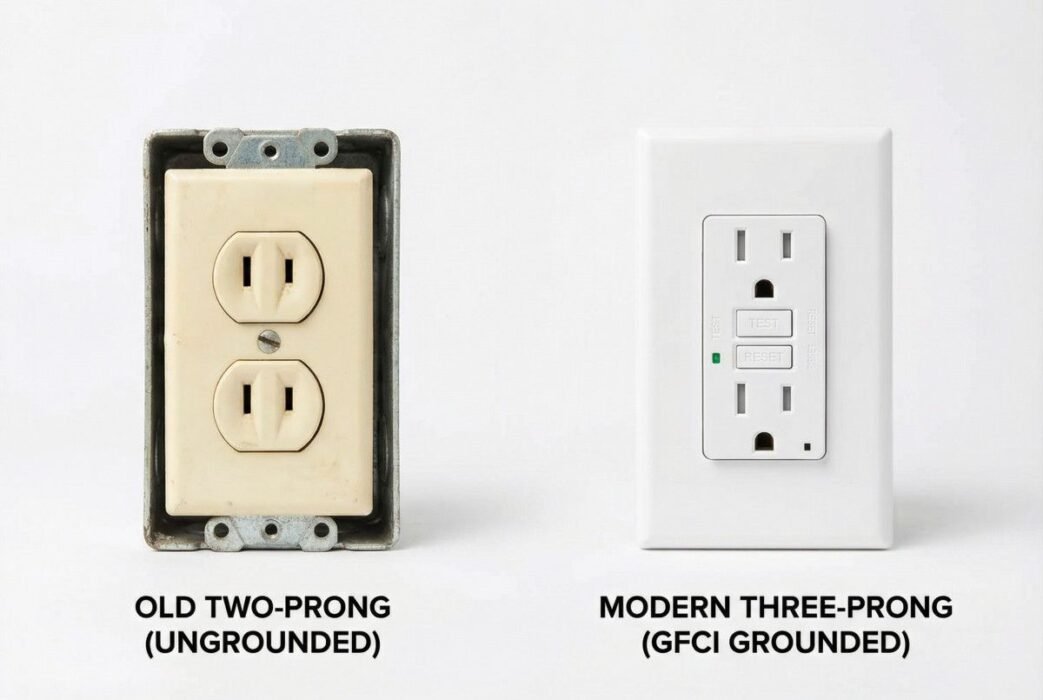
The presence of two-prong outlets and a general lack of grounding are clear indicators of an older electrical system that predates modern safety standards. Unlike three-prong outlets, which include a dedicated ground wire to safely dissipate excess electricity, two-prong outlets offer no such protection. This absence significantly elevates the risk of electric shock, short circuits, and electrical fires. Noonan Energy highlights that ungrounded outlets were standard in homes built before grounding became a part of the electrical code, making their presence a strong sign of outdated wiring [4].
Beyond safety concerns, ungrounded outlets can also damage sensitive electronics and appliances. Relying on 3-to-2 prong adapters is not a safe alternative, as they do not provide true grounding. Upgrading to grounded, three-prong outlets or considering a full home rewiring is essential for ensuring safety and compatibility with contemporary electrical devices.
Knob-and-Tube or Aluminum Wiring
The presence of knob-and-tube or aluminum wiring systems is a definitive sign of outdated electrical infrastructure, posing significant safety risks. Knob-and-tube wiring, prevalent from the late 1800s to the mid-1900s, lacks a grounding wire and consists of individual wires supported by ceramic knobs and tubes. Aluminum wiring, commonly used in the 1960s and 1970s, is prone to overheating and loosening at connection points due to its expansion and contraction properties. Both types are considered hazardous and do not meet current electrical codes. Noonan Energy advises that signs of these materials may be visible in unfinished areas like basements or attics, and homeowners should never attempt to modify them independently [4].
A licensed electrician must evaluate these systems to recommend appropriate upgrades, which may include complete replacement or retrofitting with safer connections. Addressing these antiquated wiring types is crucial for mitigating fire risks and ensuring the overall safety of the home.
Differentiated Modules
Module 1: Electrical System Age and Inspection
Homes over 40 years old often feature electrical systems that are not equipped to handle the demands of modern living, including numerous smart devices, home offices, and multiple large appliances. Even without obvious problems, age alone can be a significant warning sign. The Consumer Product Safety Commission (CPSC) recommends that homeowners have their electrical systems inspected by a professional every 10 years, regardless of visible issues [2].
An aging electrical system may lack the necessary grounding, safety features, and circuit capacity required by current electrical codes and insurance providers. Regular professional inspections can identify potential issues before they escalate into serious hazards, ensuring compliance and peace of mind.
Module 2: The Importance of Ground Fault Circuit Interrupters (GFCIs)
The absence of Ground Fault Circuit Interrupters (GFCIs) in moisture-prone areas like bathrooms, kitchens, and outdoor spaces is a strong indicator of outdated wiring. GFCIs are designed to rapidly shut off electrical power upon detecting a current imbalance, thereby preventing severe electric shocks and electrocution. These devices have been a mandatory component of the National Electric Code since the 1970s, underscoring their importance in modern electrical safety standards. Noonan Energy emphasizes that homes with older wiring often lack GFCIs, making their installation a necessary upgrade for enhanced safety [4].
Upgrading to GFCI outlets in these critical areas provides an essential layer of protection, significantly reducing the risks associated with electrical accidents in environments where water and electricity can interact.
Frequently Asked Questions
Q1: How often should I have my home’s electrical system inspected?
A1: It is recommended to have your home’s electrical system inspected by a qualified electrician every 10 years for owned homes and every 5 years for rental properties. Additionally, inspections are crucial before purchasing an older home or undertaking major renovations.
Q2: Can outdated wiring affect my home insurance?
A2: Yes, many insurance providers may increase premiums or deny coverage if a home has outdated wiring, such as knob-and-tube or aluminum. Some insurers require proof of electrical upgrades or documentation before issuing or renewing policies.
Q3: What are the dangers of using extension cords as a permanent solution?
A3: Extension cords are not designed for continuous, long-term use and can overheat, posing a significant fire risk, especially in homes with already strained older wiring. It is safer to have a licensed electrician install additional permanent outlets or circuits.
Q4: What is the typical lifespan of residential electrical wiring?
A4: Most residential electrical wiring systems can last between 50 to 70 years, depending on the materials used and the quality of installation. However, systems with aluminum or knob-and-tube wiring may have a shorter lifespan and require earlier evaluation.
Q5: Should I attempt to fix outdated wiring myself?
A5: No, electrical work, especially involving outdated systems, can be highly dangerous and should only be performed by a licensed and qualified electrician. Improper repairs can lead to severe safety hazards, including electric shock and fires.
Q6: What is the difference between a circuit breaker and a fuse?
A6: Both circuit breakers and fuses protect electrical circuits from overcurrent. A circuit breaker is a resettable switch that trips when an overload occurs, while a fuse contains a wire that melts and breaks the circuit, requiring replacement after it blows.
Q7: How can I determine if my home has aluminum wiring?
A7: Aluminum wiring was commonly used in homes built from the mid-1960s to the mid-1970s. You might be able to spot it in unfinished areas like basements, attics, or near the electrical panel. It typically has a silver-gray color. Always consult a professional electrician for a definitive assessment.
Q8: Are GFCIs required in all areas of a home?
A8: GFCIs are specifically required in areas where water and electricity may come into contact, such as bathrooms, kitchens, laundry rooms, garages, and outdoor outlets. They are designed to protect against ground faults and reduce the risk of electric shock in these environments.
Conclusion
Identifying outdated home electrical wiring is a critical aspect of maintaining a safe and functional living environment. Recognizing signs such as frequent breaker trips, flickering lights, warm outlets, and the presence of two-prong or antiquated wiring types like knob-and-tube or aluminum is the first step toward mitigating potential hazards. Proactive measures, including regular professional inspections and necessary upgrades, are essential to ensure your home’s electrical system meets modern safety standards and can safely support contemporary power demands. Investing in these updates protects your property, enhances energy efficiency, and provides invaluable peace of mind.
References
[1] Electrical Safety Foundation International. (ESFI). (Year not specified). *Electrical Malfunctions Cause Over 50,000 House Fires Annually*. https://www.esfi.org/electrical-safety-statistics/
