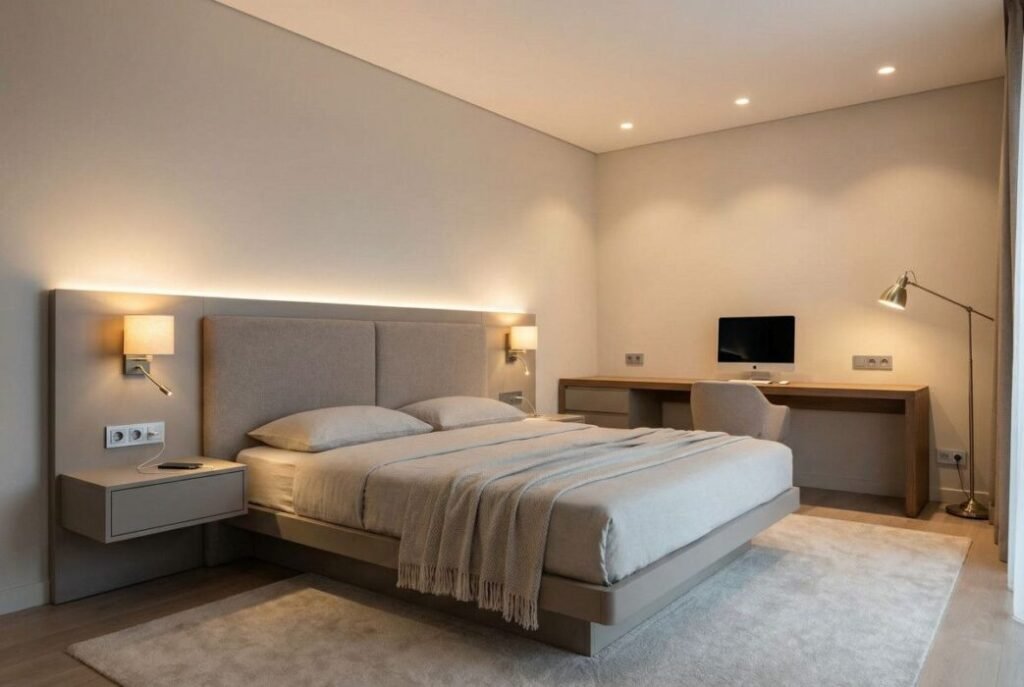
The National Electrical Code (NEC) mandates specific requirements for electrical outlet placement in bedrooms to ensure safety and functionality, typically requiring outlets every 12 feet along a wall and within 6 feet of door openings. This ensures convenient access to power for various devices and reduces the need for extension cords, enhancing both safety and practical utility in residential spaces says Clockwork Corona.
NEC Requirements for Bedroom Outlets
The National Electrical Code (NEC) stipulates that no point along the floor line of any wall space in a bedroom should be more than 6 feet (1.8 meters) from an electrical receptacle outlet, effectively requiring outlets every 12 feet. Additionally, an outlet must be installed within 6 feet of any door opening. According to the National Fire Protection Association (NFPA), these guidelines are crucial for preventing electrical hazards and ensuring adequate access to power in residential settings.
Practical Placement Considerations
Beyond code requirements, practical placement of bedroom outlets involves anticipating furniture layouts and device usage to maximize convenience and minimize visible cords. Consider locations near nightstands, desks, and entertainment centers, ensuring easy access for charging phones, laptops, and other electronics. According to Design with Frank, strategic placement can significantly enhance the functionality and aesthetic appeal of a bedroom.
Future-Proofing Your Bedroom Outlets
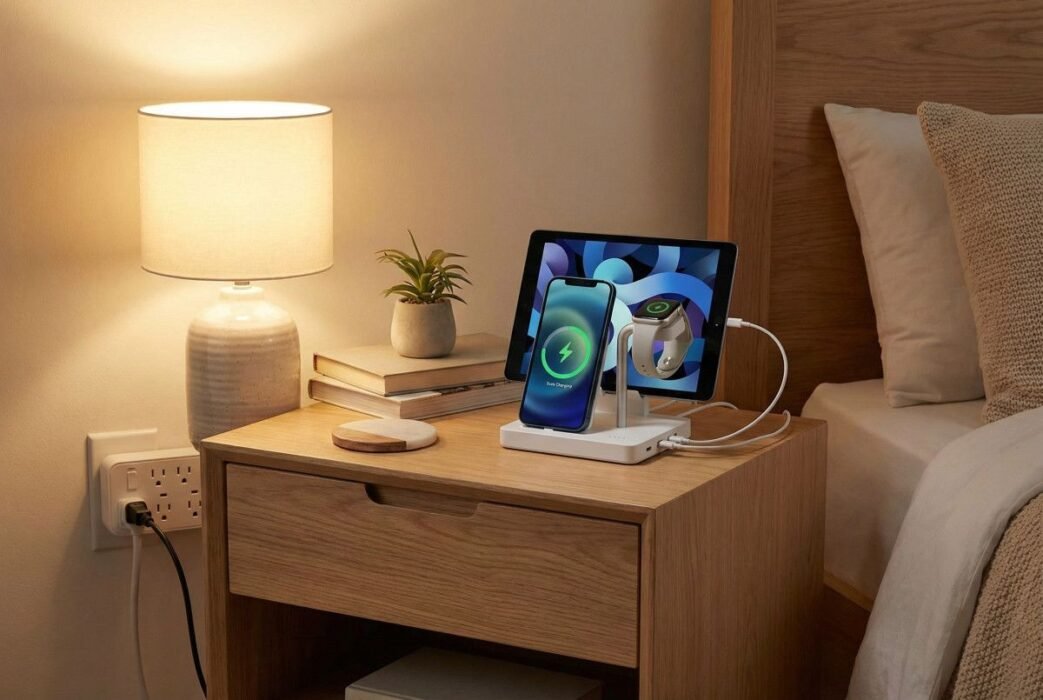
To future-proof bedroom electrical outlets, consider installing more than the minimum required by code, incorporating USB charging ports, and planning for potential smart home device integration. This proactive approach accommodates evolving technological needs and avoids the necessity of extensive electrical modifications later. Mister Sparky suggests that upgrading wall outlets can boost convenience, improve safety, and future-proof a home’s electrical system.
Types of Outlets for Bedrooms
Modern bedrooms benefit from a variety of outlet types beyond the standard duplex receptacle, including those with integrated USB ports and smart functionalities. USB outlets eliminate the need for bulky adapters, providing convenient charging for mobile devices directly from the wall. Smart outlets offer remote control and scheduling capabilities for lamps and other electronics, enhancing convenience and energy efficiency. According to The Home Depot, understanding these different types allows homeowners to select the best options for their specific needs.
How many outlets are required by code in a bedroom?
The National Electrical Code (NEC) generally requires that no point along the floor line of any wall space in a bedroom be more than 6 feet from an electrical receptacle outlet, effectively meaning outlets should be spaced every 12 feet. Additionally, an outlet must be within 6 feet of any door opening.
Can I install USB outlets in my bedroom?
Yes, you can install USB outlets in your bedroom. These outlets are designed to provide convenient charging for devices like smartphones and tablets without the need for separate adapters. They are a popular choice for modernizing electrical systems.
Are GFCI outlets necessary in bedrooms?
GFCI (Ground-Fault Circuit Interrupter) outlets are typically not required in bedrooms unless the outlet is located within 6 feet of a water source, such as a bathroom sink that opens directly into the bedroom. Their primary purpose is to protect against electrical shock in wet locations.
What is the recommended height for bedroom outlets?
While the NEC does not specify a mandatory height, the standard practice for residential installations is to place outlets approximately 12 to 16 inches from the finished floor to the bottom of the outlet plate. This low placement is generally for aesthetic reasons and to keep cords less visible.
How can I determine the best placement for outlets around my bed?
To determine optimal placement around your bed, consider your bed’s size and orientation, as well as the location of nightstands. It is advisable to have at least two outlets on each side of the bed, positioned to be easily accessible for lamps, phone chargers, and other bedside electronics without obstruction from furniture.
Should I consider smart outlets for my bedroom?
Smart outlets can be a valuable addition to a bedroom, offering features like remote control, scheduling, and energy monitoring for connected devices. They can enhance convenience and contribute to a more energy-efficient home, especially for items like lamps or fans.
Conclusion
Strategic planning for bedroom electrical outlets goes beyond merely meeting code requirements; it involves anticipating lifestyle needs, embracing technological advancements, and prioritizing safety. By carefully considering the number, placement, and types of outlets, homeowners can create a functional, convenient, and future-ready living space that supports modern demands while adhering to essential safety standards. Investing in a well-designed electrical layout not only enhances daily comfort but also contributes to the long-term value and adaptability of a home.
