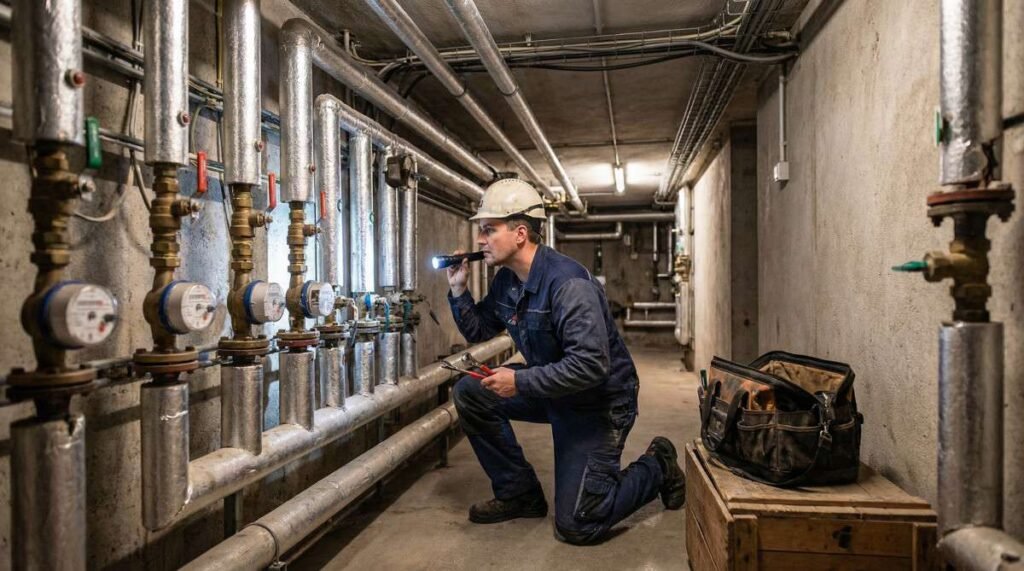
Multi-unit properties, such as apartment complexes, condominiums, and commercial buildings, present unique challenges when it comes to plumbing repairs. Unlike single-family homes, these structures feature intricate interconnected systems that demand specialized knowledge and approaches. A seemingly minor issue in one unit can quickly escalate, affecting multiple residents or even the entire building says KRS Holdings. This comprehensive guide delves into the complexities of multi-unit plumbing, offering insights into common problems, preventative maintenance strategies, and the importance of professional expertise to ensure the longevity and efficiency of these vital systems.
Understanding the Unique Challenges of Multi-Unit Plumbing
The plumbing infrastructure in multi-unit buildings is significantly more complex than that of individual residences. It involves a network of shared pipes, risers, and drainage systems that serve numerous units simultaneously. This interconnectedness means that a problem originating in one part of the system can have far-reaching consequences. For instance, a blockage in a main drain line can cause backups in multiple apartments, leading to widespread inconvenience and potential property damage. The sheer scale and density of these systems necessitate a proactive and holistic approach to maintenance and repair, focusing on the entire building’s plumbing health rather than isolated incidents.
Moreover, multi-unit properties often house a diverse population with varying water usage habits, which can place additional strain on the plumbing system. High demand during peak hours, coupled with the aging infrastructure common in many older buildings, can exacerbate existing issues or create new ones. Identifying the root cause of a plumbing problem in such an environment requires a deep understanding of hydraulic principles, building codes, and the specific layout of the property. Without this specialized expertise, attempts at repair can be inefficient, costly, and may even lead to further complications, underscoring the need for experienced professionals.
Common Plumbing Issues in Multi-Unit Dwellings
Multi-unit properties are susceptible to a range of plumbing problems, many of which are exacerbated by the shared nature of their systems. One of the most frequent issues is drain blockages, often caused by the accumulation of grease, hair, and foreign objects from multiple units. These blockages can lead to slow drains, foul odors, and eventually, complete backups. Another prevalent problem is leaks, which can occur in pipes, fixtures, or water heaters. Due to the concealed nature of much of the plumbing, leaks can go undetected for extended periods, causing significant water damage, mold growth, and structural integrity issues within walls and ceilings.
Water pressure fluctuations are also common, often stemming from issues with the building’s main water supply, pressure regulators, or sediment buildup in pipes. Low water pressure can be a nuisance for residents, while excessively high pressure can damage fixtures and appliances. Furthermore, aging infrastructure, including corroded pipes and outdated water heaters, frequently leads to breakdowns and inefficiencies. These issues not only disrupt daily life for residents but also contribute to higher utility bills and increased maintenance costs for property managers. Addressing these problems effectively requires a systematic approach and often involves specialized equipment for diagnosis and repair.
Preventative Maintenance Strategies for Shared Plumbing Systems
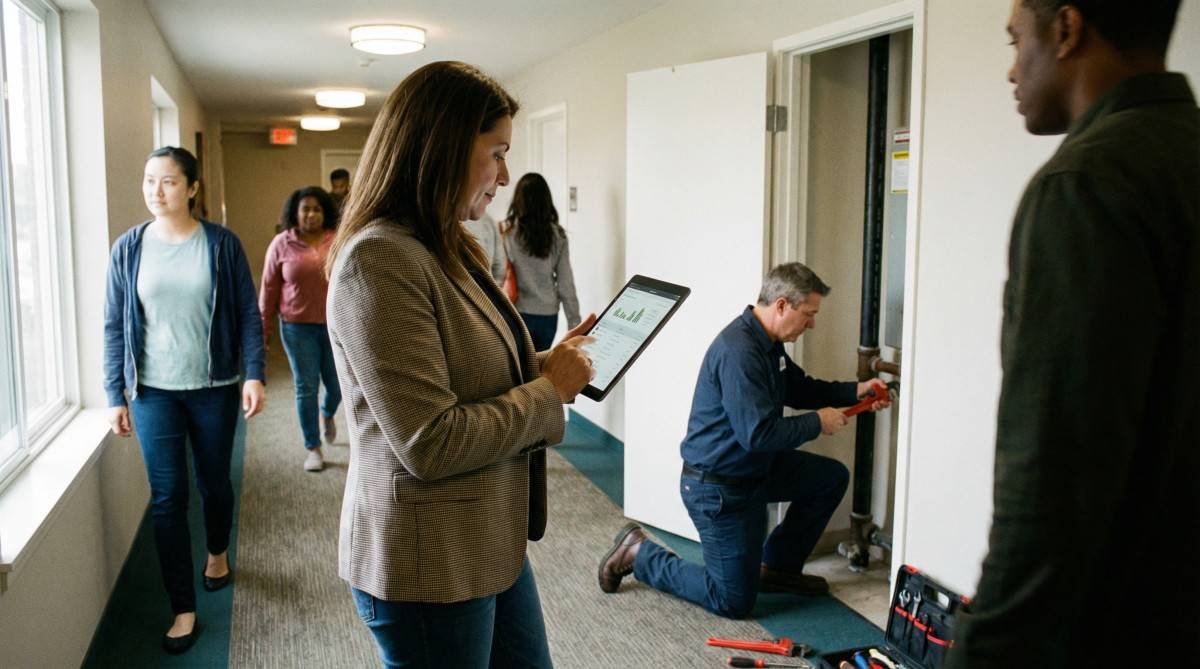
Implementing a robust preventative maintenance program is paramount for multi-unit properties to avoid costly and disruptive plumbing emergencies. Regular inspections by qualified plumbers can identify potential issues before they escalate. This includes checking for leaks, assessing water pressure, inspecting water heaters, and evaluating the condition of pipes and drains. Drain cleaning services, performed on a scheduled basis, can prevent the buildup of debris and significantly reduce the incidence of blockages. Furthermore, educating residents on proper waste disposal and water conservation practices can play a crucial role in minimizing strain on the plumbing system.
Another key aspect of preventative maintenance involves upgrading outdated components. Replacing old, corroded pipes with modern materials like PEX or copper can prevent leaks and improve water quality. Similarly, upgrading to energy-efficient water heaters can reduce operational costs and ensure a consistent hot water supply for all units. Investing in smart plumbing technology, such as leak detection sensors, can provide early warnings of problems, allowing for prompt intervention. A well-planned maintenance schedule not only extends the lifespan of the plumbing infrastructure but also enhances resident satisfaction and protects the property’s value.
The Importance of Professional Expertise in Multi-Unit Repairs
Given the intricate nature of multi-unit plumbing systems, the involvement of experienced and specialized plumbing professionals is indispensable. Attempting DIY repairs or hiring unqualified individuals can lead to more severe problems, costly damage, and potential liability issues. Professional plumbers possess the necessary training, tools, and understanding of local building codes to accurately diagnose complex issues and implement effective, long-lasting solutions. They can navigate the challenges of shared systems, identify the source of problems that might span multiple units, and ensure repairs comply with all safety and regulatory standards.
Furthermore, professional plumbing services often come with warranties, providing peace of mind for property managers and owners. Their expertise extends beyond simple repairs to include comprehensive system assessments, strategic upgrades, and emergency response capabilities. In a multi-unit environment, rapid and efficient problem resolution is critical to minimize disruption to residents and prevent extensive property damage. Partnering with a reputable plumbing company ensures that the building’s plumbing infrastructure is maintained to the highest standards, safeguarding the investment and well-being of all occupants.
Cost Considerations and Long-Term Value
When evaluating plumbing repairs and maintenance for multi-unit properties, cost is a significant factor, but it should always be weighed against long-term value. While upfront costs for professional services or system upgrades might seem substantial, they often represent a wise investment that prevents more expensive problems down the line. For example, addressing a small leak promptly can prevent extensive water damage, mold remediation, and structural repairs that could cost tens of thousands of dollars. Similarly, investing in preventative maintenance reduces the frequency of emergency calls and extends the lifespan of expensive plumbing components.
Consider the following comparison of plumbing repair approaches:
| Approach | Initial Cost | Long-Term Savings | Risk of Future Issues | Resident Impact |
|---|---|---|---|---|
| DIY / Unqualified Repair | Low | Minimal (potential for increased costs) | High | High (disruption, repeated issues) |
| Reactive Professional Repair | Moderate to High | Moderate | Moderate | Moderate (emergency disruptions) |
| Proactive Professional Maintenance | Moderate | High | Low | Low (planned, minimal disruption) |
This table illustrates that while DIY or reactive approaches might appear cheaper initially, they often lead to higher overall costs due to recurring problems, emergency situations, and potential property damage. Proactive professional maintenance, on the other hand, offers the best long-term value by minimizing risks, reducing emergency repairs, and ensuring the continuous, efficient operation of the plumbing system. This approach not only saves money but also enhances the reputation of the property and the satisfaction of its residents.
Frequently Asked Questions About Multi-Unit Plumbing
What are the most common plumbing problems in apartments?
The most common plumbing problems in multi-unit dwellings include drain blockages (often from grease and hair), leaky pipes and fixtures, low or fluctuating water pressure, and issues with shared water heaters or main supply lines. These problems can affect multiple units due to the interconnected nature of the building’s plumbing system.
How can property managers prevent widespread plumbing issues?
Property managers can prevent widespread issues by implementing a comprehensive preventative maintenance program. This includes regular professional inspections, scheduled drain cleaning, prompt repair of minor leaks, and educating residents on proper plumbing usage. Upgrading aging infrastructure and installing leak detection systems also contribute significantly.
Why is professional plumbing service essential for multi-unit buildings?
Professional plumbing service is essential due to the complexity of multi-unit systems. Experts have the specialized knowledge, tools, and understanding of building codes to accurately diagnose and repair issues that can affect multiple units. Their expertise ensures efficient, long-lasting solutions and minimizes disruption and potential damage.
What should residents do if they notice a plumbing problem?
Residents should immediately report any plumbing problems, such as leaks, clogs, or unusual noises, to their property manager or building maintenance. Prompt reporting allows for quick intervention, preventing the issue from escalating and affecting other units or causing significant property damage.
Are there any technological solutions for multi-unit plumbing maintenance?
Yes, several technological solutions can aid multi-unit plumbing maintenance. These include smart leak detection sensors that provide early warnings, remote monitoring systems for water usage and pressure, and advanced pipe inspection cameras for diagnosing hidden issues without extensive demolition. These technologies help in proactive problem-solving.
Conclusion
Effective management of multi-unit plumbing repairs is a critical aspect of property ownership and management. The inherent complexities of shared systems demand a strategic, proactive approach that prioritizes preventative maintenance and relies on the expertise of qualified plumbing professionals. By understanding common challenges, investing in regular upkeep, and making informed decisions about repairs and upgrades, property managers can ensure the smooth operation of their plumbing infrastructure. This not only safeguards the property from costly damage but also enhances the living experience for residents, contributing to the overall value and reputation of the multi-unit dwelling.
