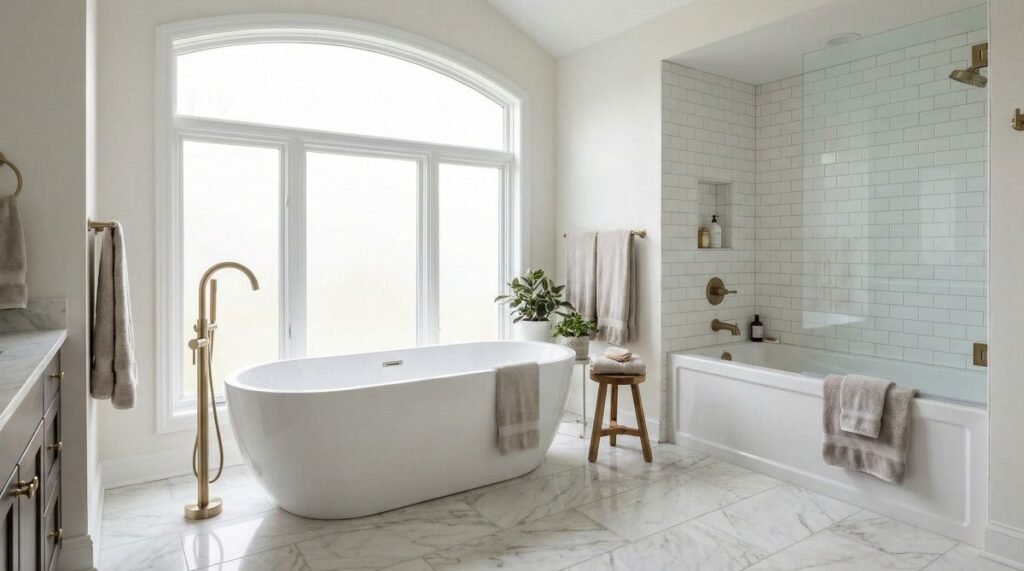
When planning a bathroom remodel, one of the most significant decisions homeowners face is choosing the right bathtub. The debate between a freestanding tub and a built-in tub is a common one, as both options offer distinct advantages and potential drawbacks. A bathtub is not just a functional fixture; it serves as a focal point that can dictate the entire aesthetic and feel of your bathroom space. Understanding the nuances of each type is crucial for making an informed decision that aligns with your lifestyle, budget, and design preferences, notes Indiana Property Management solutions.
Freestanding tubs have surged in popularity in recent years, often associated with luxury, spa-like retreats, and high-end design. They stand alone, unattached to any walls, and come in a variety of shapes, materials, and styles, from classic clawfoot designs to sleek, contemporary ovals. On the other hand, built-in tubs, also known as alcove or drop-in tubs, have been the standard in residential construction for decades. They are installed flush against one or more walls and are often combined with a shower setup, maximizing space efficiency and practicality.
This comprehensive guide will delve into the specific pros and cons of both freestanding and built-in tubs. We will explore critical factors such as installation complexity, space requirements, maintenance, and how each choice might impact your home’s resale value. By weighing these elements carefully, you can determine which bathtub style will best serve your needs and elevate your bathroom renovation project.
Cost and Budget Considerations
The financial aspect is often the primary driver in any home renovation project, and the choice between a freestanding and a built-in tub is no exception. Generally, freestanding tubs carry a higher initial purchase price compared to their built-in counterparts. A quality acrylic freestanding tub can start around $1,000, while cast iron or solid surface models can easily exceed $3,000 to $5,000. This premium pricing reflects the design appeal and the materials used to create a finished look on all sides of the fixture.
Conversely, built-in tubs are typically more budget-friendly upfront. A standard enameled steel or fiberglass alcove tub can be purchased for as little as $300 to $600. Even higher-end cast iron drop-in models usually top out around $1,500. However, the purchase price is only one part of the equation. Built-in tubs require a surround—often tiled or made of solid surface material—which adds significantly to the total cost of materials and labor. When factoring in the cost of framing, waterproofing, and tiling the alcove, the final price tag for a built-in tub can sometimes approach or even exceed that of a freestanding model.
Furthermore, the plumbing requirements for freestanding tubs can introduce additional expenses. Because the tub is not positioned against a wall, the plumbing lines must often be routed through the floor. This can require extensive modifications to the subfloor and joists, especially in older homes or second-story bathrooms. Floor-mounted tub fillers are also generally more expensive than standard wall-mounted faucets, adding another layer of cost to the freestanding option. Therefore, a thorough budget analysis must include both the fixture price and the anticipated installation expenses.
Installation Complexity and Plumbing
Installation complexity varies significantly between the two tub styles, impacting both the timeline and the cost of your bathroom remodel. Built-in tubs are generally considered easier and more straightforward to install, particularly in standard bathroom layouts. Because they are designed to fit into a three-wall alcove, the plumbing is typically routed through the adjacent walls, which is standard practice in residential construction. This makes replacing an existing built-in tub with a new one a relatively simple process for an experienced plumber or contractor.
The installation of a built-in tub involves securing the tub to the wall studs, ensuring it is perfectly level, and then finishing the surrounding walls with a waterproof material like tile or an acrylic surround. While the tiling process requires skill and time, the structural and plumbing aspects are well-understood and routine. This predictability often translates to lower labor costs and fewer unexpected complications during the renovation process.
In contrast, installing a freestanding tub can be considerably more complex. As mentioned earlier, the plumbing must often come up through the floor, which requires precise planning and execution. The floor structure must be assessed to ensure it can support the significant weight of the tub, especially when filled with water and an occupant. Cast iron or stone resin freestanding tubs are exceptionally heavy, sometimes necessitating structural reinforcement of the floor joists before installation can even begin. Additionally, positioning the tub and the floor-mounted filler requires exact measurements to ensure proper clearance and functionality, leaving less room for error compared to a standard alcove installation.
Space Requirements and Bathroom Layout
The size and layout of your bathroom play a critical role in determining which tub style is most appropriate. Built-in tubs are the champions of space efficiency. By tucking neatly into a corner or an alcove, they maximize the available floor area, making them the ideal choice for smaller bathrooms or standard 5×8 foot layouts. Furthermore, built-in tubs are almost always designed to accommodate a showerhead, providing a versatile two-in-one bathing solution that is essential for many households, particularly those with only one full bathroom.
The space-saving nature of built-in tubs allows for more flexibility in placing other fixtures, such as the toilet and vanity. The ledge created by the tub surround also provides convenient storage space for shampoo bottles, soaps, and other bathing essentials, eliminating the need for additional shelving or caddies in the immediate bathing area. For practical, everyday use in a family home, the compact footprint of a built-in tub is hard to beat.
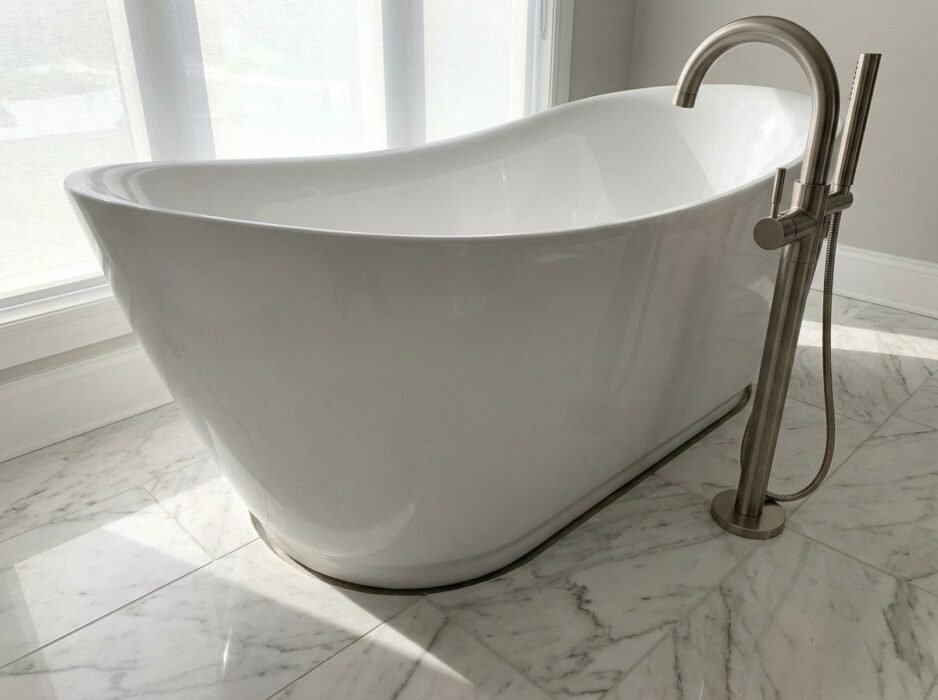
Freestanding tubs, however, demand space to truly shine. To achieve the desired aesthetic impact, a freestanding tub needs “breathing room” around it—typically at least 4 to 6 inches of clearance on all sides, and ideally more. Cramming a freestanding tub into a tight corner defeats its purpose as a standalone focal point and can make the bathroom feel cramped and cluttered. Therefore, they are best suited for larger master bathrooms where square footage is not a primary constraint. While it is possible to add a shower setup to a freestanding tub using a circular curtain rod, it is generally less practical and less effective at containing water than a standard alcove shower.
Cleaning, Maintenance, and Accessibility
When evaluating bathtubs, it is essential to consider the long-term maintenance and ease of cleaning. Built-in tubs generally offer an advantage in this area. Because they are sealed against the walls, there are fewer exposed surfaces to clean. The primary cleaning focus is the interior basin and the surrounding tile or wall material. While maintaining grout lines can be a chore, the tub itself is relatively straightforward to wipe down. The lack of gaps between the tub and the wall means there are no hard-to-reach crevices where dust, hair, and moisture can accumulate.
Freestanding tubs present a different set of cleaning challenges. The space between the tub and the wall, as well as the area underneath the tub (if it is on feet or a pedestal), can be notoriously difficult to access. Dust and debris inevitably collect in these tight spaces, requiring specialized cleaning tools or awkward maneuvering to keep the area sanitary. If the tub is positioned too close to a wall, cleaning behind it can become a significant frustration. Homeowners must be prepared for the extra effort required to maintain the pristine appearance of a freestanding tub and its surrounding floor area.
Accessibility is another crucial factor, particularly for aging-in-place or individuals with mobility issues. Built-in tubs typically have a lower step-over height, making them easier to enter and exit safely. They also provide sturdy adjacent walls where grab bars can be securely mounted. Freestanding tubs often have higher profiles and deeper basins, which can pose a tripping hazard or make getting in and out challenging. Furthermore, the lack of surrounding walls means there is nothing to hold onto for balance, making them less suitable for users with limited mobility unless specific safety measures are implemented.
Resale Value and Market Appeal
The impact of your bathtub choice on your home’s resale value depends heavily on the target market and the overall style of the property. In recent years, freestanding tubs have become highly sought after by homebuyers looking for a luxurious, spa-like master suite. A beautifully staged freestanding tub can serve as a major selling point, creating an emotional connection with potential buyers and elevating the perceived value of the home. In high-end real estate markets, a master bathroom without a freestanding tub might even be considered lacking by some discerning buyers.
However, this appeal is generally limited to master bathrooms. For secondary or family bathrooms, practicality reigns supreme. Homebuyers with children or those looking for functional efficiency typically prefer the convenience of a built-in tub/shower combination. Removing the only built-in tub in a house to install a freestanding one could potentially alienate a significant portion of the buyer pool, particularly young families who rely on a standard tub for bathing children.
Ultimately, the best approach for maximizing resale value is to strike a balance. If your home has multiple full bathrooms, featuring a freestanding tub in the master suite while retaining a built-in tub/shower combo in a secondary bathroom is often the most strategic move. This configuration caters to both the desire for luxury and the need for everyday practicality, appealing to the broadest range of potential buyers.
Comparison: Freestanding vs. Built-In Tubs
To help summarize the key differences, the following table provides a direct comparison of freestanding and built-in tubs across several critical criteria.
| Feature | Freestanding Tub | Built-In Tub |
|---|---|---|
| Initial Cost | Higher ($1,000 – $5,000+) | Lower ($300 – $1,500) |
| Installation Cost | Higher (often requires floor plumbing) | Lower (standard wall plumbing) |
| Space Required | Large (needs clearance on all sides) | Small (maximizes corner/alcove space) |
| Shower Capability | Poor (requires cumbersome curtain setups) | Excellent (designed for shower integration) |
| Cleaning Ease | Difficult (hard to reach behind and under) | Easy (fewer exposed surfaces) |
| Accessibility | Challenging (higher step-over, no walls for grab bars) | Better (lower profile, walls support grab bars) |
| Aesthetic Appeal | High (luxurious, focal point) | Standard (functional, blends in) |
The Verdict: Which is Right for You?
Choosing between a freestanding and a built-in tub ultimately comes down to a careful evaluation of your space, budget, and lifestyle priorities. If you are renovating a spacious master bathroom, have a generous budget, and prioritize a luxurious, high-end aesthetic, a freestanding tub is an excellent investment that can transform the room into a personal sanctuary. It serves as a stunning focal point and can significantly boost the appeal of your home to future buyers seeking a spa-like experience.
Conversely, if you are working with a standard 5×8 bathroom, have a tighter budget, or need a practical solution for a busy family, a built-in tub is undoubtedly the smarter choice. Its space-saving design, ease of cleaning, and seamless integration with a shower make it a highly functional and cost-effective option. For most households, ensuring there is at least one built-in tub/shower combination in the home is essential for everyday convenience and broad market appeal.
Frequently Asked Questions
Can I put a freestanding tub in a small bathroom?
While it is physically possible to fit a small freestanding tub into a compact bathroom, it is generally not recommended. Freestanding tubs require clearance around the edges for cleaning and visual impact. Placing one in a tight space can make the room feel cramped and make maintenance incredibly difficult. Built-in tubs are much better suited for small layouts.
Are freestanding tubs comfortable?
Yes, freestanding tubs can be very comfortable, especially models designed for soaking. They often feature deeper basins and ergonomic sloping backrests. However, comfort is subjective and depends on the specific shape and material of the tub. It is always advisable to “test drive” a tub by sitting in it at a showroom before making a purchase.
Do freestanding tubs make the bathroom colder?
Because freestanding tubs are exposed on all sides, the water inside can cool down slightly faster than in a built-in tub that is insulated by surrounding walls and framing. However, choosing a tub made from materials with high heat retention, such as cast iron or solid surface resin, can mitigate this issue significantly.
Is it harder to clean around a freestanding tub?
Yes, cleaning around a freestanding tub is typically more challenging than cleaning a built-in tub. Dust and moisture can accumulate in the narrow spaces between the tub and the walls, requiring specialized mops or getting down on your hands and knees to reach awkward angles. Proper spacing during installation is crucial to minimize this difficulty.
Can you add a shower to a freestanding tub?
You can add a shower to a freestanding tub by installing a ceiling-mounted or wall-mounted showerhead and using a circular or D-shaped curtain rod that encloses the entire tub. However, this setup is often considered less aesthetically pleasing and less effective at containing water splashes compared to a standard built-in alcove shower.
In conclusion, the decision between a freestanding and a built-in tub is a significant one that will impact the functionality, aesthetics, and value of your home. By carefully considering the pros and cons outlined in this guide—from cost and installation to space requirements and maintenance—you can confidently select the bathtub that perfectly aligns with your renovation goals and enhances your daily routine.
