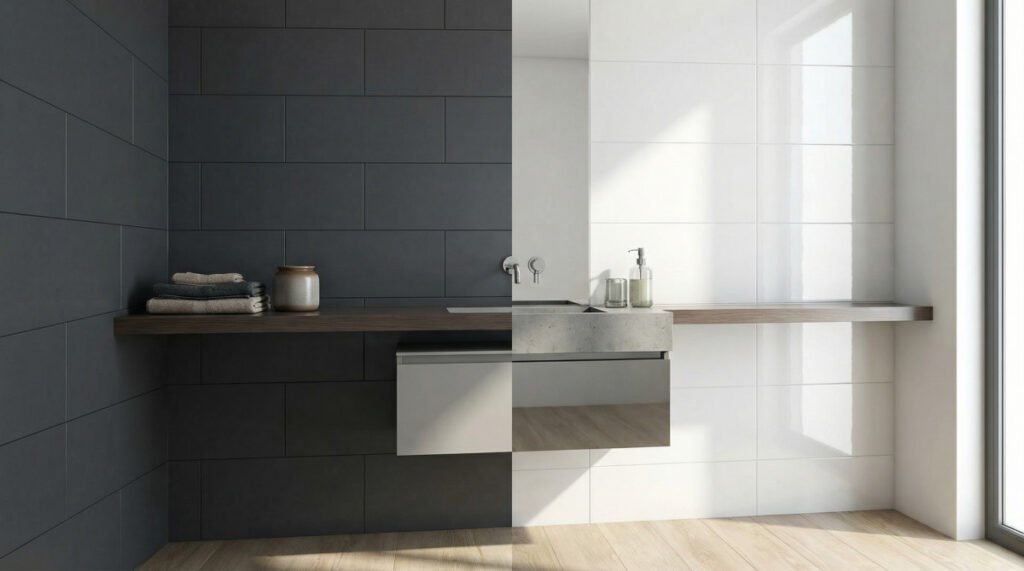
Choosing the right tiles for your bathroom is a crucial decision that impacts both the aesthetics and functionality of the space. Among the myriad options available, matte and glossy tiles stand out as two popular choices, each offering distinct advantages and disadvantages. This comprehensive guide delves into a detailed comparison of matte and glossy tiles, examining their characteristics across various critical factors such as slip resistance, maintenance, aesthetic appeal, and cost-effectiveness. Understanding these differences will empower you to make an informed decision that aligns with your design preferences, practical needs, and budget, ultimately enhancing your bathroom experience.
Slip Resistance and Safety
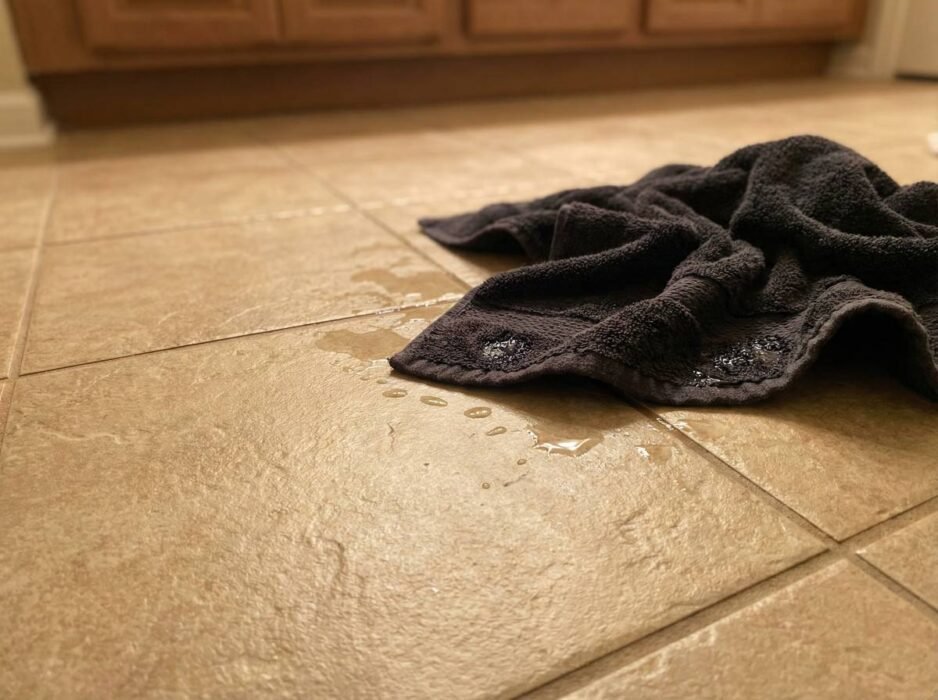
One of the most critical considerations for bathroom flooring is slip resistance, directly impacting safety, especially in wet environments. Glossy tiles, with their smooth, reflective surface, tend to be more slippery when wet compared to their matte counterparts. This is due to their lower coefficient of friction, which can increase the risk of slips and falls. For areas prone to water splashes, such as shower floors or high-traffic zones near bathtubs, the enhanced grip offered by matte tiles is a significant safety advantage. Many building codes and safety standards recommend or even mandate tiles with a higher slip resistance rating for bathroom floors.
Matte tiles, characterized by their unpolished, textured finish, provide superior traction. This inherent quality makes them a safer choice for bathroom floors, particularly in households with children, the elderly, or individuals with mobility challenges. While no tile is entirely slip-proof, the microscopic irregularities on the surface of matte tiles create more friction, reducing the likelihood of accidents. It’s important to note that even matte tiles can become slippery with excessive water or soap residue, so proper cleaning and maintenance remain essential. However, when comparing the two finishes directly, matte tiles consistently outperform glossy tiles in terms of slip resistance, offering a greater degree of safety in a potentially hazardous environment.
Maintenance and Cleaning
The ease of maintenance is another pivotal factor in tile selection. Glossy tiles, with their smooth, non-porous surface, are generally easier to wipe clean. Dirt, grime, and spills tend to sit on the surface, making them relatively simple to remove with a damp cloth or mop. However, their reflective nature also means that smudges, water spots, and fingerprints are far more noticeable. This can necessitate more frequent cleaning to maintain a pristine appearance, especially in bathrooms with high usage. The constant battle against visible marks can be a drawback for those seeking a low-maintenance option.
Conversely, matte tiles, while offering better slip resistance, can present a slightly different cleaning challenge. Their textured surface, while beneficial for grip, can sometimes trap dirt and soap scum more readily. This might require a bit more effort during cleaning, potentially involving brushes or specific cleaning agents to dislodge embedded grime. However, the non-reflective finish of matte tiles is more forgiving when it comes to concealing smudges, dust, and minor imperfections. This can translate to a bathroom that appears cleaner for longer periods, even with less frequent intensive cleaning.
Aesthetic Appeal and Design Versatility
The aesthetic impact of tiles is paramount in bathroom design. Glossy tiles are renowned for their ability to reflect light, making a space feel larger, brighter, and more open. This reflective quality can add a touch of luxury and sophistication, creating a dazzling and vibrant atmosphere. They are often favored in smaller bathrooms to visually expand the area or in contemporary designs where a sleek, polished look is desired. The high sheen of glossy tiles can also enhance the vibrancy of colors, making them appear more intense and striking. However, their reflective surface can also highlight imperfections in the subfloor or installation, and in some cases, create an overly sterile or clinical feel if not balanced with other design elements.
Matte tiles, on the other hand, offer a more subdued, natural, and earthy aesthetic. Their non-reflective finish creates a softer, warmer, and more inviting ambiance. They are highly versatile and can complement a wide range of design styles, from rustic and industrial to minimalist and modern. Matte tiles are excellent at concealing dirt, smudges, and minor wear and tear, making them a practical choice for busy bathrooms. They also provide a sophisticated, understated elegance that can be very appealing. While they don’t reflect light as much as glossy tiles, they can still contribute to a well-lit space when combined with appropriate lighting fixtures. The choice between matte and glossy often comes down to personal preference and the overall design vision for the bathroom.
Durability and Longevity
When investing in bathroom tiles, durability is a key consideration for long-term satisfaction. Both matte and glossy tiles are generally durable, but their finishes can influence how they withstand daily wear and tear. Glossy tiles, while hard and resistant to scratches, tend to show scratches more prominently due to their reflective surface. A deep scratch on a glossy tile can be quite noticeable, detracting from its polished appearance. They are also more prone to chipping at the edges if subjected to heavy impact, as the impact point can be more visible against the smooth surface. However, their non-porous nature makes them highly resistant to staining and moisture absorption, contributing to their longevity in wet environments.
Matte tiles, with their textured surface, are often more forgiving when it comes to minor scratches and scuffs. The irregularities in the finish help to camouflage imperfections, making them less noticeable over time. This can be a significant advantage in high-traffic areas or bathrooms where objects might be dropped. While matte tiles can be slightly more porous than glossy ones, modern manufacturing processes often include glazes that make them highly resistant to water and stains. The perceived durability can also be influenced by the material of the tile itself (e.g., porcelain vs. ceramic), but generally, matte finishes offer a practical advantage in terms of concealing the signs of daily use, contributing to a longer-lasting aesthetic appeal.
Cost Considerations and Installation
The cost of bathroom tiles can vary significantly based on material, brand, size, and finish. Generally, there isn’t a substantial price difference between matte and glossy finishes of the same tile type and quality. However, certain specialized finishes or designer options might command a premium. Installation costs are typically more influenced by the complexity of the layout, the size of the tiles, and labor rates in your region, rather than the finish itself. For instance, intricate patterns or very large format tiles may incur higher installation fees. On average, tile installation can range from $5 to $15 per square foot, with additional costs for subfloor preparation or specialized adhesives.
When budgeting, it’s also important to consider the long-term value. While the initial purchase price might be similar, the maintenance requirements and perceived longevity can influence the overall cost of ownership. For example, if glossy tiles require more frequent cleaning to maintain their appearance, this could translate to higher ongoing costs for cleaning supplies or professional services. Conversely, the enhanced safety of matte tiles on floors could potentially reduce the risk of costly slip-and-fall accidents. Therefore, a holistic view of cost should encompass not just the upfront expenditure but also the ongoing maintenance and potential future implications.
Comparison Table: Matte vs. Glossy Tiles
| Feature | Matte Tiles | Glossy Tiles |
|---|---|---|
| Slip Resistance | High (Safer for floors) | Lower (More slippery when wet) |
| Maintenance | Hides dirt/smudges well, may require more effort to clean textured surface | Shows smudges/water spots easily, easier to wipe clean smooth surface |
| Aesthetics | Subdued, natural, warm, sophisticated, versatile | Reflective, bright, luxurious, modern, can make space feel larger |
| Durability (Scratches) | Hides scratches and scuffs effectively | Scratches and imperfections are more noticeable |
| Light Reflection | Low (Absorbs light) | High (Reflects light, brightens space) |
| Cost | Generally comparable to glossy for similar quality | Generally comparable to matte for similar quality |
| Best Use Case | Bathroom floors, high-traffic areas, shower floors | Bathroom walls, low-traffic areas, accent features |
Frequently Asked Questions
Are matte tiles harder to clean than glossy tiles?
While glossy tiles have a smoother surface that can be wiped clean easily, their reflective nature means smudges and water spots are very noticeable, often requiring frequent cleaning. Matte tiles, with their textured finish, can sometimes trap dirt more readily, potentially requiring a bit more effort during cleaning. However, their non-reflective surface is more forgiving and hides imperfections better, meaning they may appear cleaner for longer periods.
Do glossy tiles make a bathroom look bigger?
Yes, glossy tiles are known for their ability to reflect light, which can create an illusion of a larger, brighter, and more open space. This makes them a popular choice for smaller bathrooms where homeowners want to maximize the perception of space. The high sheen also adds a sense of luxury and can enhance the vibrancy of colors.
Which tile finish is more durable for a bathroom floor?
Both matte and glossy tiles are durable, but their finishes impact how wear and tear are perceived. Matte tiles are generally more forgiving on floors as their textured surface helps to camouflage scratches, scuffs, and dirt, making them less noticeable. Glossy tiles, while hard, tend to show scratches more prominently due to their reflective nature. For safety, matte tiles offer superior slip resistance, which is crucial for bathroom floors.
Can I mix matte and glossy tiles in the same bathroom?
Absolutely! Mixing matte and glossy tiles is a popular design trend that adds depth, contrast, and visual interest to a bathroom. For instance, you might use matte tiles on the floor for safety and a grounded feel, and glossy tiles on the walls to reflect light and create a luxurious accent. This combination allows you to leverage the benefits of both finishes while achieving a sophisticated and dynamic aesthetic.
What is the cost difference between matte and glossy tiles?
Generally, there is no significant cost difference between matte and glossy tiles of the same material, quality, and brand. The price is more influenced by the tile’s material (e.g., ceramic, porcelain), size, brand, and any specialized features. Installation costs are also largely independent of the finish, depending more on labor, complexity, and preparation. Therefore, your choice of finish is unlikely to be a major cost driver.
Conclusion: Making the Right Choice for Your Bathroom
The decision between matte and glossy tiles for your bathroom ultimately hinges on a balance of aesthetic preferences, practical needs, and safety considerations. For bathroom floors, especially in areas prone to moisture, matte tiles are generally the superior choice due to their enhanced slip resistance, significantly reducing the risk of accidents. Their ability to conceal dirt and minor imperfections also makes them a practical, low-maintenance option for high-traffic zones. Conversely, glossy tiles excel on bathroom walls, where their light-reflecting properties can make the space feel larger and more luxurious, adding a touch of elegance without the same slip hazard concerns. They are also easier to clean on vertical surfaces where smudges are less likely to accumulate.
A thoughtful approach often involves a combination of both finishes, utilizing matte tiles for functional areas like floors and shower bases, and glossy tiles for decorative elements or wall coverings. This allows you to harness the unique advantages of each, creating a bathroom that is not only visually stunning but also safe, durable, and easy to maintain. Consider your lifestyle, the overall design aesthetic you wish to achieve, and the specific requirements of each area within your bathroom to make an informed decision that will bring lasting satisfaction.
