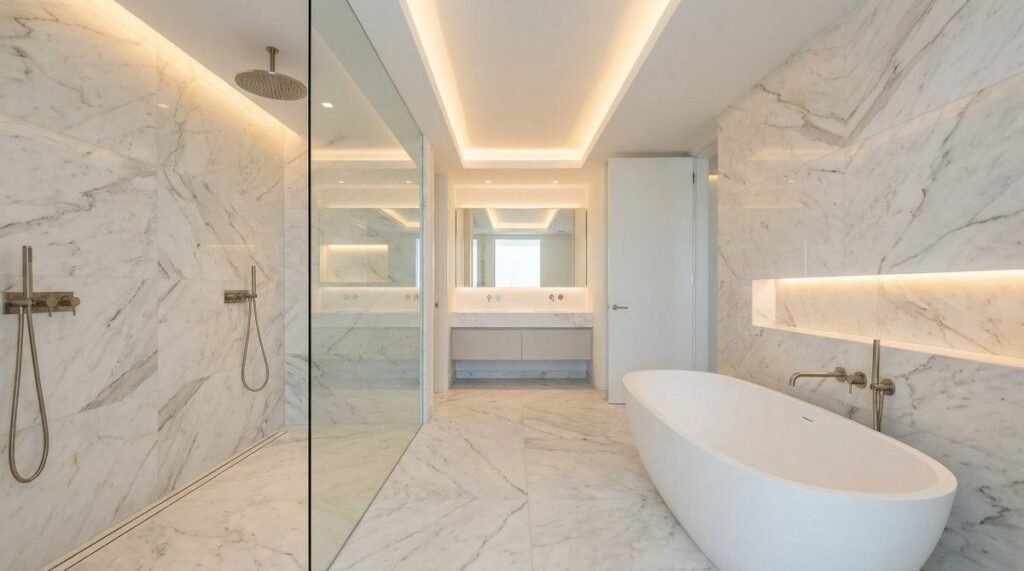
When considering a bathroom renovation, one of the most significant decisions homeowners face is whether to install a walk-in shower or a traditional bathtub, notes Keyrenter Boise. This choice extends beyond personal preference, profoundly impacting your home’s aesthetic appeal, functionality, and, crucially, its resale value. Understanding the financial implications and market trends associated with each option is paramount for making an informed investment. This article delves into the various factors that determine which fixture ultimately adds more value to your property, examining return on investment, installation costs, buyer preferences, and practical considerations.
Resale Value and Return on Investment (ROI)
The impact of a walk-in shower versus a bathtub on resale value is a nuanced topic, often debated among real estate professionals and homeowners alike. While both can enhance a bathroom, their contribution to your home’s market appeal and return on investment (ROI) can differ based on various factors, including the overall housing market, regional preferences, and the specific characteristics of your property.
Recent analyses suggest that the ROI for bathroom renovations, whether involving a shower or a tub, can be quite similar. Some reports indicate near-identical returns, with walk-in showers yielding approximately 70.6% and bathtubs around 70.1% [1]. This marginal difference suggests that a well-executed renovation, regardless of the fixture chosen, tends to recoup a significant portion of its cost. However, other data points suggest that homes with at least one bathtub may sell for more than those with only showers, particularly in certain market segments [2]. The key takeaway is that quality and design matter immensely; a poorly designed or executed installation will detract from value, while a thoughtfully planned one will add to it.
For homes with multiple bathrooms, converting a secondary tub to a walk-in shower is generally considered a neutral to positive move for resale value [3]. This approach allows homeowners to enjoy the benefits of a modern shower while retaining a bathtub elsewhere in the house, catering to a broader range of potential buyers. Conversely, removing the only bathtub in a home can be a risk, potentially alienating families with young children or buyers who prefer baths for relaxation. Therefore, the existing bathroom configuration plays a critical role in determining the optimal choice for maximizing resale value.
Installation Costs and Complexity
The financial outlay and complexity involved in installing a walk-in shower versus a bathtub are significant considerations for any homeowner. These costs can vary widely depending on the scope of the project, the materials selected, and whether existing plumbing needs extensive modification. Understanding these financial aspects is crucial for budgeting and assessing the overall value proposition of each option.
Basic tub-to-shower conversions can range from approximately $1,200 for a simple unit to over $15,000 for a custom, high-end walk-in shower [4]. More comprehensive wet-area renovations, which might include significant plumbing changes, tiling, and custom glass enclosures, typically fall within the $8,000 to $15,000 range [5]. These figures often encompass both materials and labor. The complexity of a walk-in shower installation can increase if it involves relocating drains, modifying wall structures for niches, or installing specialized features like steam generators or multiple showerheads. A curb-less, large shower with extensive plumbing changes could even reach $20,000 [6].
Conversely, installing a new bathtub, especially if it’s a standard drop-in model replacing an existing one, can sometimes be less complex and costly than a custom walk-in shower. However, freestanding tubs, while aesthetically appealing, can incur higher costs due to their weight, specialized plumbing requirements, and the need for reinforced flooring. The choice of materials—from acrylic and fiberglass to cast iron and stone—also significantly influences the final price tag for both showers and tubs. Ultimately, the total cost is a function of design ambition, material quality, and the extent of structural and plumbing modifications required.
Buyer Preferences and Demographics
Understanding the preferences of potential home buyers is essential when deciding between a walk-in shower and a bathtub, as these choices can significantly influence marketability. Different demographics often prioritize distinct features in a bathroom, and aligning your renovation with these preferences can enhance your home’s appeal.
Families with young children or those planning to start a family often view a bathtub as a necessity. For these buyers, a tub is indispensable for bathing infants and toddlers, making a home with at least one bathtub more attractive. Removing the sole bathtub in a house can therefore limit the pool of potential buyers, potentially impacting resale speed and price. Conversely, older adults or individuals with mobility concerns frequently prefer walk-in showers due to their ease of access and enhanced safety features. Curb-less designs, grab bars, and built-in seating in walk-in showers significantly reduce the risk of slips and falls, making them a highly desirable feature for aging-in-place [7].
Younger, single professionals or couples without children might prioritize the sleek, modern aesthetic and space-saving benefits of a walk-in shower. They often appreciate the spa-like experience and contemporary design that a well-appointed shower can offer. In luxury homes, both a spacious walk-in shower and a standalone soaking tub are often expected, catering to a desire for both functionality and indulgence. Therefore, the ideal choice often depends on the likely demographic of buyers in your specific neighborhood and the overall style and price point of your home. A strategic renovation considers these demographic trends to maximize appeal.
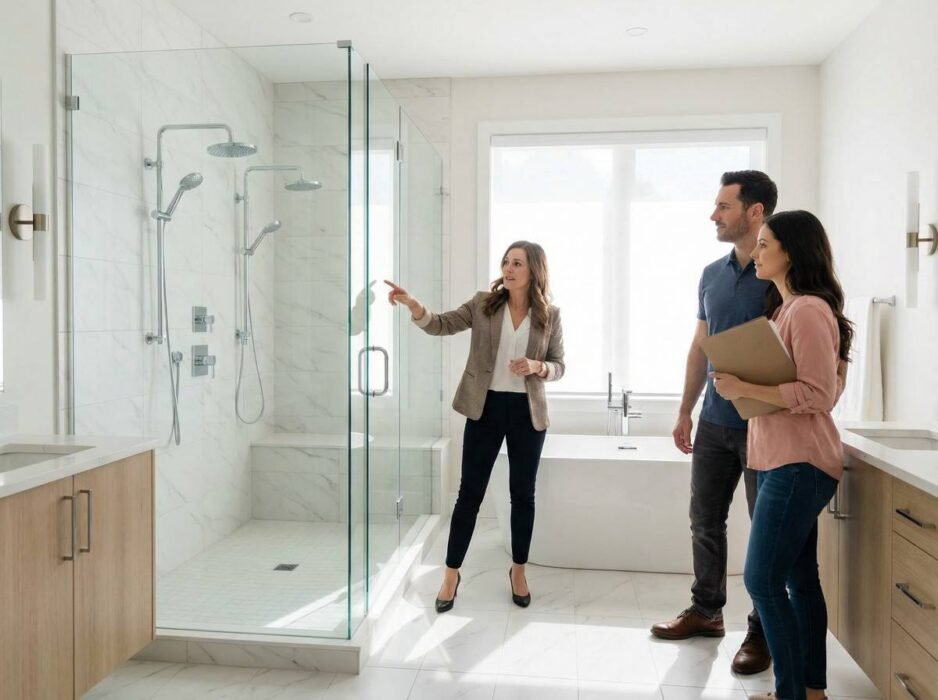
Accessibility and Safety
Accessibility and safety are increasingly important considerations in bathroom design, particularly as homeowners plan for long-term living or cater to a broader range of potential buyers. In this regard, walk-in showers often present distinct advantages over traditional bathtubs, offering features that enhance usability and reduce risks for individuals of all ages and mobility levels.
Walk-in showers, especially those with curb-less or low-threshold designs, provide significantly easier access compared to stepping over the high edge of a bathtub. This feature is invaluable for older adults, individuals with physical disabilities, or anyone recovering from an injury, as it minimizes the effort and risk associated with entering and exiting the shower area. The absence of a barrier reduces the likelihood of trips and falls, which are common in bathrooms. Many modern walk-in showers can also be equipped with grab bars, built-in benches, and non-slip flooring, further enhancing safety and comfort [8]. These elements transform the shower into a more secure and independent bathing environment.
While bathtubs can be fitted with grab bars, the act of stepping into and out of a tub still poses a greater challenge and fall risk for many. For homes aiming to be universally accessible or to accommodate aging-in-place, a walk-in shower is often the preferred choice. It not only offers practical benefits for current residents but also broadens the home’s appeal to a demographic that values safety and ease of use. Investing in an accessible walk-in shower can therefore be seen as a forward-thinking decision that adds long-term value and functionality to a property.
Space and Design Considerations
The physical footprint and aesthetic impact of a walk-in shower versus a bathtub are crucial design considerations that influence the overall feel and perceived value of a bathroom. The choice between these two fixtures can dramatically alter the sense of space, light, and luxury within the room.
Walk-in showers, particularly those with frameless glass enclosures, can create an illusion of greater space and openness in a bathroom. Their transparent nature allows light to flow freely, making even smaller bathrooms feel larger and more airy. This modern, minimalist aesthetic is highly sought after in contemporary home design. A well-designed walk-in shower can become a focal point, offering a sleek and sophisticated look. The flexibility in sizing and configuration also allows for creative use of space, fitting into awkward corners or extending to create a luxurious, expansive showering area. This design versatility can significantly elevate the bathroom’s perceived value and appeal.
Bathtubs, especially large soaking tubs or freestanding models, tend to occupy more visual and physical space. While a freestanding tub can be a stunning design statement in a spacious bathroom, it can overwhelm a smaller room, making it feel cramped. A standard tub-shower combo, while practical, often lacks the high-end aesthetic of a dedicated walk-in shower. However, for those who value the ritual of a long soak, a beautifully designed bathtub can be a strong selling point, conveying a sense of luxury and relaxation. The choice ultimately depends on the bathroom’s size, the desired aesthetic, and the lifestyle preferences of the homeowner and potential buyers.
Comparison Table: Walk-in Shower vs. Bathtub
| Feature | Walk-in Shower | Bathtub |
|---|---|---|
| Resale Value (ROI) | ~70.6% (can be higher in secondary bathrooms) | ~70.1% (essential for homes with young families) |
| Installation Cost | $1,200 – $20,000 (basic to custom) | $800 – $10,000+ (standard to freestanding) |
| Space Efficiency | Excellent, creates open feel, flexible designs | Can consume significant space, especially freestanding |
| Accessibility | High (curb-less, grab bars, seating options) | Low (stepping over edge, higher fall risk) |
| Maintenance | Easier to clean large tiled surfaces, glass | Can be harder to clean around fixtures, grout lines |
| Buyer Appeal | Modern, accessible, spa-like (singles, elderly) | Traditional, family-friendly, relaxation (families) |
| Water Usage | Generally lower (shorter duration) | Generally higher (filling the tub) |
Verdict: Making the Right Choice for Your Home
Deciding between a walk-in shower and a bathtub ultimately boils down to a strategic assessment of your home’s characteristics, your target buyer demographic, and your personal lifestyle needs. There is no single answer that applies to all properties, as the best choice is highly dependent on the context of your specific bathroom and the overall housing market.
If your home has only one bathroom, retaining a bathtub (or a tub-shower combo) is generally the safest bet to protect resale value, as it ensures your property remains attractive to families with young children. However, if you have multiple bathrooms, converting a secondary tub into a luxurious, accessible walk-in shower is a smart investment that caters to modern preferences and aging-in-place trends without alienating family buyers. The key is to balance functionality, aesthetics, and market demands to maximize your return on investment.
Frequently Asked Questions (FAQ)
Does removing a bathtub decrease home value?
Removing the only bathtub in a home can potentially decrease its marketability and value, as it may deter families with young children who consider a tub essential. However, if the home has another bathtub, converting a secondary tub to a walk-in shower often has a neutral or even positive impact on resale value, appealing to buyers seeking modern, accessible features.
What is the average ROI for a walk-in shower conversion?
The return on investment (ROI) for a walk-in shower conversion is generally strong, often estimated around 70.6%. This figure can vary based on the quality of materials, the local real estate market, and whether the conversion aligns with the preferences of typical buyers in your area. High-end, custom showers in luxury markets may yield even higher returns.
Are walk-in showers more expensive to install than bathtubs?
Generally, a custom walk-in shower is more expensive to install than a standard bathtub due to the costs associated with waterproofing, custom glass enclosures, and extensive tiling. A basic tub-to-shower conversion might start around $1,200, but a high-end, curb-less shower with significant plumbing changes can easily exceed $15,000. Conversely, a standard bathtub replacement is often less costly, though freestanding luxury tubs can also be quite expensive.
Do home buyers prefer walk-in showers or bathtubs?
Buyer preferences are heavily influenced by demographics. Families with young children strongly prefer homes with at least one bathtub. In contrast, older adults, individuals with mobility issues, and many younger professionals often prefer the accessibility, modern aesthetic, and convenience of a walk-in shower. A balanced home ideally offers both options to appeal to the widest range of buyers.
How much space is needed for a walk-in shower?
While building codes vary, a standard walk-in shower typically requires a minimum space of 36 inches by 36 inches to be comfortable and functional. However, for a truly accessible, curb-less design or a luxurious, spa-like experience, a larger footprint—such as 48 inches by 60 inches or more—is highly recommended. The available space in your bathroom will significantly dictate the feasibility and design of a walk-in shower.
Ultimately, the decision to install a walk-in shower or a bathtub is a significant one that requires careful consideration of your home’s current layout, your target market, and your long-term goals. By weighing the costs, benefits, and aesthetic implications of each, you can make a choice that not only enhances your daily life but also adds tangible value to your property for years to come.
References
- [1] Beams Renovation. “Bath vs Walk-in Shower | Resale Value & Costs.”
- [2] KHB Construction. “Shower Vs Bathtub Resale Value 2024.”
- [3] Improveit Home Remodeling. “Will Removing My Tub Affect Resale Value?”
- [4] Tropic Renovations. “Tub to Shower Cost: Avoid Hidden Expenses in 2026.”
- [5] The Home Depot. “Tub to Shower Conversion Cost Guide.”
- [6] Reddit. “Whats the going rate to transform a bathtub into a walk-in shower…”
- [7] South Shore Dream Bath. “Shower Tub Combo vs Walk-in Shower: What to Choose.”
- [8] Facebook. “Bath tub (with shower) vs walk in shower ? What do clients in…”
