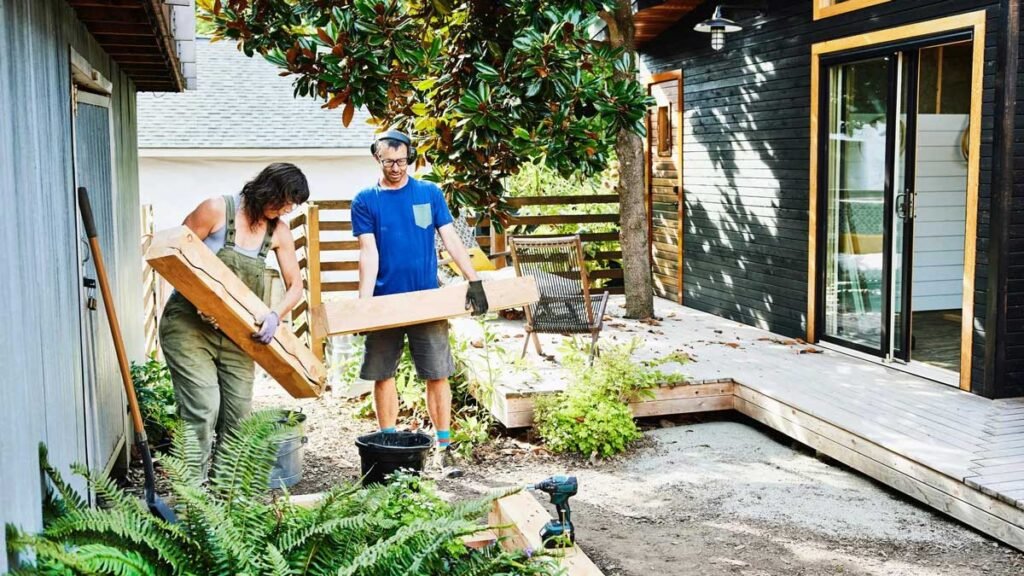
Owning a home can mean that you have a never-ending to-do list. This can cause two different types of spending, reactive spending (fixing things when they break) and strategic investing (upgrading components to ensure they do not break in the first place). The exterior of your home is often its first line of defence, meaning that proactive exterior upgrades are more than just cosmetic, they are financial shields against depreciation and unexpected repairs. There are three main areas this can cover, durability, protection and prevention.
While larger projects like roof replacements or new siding offer substantial returns, smaller protective measures often prove just as essential for maintaining property value. In regions with significant rainfall or snowmelt, ensuring water is directed away from the foundation is a fundamental maintenance task. Neglecting this can lead to costly basement repairs or landscape erosion over time. Scheduling a professional gutter install saginaw provides a reliable defense against these environmental stressors, effectively safeguarding your investment for the long term. By focusing on these functional exterior upgrades, homeowners can prevent minor issues from escalating into major structural concerns while simultaneously enhancing the home’s overall marketability and preservation.
The Power of Fit and Forget
Although timber is often associated with being a budget-friendly choice, it can have a hidden tax, as it will require frequent staining, washing and boards may need to be replaced. Over a few years, these small repairs can eclipse the initial cost of the wood itself. In the UK especially, there can be a struggle with wet rot and wood boring insects, which can affect the longevity of wood and turn it into a structural liability.
In contrast, composite products can maintain their showroom look for years. Unlike timber, composite will not fade and remain vibrant, which can be a large draw for estate agents and potential buyers. In the resale market, ‘low maintenance’ can be a powerful buzzword, as a buyer is more likely to pay a premium for a home where they will not need to do any work for years.
Typically, a timber fence will have a lifespan of around ten years, compared to composite which can have a lifespan of twenty-five or more years. Although composite fencing or decking can have a higher upfront cost, this should not be seen as an expense but as a ‘one and done’ investment. By avoiding needing to replace timber every ten years, composite effectively will have paid for itself by the time a second timber installation would have been required.
Fortifying the Perimeter
Insurance providers are essentially risk assessors, and when you install high-grade security systems you are doing their job for them, which can lead to lower premiums. For example, reinforced fencing, gated driveways and anti-climb measures will not just stop intruders, but can act as deterrents. Some insurers may actually offer discounts if the perimeter of your home meets certain standards.
In the modern UK housing market, security often ranks alongside energy efficiency and location as a primary driver for buyers. For families and professionals, their home is their sanctuary, so they are willing to pay more for a property that is move-in ready from a safety perspective. A street that has homes with visible, high-quality security tends to have lower crime rates, creating a ‘halo effect’ that can stabilise and grow local property values.
A large hurdle in home security used to be the industrial look (e.g. clunky cameras), but modern technology has solved this through architectural integration. Modern motion lighting is often built into discreet sconces that match the exterior of a home, with smart cameras also often being recessed into eaves so that they are nearly invisible until needed. Similarly, reinforced fencing does not necessarily mean chain link, and it can now take the form of contemporary slat fencing, natural hedgerows with hidden reinforcements or bespoke ironwork that serves as a design statement at the same time.
Beyond immediate visual improvements, ensuring the structural integrity of the uppermost part of your house is a critical factor in long-term value preservation. Potential buyers often prioritize a secure and leak-free overhead structure because any signs of neglect here can indicate deeper, more expensive underlying damage. Relying on professional home roofing services ensures that modern, energy-efficient materials are installed correctly, providing a durable barrier against the elements while potentially lowering monthly utility costs. These updates not only provide peace of mind for the current owner but also serve as a significant selling point that can expedite the closing process when the property finally hits the market.
Why High-Performance Guttering Matters
Neglected gutters can be the primary cause of several catastrophic home repairs, as this damage usually happens slowly and often behind walls. When gutters overflow, water will cascade down the masonry. Over time, water will saturate the brickwork, leading to penetrating damp that can destroy interior plaster and ruin insulation. Water pooling around the base of a home is another structural nightmare, as it can soften the soil and cause subsidence or foundation movement. During winter, water-soaked bricks will often freeze and thaw repeatedly. The water expands when it turns to ice, causing the facing of the bricks to crack and fall off, compromising the integrity of a home’s exterior.
The UK now experiences frequent, extreme rainfall events more often, and these can overwhelm traditional style plastic gutters. Modern systems are designed with a higher cross-sectional area, so they can move more litres per second than standard guttering, preventing the waterfall effect that can occur during storms. Old style plastic guttering can also degrade under UV light, leading to it becoming brittle and cracking within a few years.
Viewing gutter maintenance as a chore can be a mindset that costs money. For example, spending £1 on professional gutter cleaning or high quality gutter guards could save £100 in future masonry or damp repairs. A home that has stained brickwork, peeling soffits and overflowing gutters will signal to surveyors and buyers that the property is ‘at risk’, which can lead to lower valuations during a house sale.
How These Upgrades Work Together
A well maintained exterior, combining the clean lines of composite with sleek fencing and subtle security can make a home look ‘well loved’ and result in higher valuations when it comes to selling. The cumulative time saved by choosing these specific upgrades means that you will be able to enjoy your space instead of needing to constantly work on it.
The cheapest option at the checkout may seem good at the time, but it can become the most expensive over the course of a decade. Before each season, especially autumn and winter, auditing your home’s exterior will help you to recognise and prioritise any upgrades that can offer both protection and profit.
