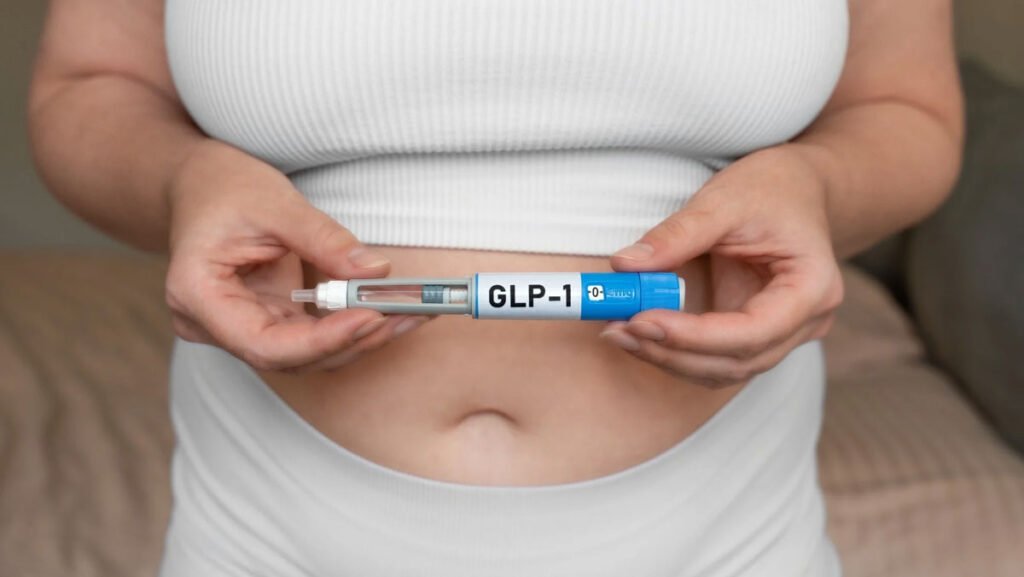
Weight loss treatment has evolved significantly over the last decade. Rather than relying on one-size-fits-all plans focused solely on calorie restriction, healthcare providers are now embracing more personalized strategies that consider metabolism, hormones, lifestyle, genetics, and long-term health goals. One of the biggest drivers behind this shift is the growing use of GLP-1 therapy.
What is GLP-1 Therapy?
GLP-1 stands for glucagon-like peptide-1, a hormone naturally produced in the digestive system. This hormone helps regulate appetite, blood sugar levels, and digestion. Originally developed to help manage type 2 diabetes, GLP-1 receptor agonists have become an important tool in obesity medicine and metabolic care. These medications are changing how doctors approach weight management by allowing treatment plans to be tailored to each individual patient’s unique biological and lifestyle needs.
GLP-1 medications mimic these natural effects by slowing stomach emptying, promoting fullness, and reducing hunger signals. For many patients, this can make it easier to maintain healthier eating habits without the constant struggle against cravings and excessive hunger. However, doctors are increasingly recognizing that medication alone is not the complete solution.
Instead, providers are using GLP-1 therapies as part of broader, highly individualized treatment plans that may include nutritional counseling, exercise guidance, sleep optimization, stress management, and ongoing metabolic monitoring.
Why Personalized Weight Loss Matters
Every person’s metabolism works differently. Factors such as age, hormone levels, medical history, genetics, activity levels, and even sleep patterns can influence how the body gains or loses weight. Traditional diet programs often fail because they ignore these differences. Patients may follow the same plan yet experience dramatically different outcomes. This has led many physicians to move away from rigid, generalized advice and toward personalized care models.
A personalized approach can help providers:
- Identify underlying metabolic issues
- Monitor blood sugar and insulin resistance
- Adjust medication dosing carefully
- Address emotional eating patterns
- Support sustainable lifestyle changes
- Reduce the risk of side effects
Doctors are increasingly viewing obesity as a chronic medical condition rather than a lack of willpower. This shift is helping reduce stigma while improving treatment outcomes for patients who have struggled with long-term weight management challenges.
The Importance of Medical Supervision
GLP-1 medications can be highly effective, but they also require proper medical oversight. Providers typically evaluate a patient’s overall health history, current medications, lab results, and metabolic markers before recommending treatment. This is where personalization becomes especially important. Some individuals may respond quickly to lower doses, while others require gradual adjustments. Certain patients may need additional support managing gastrointestinal side effects or balancing nutrition during treatment.
Doctors are also paying closer attention to preserving muscle mass during weight loss. Strength training, protein intake, and physical activity are often integrated into treatment plans to help patients maintain overall body composition and metabolic function. Because every patient responds differently, ongoing monitoring allows healthcare providers to make informed adjustments throughout the process rather than relying on a fixed plan.
Looking Beyond Short-Term Results
Another major reason doctors are personalizing GLP-1 therapy is the growing emphasis on long-term health rather than rapid weight reduction alone. Sustainable weight management involves more than temporary dieting. Many healthcare professionals now focus on helping patients improve broader metabolic health markers, such as:
- Blood pressure
- Cholesterol levels
- Insulin sensitivity
- Inflammation
- Energy levels
- Sleep quality
By addressing these factors together, providers can create treatment plans that support both physical and metabolic wellness over time. Patients are also becoming more informed about the importance of medically guided care. Many individuals researching programs like GLP-1 with daydreammd.com are seeking structured support systems that combine medication with personalized wellness strategies rather than relying solely on quick-fix solutions.
The Growing Demand for Individualized Care
The popularity of GLP-1 therapy has sparked broader conversations about how weight loss treatment should be approached in modern healthcare. Patients increasingly want care plans designed around their individual goals, challenges, and medical histories. This demand for customization reflects a larger trend toward precision medicine, where treatment decisions are guided by personal health data rather than generalized recommendations.
Healthcare providers are responding by offering more comprehensive programs that may include:
- Regular metabolic assessments
- Customized nutrition plans
- Ongoing coaching and accountability
- Exercise recommendations tailored to fitness levels
- Behavioral and emotional support
These more holistic models recognize that successful weight management often requires addressing multiple aspects of health simultaneously.
A New Direction in Weight Management
GLP-1 therapy is not simply changing the medications doctors prescribe. It is changing the entire philosophy surrounding weight loss care. Physicians are increasingly recognizing that effective treatment requires a deeper understanding of each patient’s biology, lifestyle, and long-term health needs.
As research continues to evolve, personalized GLP-1 treatment plans may become an even more important part of preventative healthcare and chronic disease management. Rather than focusing solely on the number on the scale, doctors are now working to help patients achieve lasting improvements in metabolic health through individualized, evidence-based care.
This more compassionate, medically informed approach is helping redefine what successful weight-loss treatment can look like in the future.
