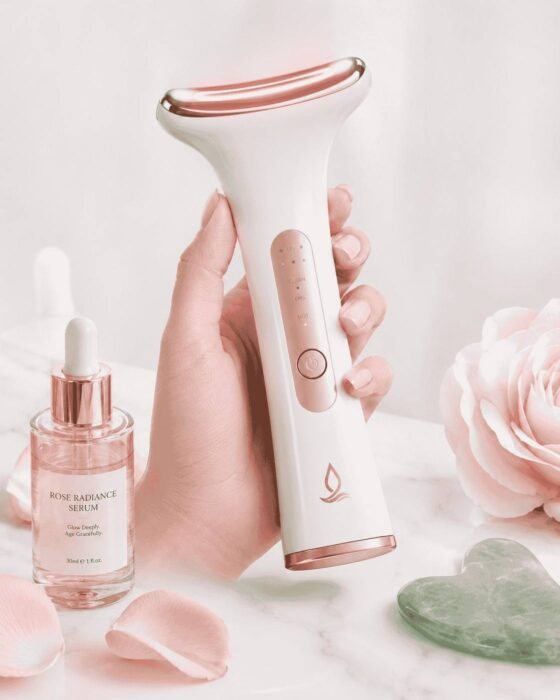
Aging skin is a universal concern, and modern skincare has evolved well beyond serums and eye creams. Today, at-home technology is closing the gap between professional clinic treatments and everyday routines. One of the most talked-about innovations in this space is the skin tightening handset — a compact device designed to firm, lift, and rejuvenate skin from the comfort of your own home. But with so many options on the market, how do you choose one that actually delivers results?
This guide breaks down what matters most when evaluating an anti-aging handset — from the technologies inside to how they interact with your skin. Whether you’re new to device-based skincare or looking to upgrade, understanding the key features will help you invest wisely. Brands like Evenskyn are leading the charge in accessible, multi-technology devices designed for real results at home. Their flagship product, the Premium Anti-Aging & Skin Tightening Handset, combines multiple clinically-inspired technologies into one sleek tool — making professional-grade skin tightening more attainable than ever.
Why At-Home Skin Tightening Is Gaining Momentum
Professional treatments like radiofrequency facials, microcurrent therapy, and laser skin resurfacing have long been the gold standard for collagen stimulation and skin firming. But they come with a significant price tag — often hundreds of dollars per session — and require regular appointments to maintain results.
At-home devices have matured considerably. Today’s handsets are engineered with the same foundational technologies used in clinical settings, adapted for safe and effective home use. The convenience factor is undeniable, but the key selling point is consistency: when a device is within reach daily, you’re far more likely to build the regular routine that produces visible, lasting results.
Technologies to Look For in a Quality Handset
Not all anti-aging devices are created equal. The best handsets combine two or more complementary technologies to address skin laxity, texture, and tone simultaneously. Here are the most effective ones to look for:
Radiofrequency (RF) Energy
Radiofrequency is one of the most studied and trusted technologies for skin tightening. It works by delivering controlled heat energy into the deeper layers of the dermis, stimulating collagen and elastin production over time. The result is firmer, more elastic skin — particularly effective around the jawline, cheeks, and neck where laxity tends to develop first. When evaluating a device, look for one that includes adjustable RF intensity levels so you can tailor treatments to your comfort level and skin sensitivity.
Microcurrent Therapy
Often called the “non-surgical facelift,” microcurrent therapy uses low-level electrical currents that mimic the body’s own bioelectric signals. These gentle pulses re-educate facial muscles, lifting and toning over time. The effects are cumulative, meaning consistent use leads to progressively better results. Microcurrent is gentle enough for daily use and pairs beautifully with radiofrequency for a comprehensive anti-aging approach.
Red Light Therapy (Photobiomodulation)
Red light therapy (typically in the 630–700nm wavelength range) penetrates the skin at a cellular level, encouraging mitochondrial activity and boosting collagen synthesis. It’s known for reducing the appearance of fine lines, improving skin tone evenness, and accelerating cellular repair. Red light is non-thermal, making it a gentle yet powerful addition to any anti-aging handset. Combined with RF and microcurrent, it rounds out a truly comprehensive treatment profile.
Key Features That Separate Good Devices from Great Ones
Beyond the core technologies, the construction, usability, and safety features of a handset matter enormously. Here’s what to evaluate before making a purchase:
• Ergonomic Design: A handset you’ll actually use is one that feels comfortable in your hand. Look for a grip that allows easy maneuverability across the contours of the face and neck without fatigue.
• Multiple Treatment Modes: The ability to switch between modes — or combine technologies in one session — gives you more control and versatility. Single-function devices are limiting, especially as your skin’s needs evolve.
• Skin-Sensing Safety Features: High-quality devices include automatic safety cutoffs if the device loses contact with your skin, preventing overexposure and ensuring each pulse is delivered correctly.
• Adjustable Intensity Settings: Everyone’s skin is different. A device with multiple intensity levels allows beginners to start gently and gradually increase as their skin adapts.
• Clinical Validation: Prioritize devices backed by clinical testing or developed in collaboration with dermatologists. User testimonials are helpful, but clinical data adds credibility.
Building an Effective At-Home Skin Tightening Routine
Owning a quality device is only half the equation. Consistency and technique matter just as much. Here are a few principles to follow for best results:
Always start with clean, dry skin. Most handsets work best on bare skin or with a conductive gel applied to improve energy delivery. Follow the manufacturer’s guidelines on session duration — typically 10 to 20 minutes per zone — and avoid over-treating any single area. Like exercise, more isn’t always better; the skin needs time to repair and regenerate between sessions.
Most users begin to see visible improvements in firmness and texture within four to six weeks of regular use. For deeper structural changes — true collagen remodeling — expect a longer commitment of three to six months. The payoff is real, but patience is part of the process.
Who Benefits Most from Skin Tightening Handsets?
These devices are particularly well-suited for adults in their 30s through 60s who are beginning to notice changes in skin firmness, jawline definition, or the depth of expression lines. They’re also a smart maintenance strategy for anyone who has undergone professional treatments and wants to extend results between appointments.
That said, skin tightening devices aren’t a replacement for professional care in cases of significant laxity or medical-grade concerns. If you’re unsure whether at-home technology is appropriate for your skin type or condition, a quick consultation with a licensed esthetician or dermatologist can point you in the right direction.
Where At-Home Technology Fits in the Modern Skincare Landscape
The broader conversation around beauty and wellness has shifted dramatically in recent years. Consumers are more informed, more ingredient-conscious, and more willing to invest in tools that work. Devices like the ones reviewed at Famous Tarz reflect this shift — showcasing how technology and beauty intersect in ways that feel genuinely empowering rather than gimmicky.
At-home skin tightening handsets now occupy a serious, substantive role in modern skincare routines. They’re no longer novelty items — they’re legitimate tools backed by science, designed for the everyday user who wants real results without real downtime.
Final Thoughts: Invest in Technology That Works With Your Skin
Anti-aging technology has never been more accessible, but it still requires an informed approach. When choosing a skin tightening handset, look beyond the marketing and focus on the technologies inside, the clinical evidence behind them, and the user experience the device delivers. A handset that combines radiofrequency, microcurrent, and red light therapy — with thoughtful ergonomics and safety features — is a worthy long-term investment in your skin’s health.
The skin you’re in deserves more than hope in a jar. It deserves technology with intention — and the right handset can be the difference between wishing for change and actually seeing it.
