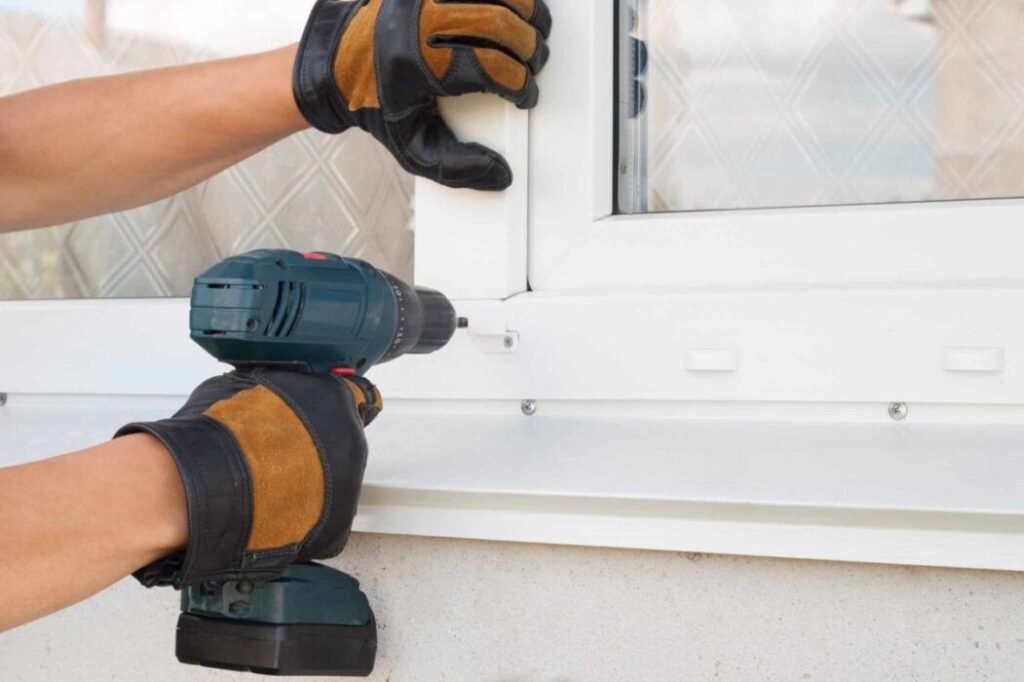
Your energy bills keep climbing, and you can feel cold drafts near the windows every winter. Energy-efficient windows can reduce those drafts and lower your heating and cooling costs, but the upfront investment is higher than standard windows. Understanding the cost and the long-term savings helps you decide whether the investment is worth it for your home. Energy-efficient windows are designed with advanced glass coatings and insulating materials that significantly reduce heat transfer through the window assembly.
Window cost $300 to $1,200 per window installed, depending on the window type, frame material, and glass options. Energy Star certified windows typically cost 10 to 15 percent more than standard windows but can reduce heating and cooling costs by 10 to 30 percent per year. The federal tax credit covers 30 percent of the cost up to $600 per year, notes Keyrenter Highlands Ranch team.
What Makes a Window Energy Efficient
These windows use several technologies to reduce heat transfer. Double-pane or triple-pane glass creates insulating air spaces between the panes. Low-E coating reflects infrared heat back into the room in winter and blocks solar heat in summer. Gas fills between the panes, typically argon or krypton, provide better insulation than air. These features work together to keep your home comfortable year-round while reducing the load on your heating and cooling system.
The energy performance of windows is measured by two key ratings. The U-factor measures how well the window insulates. A lower U-factor means better insulation. The Solar Heat Gain Coefficient (SHGC) measures how much solar heat passes through the window. A lower SHGC is better for hot climates. A higher SHGC can be beneficial in cold climates where solar heat gain is welcome during the winter months.
Energy Star certified windows meet strict efficiency guidelines set by the U.S. Environmental Protection Agency. Windows with the Energy Star label are tested and certified for different climate zones. The certification ensures the windows meet minimum efficiency standards for your region. Energy Star windows typically cost 10 to 15 percent more than standard windows but provide measurable energy savings and increased comfort in every season of the year.
Cost Per Window Installed
Window cost $300 to $1,200 per window installed for most standard sizes. Double-hung vinyl windows with Low-E coating and argon gas fill cost $400 to $800 installed. Casement windows with the same features cost $450 to $900 installed. Picture windows cost $500 to $1,000 installed. Bay and bow windows cost $1,200 to $3,500 installed. The price includes the window unit, labor, and standard trim.
The table below shows typical installed costs for energy-efficient windows by type and frame material. Prices include Low-E coating and argon gas fill as standard features for energy efficiency.
| Window type | Vinyl frame | Wood frame | Fiberglass frame |
| Double-hung | $400 to $800 | $700 to $1,400 | $600 to $1,200 |
| Casement | $450 to $900 | $750 to $1,500 | $650 to $1,300 |
| Picture | $500 to $1,000 | $800 to $1,500 | $700 to $1,400 |
| Slider | $350 to $750 | $650 to $1,200 | $550 to $1,100 |
Cost by Frame Material
Vinyl frames cost $300 to $800 installed and offer the best value for energy-efficient windows. Vinyl provides good insulation with multi-chambered designs that trap air for thermal performance. Vinyl frames do not conduct heat as much as aluminum frames. They are maintenance-free and do not rot, peel, or need painting. Vinyl windows last 20 to 40 years and are the most popular choice for energy-efficient replacement windows.
Wood frames cost $600 to $1,500 installed. Wood provides natural insulation and a traditional look that many homeowners prefer. Wood windows can be painted or stained any color. They require regular maintenance including painting or staining every three to five years. Wood frames last 30 to 60 years with proper care. The natural insulating properties of wood make it an excellent choice for energy-efficient windows in historic homes.
Fiberglass frames cost $600 to $1,200 installed. Fiberglass is stronger than vinyl and offers better insulation. It expands and contracts at the same rate as glass, which reduces stress on the seals and prevents air leakage over time. Fiberglass frames last 40 to 60 years and can be painted any color. They offer the best energy efficiency of any frame material but cost more than vinyl for the same window style.
Glass Options and Energy Savings
Low-E coating adds $30 to $80 per window but is one of the most cost-effective energy efficiency upgrades available. Low-E coating reflects heat back into the room during winter and blocks solar heat during summer. It also blocks UV rays that fade furniture and flooring. The energy savings from Low-E coating typically exceed the added cost within two to three years for most homes in any climate zone.
Argon gas fill between the panes adds $20 to $50 per window and improves insulation by 15 to 20 percent compared to air-filled windows. Krypton gas fill provides even better insulation but costs more, typically $40 to $80 per window. Krypton is used in high-performance windows and is most cost-effective in very cold climates where maximum insulation is needed for the home.
Triple-pane windows add $100 to $300 per window compared to double-pane. Triple-pane windows provide the best insulation and noise reduction. They are recommended for homes in very cold climates or near busy roads. The additional energy savings from triple-pane glass may take 10 to 20 years to offset the higher cost, depending on your local climate and energy prices.
Energy Savings and Return on Investment
Energy Star certified windows reduce heating and cooling costs by 10 to 30 percent per year. For a typical home with annual energy costs of $2,000, the savings are $200 to $600 per year. Over the 20 to 40 year lifespan of the windows, the total savings can be $4,000 to $24,000 depending on your climate and local energy rates. These savings help offset the higher upfront cost of energy-efficient windows.
The federal energy tax credit covers 30 percent of the cost of Energy Star windows up to $600 per year. This credit applies to windows installed in your primary residence through 2032. For a 10-window project costing $6,000, the tax credit is $600. This reduces the net cost to $5,400. Many states also offer additional rebates and incentives for energy-efficient window installations.
The return on investment for energy-efficient windows includes both energy savings and increased home value. Window replacement typically recoups 60 to 80 percent of the cost in increased home value. Combined with energy savings, most homeowners recover the full cost of energy-efficient windows within 5 to 10 years through lower energy bills and higher property value at resale.
An energy auditor with 20 years of experience said: “The most common mistake I see homeowners make is assuming all double-pane windows are energy efficient. The frame material, the type of Low-E coating, and the quality of the installation all matter. A window with a good U-factor but poor installation will perform worse than a standard window installed correctly. Always check the NFRC label for the energy ratings and hire a qualified installer for the work.”
Frequently Asked Questions
How much more do window cost than standard?
Energy Star windows cost 10 to 15 percent more than stand. For a $600 standard window, the Energy Star version costs $660 to $690. The added cost is offset by energy savings over time.
How long do energy-efficient windows take to pay for themselves?
Energy-efficient windows pay for themselves in 5 to 10 ye. The federal tax credit reduces the payback period by covering 30 percent of the cost.
What frame material is most energy efficient?
Fiberglass frames are the most energy efficient. They provide excellent insulation and last 40 to 60 years. Vinyl frames offer good efficiency at a lower cost. Wood provides natural insulation but needs maintenance.
What glass features are most important for efficiency?
Low-E coating and argon gas fill are the most important g. These options add $50 to $130 per window but improve performance significantly over standard glass.
Is there a tax credit for energy-efficient windows?
Yes, the federal tax credit covers 30 percent of the cost. The credit applies to windows installed in your primary residence through 2032.
Are triple-pane windows worth the extra cost?
Triple-pane windows cost $100 to $300 more per window. They are worth it in very cold climates or near busy roads. In moderate climates, double-pane windows with Low-E coating provide adequate efficiency.
How much can energy-efficient windows save over their lifetime?
Energy-efficient windows save $4,000 to $24,000 over 20 t. The savings depend on your climate, local energy rates, and the number of windows replaced.
Does installation affect energy-efficient window performance?
Yes, proper installation is essential for energy-efficien. Air leaks around the frame reduce the effective efficiency by 20 to 40 percent. Professional installation is recommended for best results.
