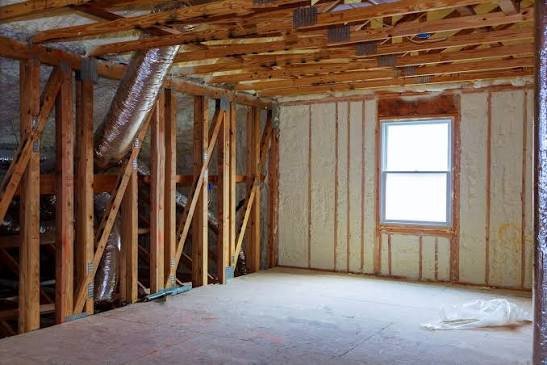
You are considering foam insulation for your home and want to find the best price without sacrificing quality. Foam offers superior insulation and air sealing compared to other materials, but it also costs more upfront. Understanding the pricing factors helps you get the best value for your investment. Spray foam provides exceptional energy efficiency that pays off over time through lower utility bills, explains PMI Central Oregon Property Management.
Foam insulation costs $2 to $4 per square foot installed for most residential applications. Open-cell open-cell costs $2 to $3 per square foot. Closed-cell foam costs $3 to $4 per square foot. The best price depends on the thickness needed for your target R-value, the accessibility of the area being insulated, and the competitive landscape of contractors in your area.
Open-Cell vs Closed-Cell Pricing
Open-cell open-cell costs $2 to $3 per square foot installed. It has an R-value of 3.5 to 4.0 per inch. Open-cell foam is lighter, less dense, and costs less than closed-cell foam. It is suitable for interior applications like attic floors and wall cavities where it provides good insulation and air sealing at a more affordable price point for homeowners.
Closed-cell closed-cell costs $3 to $4 per square foot installed. It has a higher R-value of 6.0 to 7.0 per inch, nearly double that of open-cell foam. Closed-cell foam is denser, stronger, and provides a moisture barrier that open-cell does not. It is recommended for exterior applications, crawl spaces, and areas exposed to moisture where the higher cost is justified by the additional benefits.
The best price for choice depends on selecting the right type for your application. Using closed-cell foam where open-cell would suffice increases your cost without proportional benefit. Using open-cell foam in a basement or crawl space where moisture is present may lead to problems. A reputable contractor recommends the appropriate type based on your specific needs and the area being insulated.
| Type | Cost per sq ft | R-value per inch | Best for | Sq ft coverage per project |
| Open-cell | $2 to $3 | 3.5 to 4.0 | Attics, interior walls | 1,000 to 2,000 sq ft |
| Closed-cell | $3 to $4 | 6.0 to 7.0 | Crawl spaces, rim joists, exteriors | 500 to 1,500 sq ft |
How to Compare Quotes for the Best Price
Getting multiple quotes is the most effective way to find the best price for foam insulation. Contact at least three reputable insulation contractors in your area. Ask each for a detailed written quote that includes the foam type, thickness, R-value, square footage covered, and total price. Comparing quotes on the same basis ensures you are comparing apples to apples when evaluating different contractors.
Be wary of quotes that are significantly lower than others. The material has a minimum cost for materials and labor. An unusually low quote may indicate the contractor is using less material, applying it too thin, or using a lower quality foam that does not meet the specified R-value. Cutting corners on poor insulation installation leads to reduced energy savings and may require reapplication sooner than expected.
When comparing quotes, look at the price per square foot at the specified thickness. Some contractors quote based on a 1-inch thickness while others quote for 3 inches. Make sure you are comparing the same thickness and R-value across all quotes. The total project cost divided by the square footage gives you the effective price per square foot for accurate comparison between contractors.
Factors That Affect Spray Foam Price
The thickness of the foam affects the price directly. The foam is priced by the board foot, which is one square foot at one inch thick. A 1,000-square-foot area at 3 inches thick requires 3,000 board feet of material. The more material needed, the higher the total cost. Choosing the right thickness for your target R-value ensures you get the best value without paying for unnecessary material.
Accessibility affects the price. Attics with easy access cost less to insulate than crawl spaces or tight areas where the installer must work in confined conditions. Areas that require more setup time or special equipment cost more per square foot. Ground-floor rim joists and attic floors are the most affordable areas to insulate with spray foam for most homes.
Season and demand affect pricing. Spring and fall are the busiest seasons for insulation contractors, and prices may be higher due to demand. Winter is typically the slowest season, and some contractors offer discounts to keep their crews busy. Booking your foam installation during the off-season can save 10 to 20 percent compared to peak season pricing for the same work.
DIY vs Professional Pricing
DIY DIY kits are available for small projects. A DIY kit covers 200 to 600 board feet and costs $300 to $900 per kit. The per-board-foot cost for DIY kits is higher than professional installation for larger projects. DIY kits are best for small areas like rim joists, gaps, and small crawl spaces where professional minimum charges make professional installation cost-prohibitive.
Professional installation costs $2 to $4 per square foot at the installed thickness. For a typical 1,000-square-foot attic at 3 inches thick, professional costs $3,000 to $6,000 depending on the foam type and regional labor rates. The professional price includes the equipment, material, labor, and cleanup. Professional installation provides a warranty on the workmanship and the foam performance.
The best price for spray foam is not always the lowest upfront cost. Consider the long-term value. Professional installation with proper thickness and coverage provides better energy savings and lasts longer than a DIY installation with a kit. The energy savings from properly installed foam often exceed the additional cost compared to DIY within a few years of installation.
An insulation contractor with 20 years of experience said: “The biggest mistake I see homeowners make when looking for the best pricing is choosing the cheapest quote without checking the contractor credentials. Foam installation requires training and experience. A bad installation can lead to off-ratio foam that does not cure properly, emits odors, or provides less insulation than expected. Always check the contractor references and credentials before hiring.”
Energy Savings and Return on Investment
The best price for pricing must be evaluated in context of the energy savings it provides. This material reduces heating and cooling costs by 20 to 50 percent compared to uninsulated areas or areas with insufficient insulation. The higher upfront cost of the cost is offset by lower monthly utility bills and the increased comfort of a well-insulated home throughout the year.
The federal tax credit covers 30 percent of the cost of foam insulation up to $1,200 per year. This credit significantly reduces the net cost of foam installation and improves the return on investment. Many states also offer additional rebates and incentives for energy-efficient home improvements that can further reduce the effective price you pay for spray foam insulation.
Foam insulation also increases home value. A well-insulated home with foam is more attractive to buyers because of the lower energy costs and improved comfort. This foam in the attic and crawl space can increase home value by 1 to 3 percent of the home price, which can offset a significant portion of the installation cost when you sell your home.
Frequently Asked Questions
How can I get the best price on spray foam insulation?
Get at least three quotes from licensed contractors. Choose the right foam type for your application. Consider off-season installation. The lowest quote may not be the best value if quality is compromised.
How much does foam cost compared to other insulation?
Foam costs $2 to $4 per sq ft. Fiberglass costs $1 to $2. Cellulose costs $1.50 to $2.50. Foam costs more but provides better insulation and air sealing for energy savings.
Does foam pay for itself in energy savings?
Yes, foam pays for itself in 3 to 7 years. The federal tax credit covers 30 percent up to $1,200, improving the return on investment for homeowners.
Is DIY or professional foam a better value?
DIY kits cost $300 to $900 but cover small areas. Professional installation costs $2 to $4 per sq ft and is better value for larger projects because of lower per-unit costs and quality warranty.
What thickness of foam thickness do I need?
Attics need 3 to 5 inches of open-cell or 2 to 3 inches o. Walls need 2 to 3 inches of closed-cell. Thickness depends on the target R-value for your climate.
Is there a best time of year for foam pricing?
Winter is typically the best time for pricing because dem. Some contractors offer 10 to 20 percent discounts during the slow season for installations.
How does R-value affect the price of foam?
Higher R-values require more foam thickness, which increa. The price per board foot is consistent, so more thickness means higher total cost for the project.
Does foam installation come with a warranty?
Professional installation includes a warranty on workmanship. Most manufacturers offer a material warranty covering defects. DIY kits have no installation warranty for the work.
