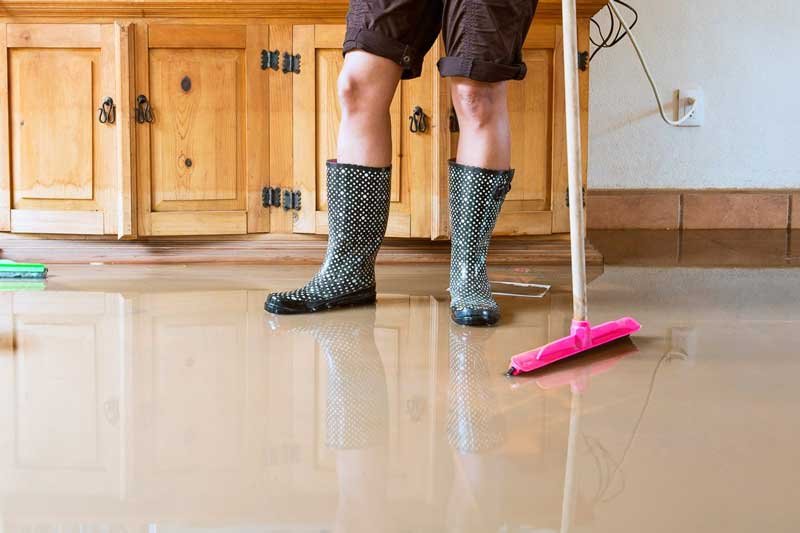
Home ownership brings many joys, but sudden plumbing disasters can quickly turn that dream into a stressful and expensive nightmare. Plumbing leaks and burst pipes are among the most common causes of home insurance claims in Australia, making preventative maintenance more important than ever.
The financial impact of internal residential flooding has increased significantly in recent years. Water damage can result in extensive repair costs, making it essential for homeowners to understand where their property is most vulnerable and take proactive steps to reinforce those areas before disaster strikes. Knowing exactly who to contact during a crisis is just as important as maintaining your fixtures. Saving the contact details of an emergency plumber Wollongong homeowners recommend can make all the difference in stopping the flow before major structural damage occurs.
The Hidden Danger Under Your Sink
Many homeowners assume that massive floods only happen during extreme storms, but one of the biggest risks is often hidden beneath the kitchen or bathroom sink. Flexible braided hoses, commonly known as flexi-hoses, are widely recognised as a common cause of internal water damage in Australian homes. Because the internal rubber lining of a flexi-hose ages invisibly behind its stainless steel mesh, it can burst without any obvious warning signs.
A compromised flexi-hose can release a substantial amount of water into a home in a very short period, causing significant structural damage before the leak is discovered, says the Secure Door Property Management team. A major factor accelerating this degradation is the common habit of storing household cleaning chemicals under sinks. The trapped chemical fumes create a highly corrosive environment that slowly eats away at the braided steel sleeve over time.
When upgrading these high-traffic wet areas to limit moisture damage, it is smart to consider durable and resilient fixtures from the start. For instance, researching the best sink material for kitchen that is easy to clean ensures you have a high-quality, non-porous surface that withstands heavy daily water use and protects the cabinetry below from gradual seepage.
Why You Need a Rapid Response Plan
Many homeowners experience water damage while they are actually at home, disproving the common belief that major plumbing failures only occur when a property is vacant. Even so, many people are unable to stop the water flow quickly because they are unfamiliar with the location of the property’s main shut-off valve or how to operate it.
The Australian insurance industry categorises these sudden plumbing failures under escape of liquid clauses. These policies typically cover the resulting structural damage to the home, but they explicitly do not cover the cost of repairing or replacing the faulty plumbing fixture itself.
Furthermore, underwriters increasingly warn that using unverified DIY methods for plumbing installations or repairs can completely void your insurance payout in the event of a flood. This makes the use of licensed professionals absolutely mandatory. Having a vetted expert on standby is crucial for protecting your property and ensuring that your insurance claims remain entirely valid.
The Long-Term Health Impacts of Water Damage
The immediate structural and financial damage caused by flooding can be devastating, but the secondary effects may be even more serious. When a burst pipe or slow leak is left untreated, moisture quickly penetrates drywall, insulation, and floorboards, creating ideal conditions for mould and mildew to develop and spread throughout the home.
Protecting your property from water damage is not just about saving your floorboards. It is a critical safety measure to protect your family’s long-term health. The global medical consensus firmly supports this urgency. According to official World Health Organization guidelines regarding indoor air quality, persistent building moisture causes increased prevalence of respiratory symptoms, allergies and asthma as well as perturbation of the immunological system.
Practical Steps to Safeguard Your Property
The recent spike in high-cost water damage claims has led to stricter insurance policy exclusions, especially for multi-story homes. With total insured property losses from extreme weather and severe water inundation jumping dramatically in recent years, homeowners must focus heavily on preventative maintenance.
Here are a few actionable steps to safeguard your home against costly plumbing disasters:
Locate your water main: Find your property’s main water shut-off valve today and test it to ensure it turns easily. Everyone in the household should know exactly where it is.
Replace flexi-hoses proactively: Follow the manufacturer’s maintenance recommendations and inspect flexi-hoses regularly for signs of wear. Replacing ageing hoses before they fail can significantly reduce the risk of unexpected water damage.
Relocate cleaning chemicals: Move harsh, corrosive cleaning products away from enclosed spaces that house exposed plumbing fixtures.
Avoid DIY plumbing repairs: Always hire a licensed professional for wet-area upgrades to ensure your home insurance policy remains completely valid.
Taking the time to understand your plumbing system and prepare for potential emergencies can help prevent costly repairs, protect your family’s health, and provide lasting peace of mind.
