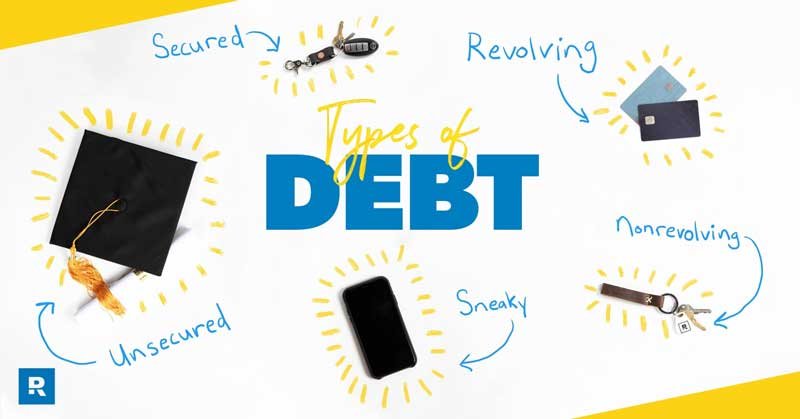
Many contemporary debt payment tools are marketed as smart ways to manage your finances. But sometimes, they can have the opposite effect. Whether you’re earning credit card rewards or choosing flexible payment plans, it can be easy to think you’re making fiscally sound decisions. However, the reality is that these solutions encourage spending more than you first intended, which can lead to long-term debt. Here’s more about debt disguised as smart spending.
Why These Payment Methods Feel So Appealing
Stores and banks understand that consumers are more likely to make purchases when payments feel smaller or more manageable. When you split a $300 purchase into four $75 payments, the expense can seem less significant, even though the total amount stays the same.
Likewise, rewards and cashback offers can make it seem as though every purchase is producing savings. While benefits such as Nordstrom cashback offers, can provide value when used responsibly, it’s important to make sure they’re of genuine benefit.
The Psychology Behind Overspending
According to behavioral economists, consumers experience less “payment pain” when installment plans or digital transactions replace cash. The less immediate the financial impact feels, the easier it becomes to rationalize bigger purchases.
Buy Now, Pay Later (BNPL) services are particularly effective because they separate the excitement of buying from the discomfort of paying. Because the cost is divided across several payments, consumers may underestimate how much they’ll spend overall. At length, multiple installment plans can overlap and make it difficult to make monthly payments.
Credit cards produce a similar psychological effect. Payment is delayed until a future billing cycle, so buyers often spend more than they would if paying with cash or with a debit card.
How Marketing Shapes Spending Habits
Companies deliberately play up affordability instead of total cost. For example, ads will often use phrases like, “Only $49 today,” “Earn rewards on every purchase,” “0% interest for 12 months,” or “Pay in four easy installments.” Such messages alter the perceived financial burden of a purchase. Rather than assessing whether something fits within your monthly budget, you’re encouraged to focus on how easy the payment appears.
Even financing promotions with legit 0% interest can become costly if you don’t repay the balance before the promotional period ends, when interest rates shoot back up.
When Rewards Stop Saving You Money
Airline miles, cashback, and loyalty points are valuable only if purchases were already planned. Problems crop up when you increase spending just to earn additional rewards.
For example, spending an additional $400 to earn $10 or $20 in cashback hardly ever represents true savings. Instead, it results in greater overall expenses and makes your personal budget less effective. Retailers understand this behavior and often craft loyalty programs to encourage repeat purchases rather than help you spend less.
Recognizing the Warning Signs
Debt that’s disguised as smart spending often develops gradually.
Common warning signs include:
- Carrying credit card balances despite earning rewards
- Managing multiple BNPL payment schedules simultaneously
- Buying good mainly because financing is available
- Justifying unnecessary spending by focusing on points or cashback
- Losing track of total monthly payment obligations
Such behaviors can produce financial stress even when your monthly payments appear affordable.
When used responsibly, convenient payment options can simplify financial management. However, they can also disguise debt as smart spending. Developing awareness of marketing strategies that subtly encourage you to spend more allows you to make purchasing decisions based on your financial priorities – not the illusion of savings.
