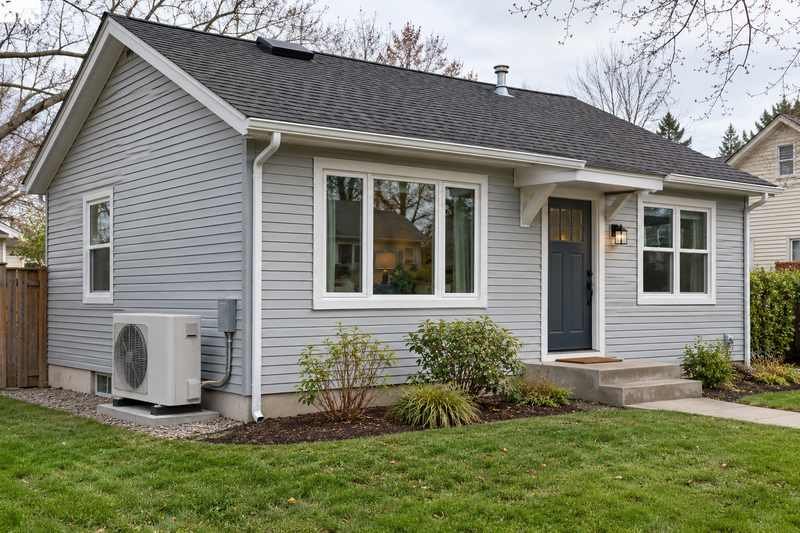
The best home energy efficiency improvements start with air sealing and insulation, which ENERGY STAR says can shave up to 10 percent off annual energy bills, then the water heater and the heating-cooling system, then windows, because nearly half of the average bill and more than $900 a year go to heating and cooling. A heat pump water heater can save a typical household roughly $550 a year, making it the second-biggest saving after the envelope.
Written as a selection tool, the comparison below ranks the energy efficiency improvements by savings potential, cost, climate fit, durability, upkeep, and failure risk.
It closes with a checklist for different homeowner profiles. If you are weighing the insulation side of the envelope first, the fiberglass insulation pros and cons guide covers that material.
The best home energy efficiency improvements by return
Seal the air envelope and insulate the attic first, because conditioning lost air is the largest single leak; then attack the water heater and the HVAC, which together drive most of the rest of the bill; then upgrade windows. That order gets the biggest return for the least waste.
The math behind it is simple: if most of your bill is heating and cooling, the savings live where that energy escapes, the air leaks and the uninsulated attic and walls, not in a new window that a leak can still bypass. Energy Star puts the heating-cooling share of the average bill near half, so the cheapest, highest-payback work is stopping that air movement before you touch appliances. On the water-heating side, a heat pump water heater is costlier up front but is one of the highest single-appliance savings available.
Energy efficiency improvements compared by use case
Air sealing and attic insulation win on savings per dollar in most homes, a heat pump water heater wins for the hot-water-heavy household, a high-efficiency heat pump suits a heating-cooling load, and low-e windows matter most where the glass is a real heat-loss path. The matrix below maps each improvement to the conditions where it pays.
| Improvement | Best fit | Savings potential | Cost factor | Climate | Upkeep | Main failure |
|---|---|---|---|---|---|---|
| Air sealing + attic insulation | Most homes, leaky drafts | Up to ~10% of bills | Low to moderate | All | Low | Work undone if gaps return |
| Heat pump water heater | Hot-water-heavy households | Roughly $550/yr | Higher up front | Mild to warm | Low | Higher cost, needs space |
| High-efficiency heat pump HVAC | Heating + cooling load | Can cut heating-cooling use | Higher | Cold/hot | Moderate | Wrong sizing kills savings |
| Low-E / double-pane windows | Where glass loses heat | Low-e cuts heat loss 30-50% | Highest | Cold | Low | Cost, leak if poorly fitted |
| No-cost habits + thermostat | Every home, fast win | Modest but instant | None | All | None | Easily undone by habit |
Read the failure column as your risk check: the cheapest habit changes never fail, the envelope can be undone by sloppy work, and a window that is not fitted correctly can leak even with good glass. Choose the row that matches what you are actually fighting, a draft, a hot-water bill, or a high heating load.
Low-cost versus comprehensive energy efficiency upgrades
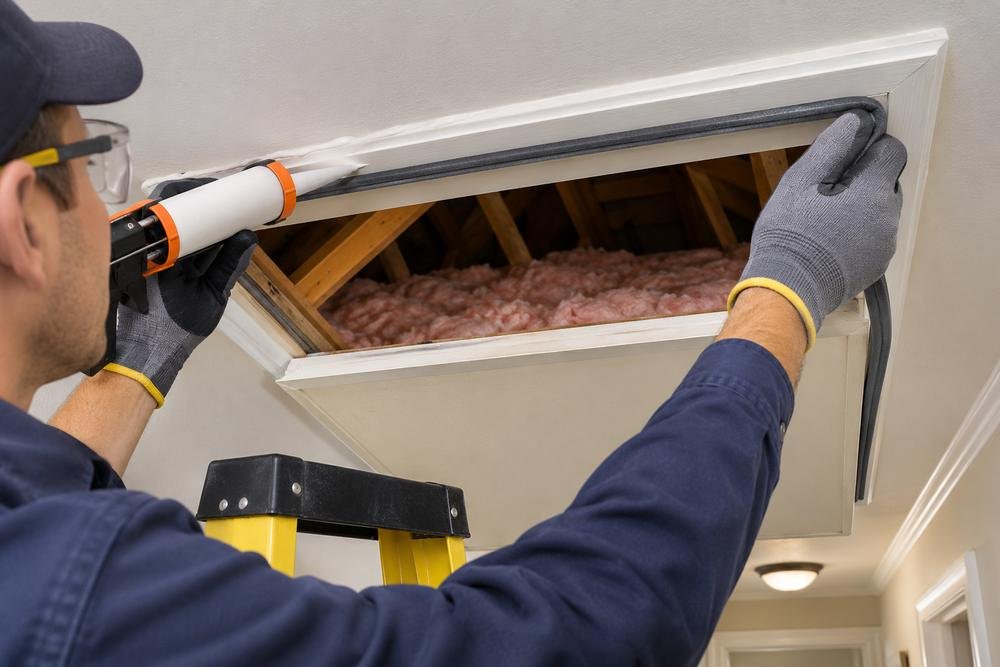
Start with the no-cost and low-cost wins, air sealing with caulk and weatherstripping, furnace filter changes, and a thermostat setback, then move to the moderate-cost envelope and water heater work.
Only then consider a comprehensive HVAC and window retrofit; each step pays before the next is worth it.
The lowest-cost items need no permit and no contractor: weatherstripping around doors and windows, caulking the obvious leaks, cleaning or swapping the furnace filter, and setting the thermostat and the water heater temperature (a 120-degree water heater setting can trim a share of that bill). The moderate tier is insulation and a heat pump water heater. The comprehensive tier, a duct-sealing and heat-pump upgrade and full window replacement, costs the most but completes the savings if the cheaper work is already done.
Climate-specific energy efficiency improvements
Cold climates reward the highest insulation depth and the tightest air seal, hot-humid climates need efficient cooling and vapor control more than the deepest R-value, and mild climates can do well with a heat pump water heater and a modest envelope. Match the upgrade to the season you spend your bill on.
In a cold region, air sealing, attic depth, and a high-efficiency heat pump carry the most weight. In a hot one, cooling efficiency and a tight, vapor-smart envelope matter as much as insulation depth. Around the water heater, a heat pump model pays in any climate but especially where hot water is used heavily. Your zone’s code sets the insulation target, so confirm that number for your area before you buy.
Choosing the best energy efficiency improvements, profile by profile
Match the improvement to your budget and your biggest bill: a budget homeowner starts with air sealing and habits, a cold-climate homeowner prioritizes the envelope and a high-efficiency heat pump, a hot-water-heavy home takes the heat pump water heater, and a comprehensive retrofit suits the homeowner ready to spend on the whole system.
- No-cost, this week: weatherstripping, caulk obvious leaks, swap the filter, set the thermostat.
- Low budget, biggest return: attic insulation and air sealing.
- Hot-water-heavy: a heat pump water heater.
- High heating or cooling load: a correctly sized high-efficiency heat pump.
- Cold climate, glass loses heat: low-e or double-pane windows.
- Comprehensive: envelope + duct seal + heat pump + water heater together.
Each upgrade may qualify for the current federal tax credits or home-energy rebates, and the amounts and eligibility change, so check the U.S. Department of Energy home-upgrades guide before you commit to any single project. That saves money at the register as well as on the bill.
Questions homeowners ask about energy efficiency
What is the best way to increase my home’s energy efficiency?
Start with air sealing and attic insulation, which Energy Star says can save up to 10 percent on annual bills, then add a heat pump water heater and a high-efficiency heat pump, and finally windows. The order matters more than any single purchase.
Which home improvement has the highest energy savings potential?
The biggest single lever for most homes is air sealing plus insulation, because heating and cooling is the largest share of the bill. After the envelope, a heat pump water heater is the highest single-appliance savings, at roughly $550 a year for a typical household.
What wastes the most electricity in a house?
Heating and cooling lead, using close to half the average bill, followed by water heating. Air leaks, an uninsulated attic, an old water heater, and constant full-tilt thermostat settings are where that waste concentrates.
How do I make my home more energy efficient in winter?
Seal the air leaks, add or top up attic insulation, keep the furnace filter clean, and set the thermostat down a few degrees. These low-cost steps address the largest winter leak before any appliance replacement.
The insulation material behind the attic and wall leak, a core part of the envelope recommendation above, is covered in the fiberglass insulation pros and cons guide so you can choose what to install after you seal the drafts.
The improvement that pays first
Seal the envelope, then insulate it, because stopping air movement is the cheapest and highest-return energy efficiency improvement for most homes.
Start this week with the no-cost habits, schedule the attic insulation and air seal, and check the current tax credits and rebates before you buy anything bigger.
Every upgrade you do after the drafts are plugged earns back faster than the one before it.
