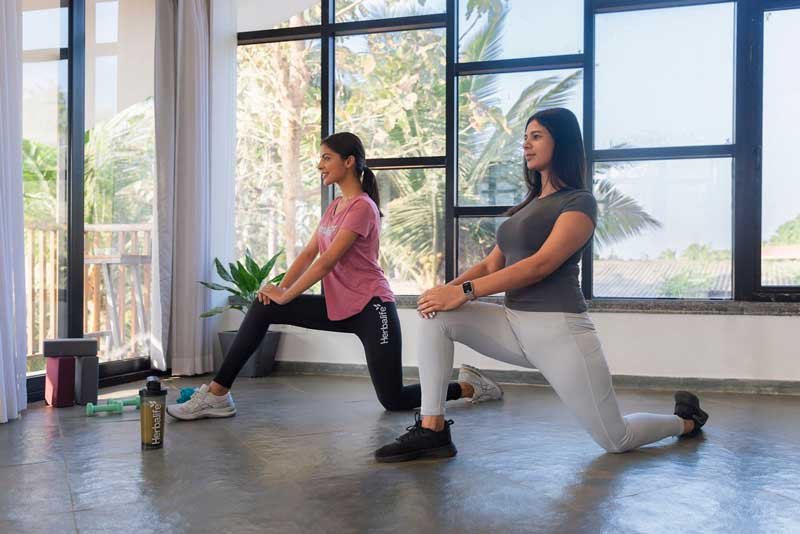
The global wellness tourism sector has seen explosive growth in recent years, with travel expenditures expected to surpass 1.06 trillion dollars in 2026. Alongside this boom, slow travel and soft adventures are emerging as dominant trends. Travelers are now prioritizing longer, low-impact stays and gentle outdoor exploration over rushed, multi-city itineraries. However, for the over 53 million American adults living with diagnosed arthritis or general joint discomfort, planning a getaway can still feel daunting. Finding ways to stay active, comfortable, and pain-free is essential for a successful trip. Before embarking on an active vacation, establishing a solid wellness routine is key. This holistic preparation involves everything from choosing joint-friendly gear to taking proactive steps to protect yourself and your valuables in the sun during long days of sightseeing.
Smart Packing for Joint Protection
Extended periods of walking on unfamiliar cobblestone streets, navigating transit hubs, or tackling uneven hiking trails are major triggers for osteoarthritis flare-ups during vacations. Being properly prepared starts long before you reach your destination, beginning with what you put in your suitcase. Because most major airlines strictly prohibit standard, non-folding walking poles in the main cabin, travelers are often forced to rethink their mobility gear. Packing collapsible walking sticks in your checked or carry-on luggage ensures you have the structural support you need without the hassle of navigating airport security with oversized, awkward items.
When selecting this gear, material matters immensely. Opting for modern carbon fiber models can save you from unnecessary upper body strain. These lightweight tools typically weigh between just 6 to 14 ounces. Unlike rigid metal or heavy wood, carbon fiber possesses natural vibration-damping properties that absorb the micro-shocks from pavement and trails. This unique characteristic significantly reduces elbow and shoulder fatigue throughout a long day of touring.
The Biomechanics of Better Support
Using support while walking is no longer seen solely as a medical necessity. Today, it is widely recognized as a smart, preventative strategy for anyone wanting to maintain an active lifestyle while protecting their body from wear and tear. The biomechanical benefits of offloading weight are well documented by medical professionals. According to experts at Harvard Medical School, using walking poles can significantly reduce strain on your knees and ankles by effectively shifting pressure away from your legs as you navigate uneven surfaces or descend hills.
Over the course of just one thousand steps, utilizing a lightweight support tool can save a user from lifting hundreds of pounds of cumulative load through their wrists and shoulders. By transferring a portion of your body weight to your upper extremities, you preserve the delicate cartilage in your lower joints. This proactive approach allows you to walk further and recover faster during your travels.
Daily Habits to Keep You Moving
Beyond carrying the right physical gear, managing your internal wellness during the actual journey is crucial for joint health. Commercial air travel can directly exacerbate joint stiffness due to low cabin pressure, which allows gases within the body to expand. Furthermore, dry recycled air dehydrates joint cartilage, leaving you feeling stiff before you even land. To combat these travel-induced aches, consider integrating a few proactive habits into your daily vacation itinerary:
Incorporate micro-movement snacks: Wellness experts highly recommend short bursts of mobility to prevent travel-induced joint lockup. Simple actions like stretching in an airplane aisle or taking brief walks during road trip rest stops make a massive difference.
Stay adequately hydrated: Drink plenty of water before and during long transit periods to keep your joint cartilage lubricated and to counteract the dehydrating effects of airplane cabins.
Monitor local weather changes: Sudden drops in barometric pressure caused by shifting weather patterns can cause tissues surrounding the joints to swell slightly. Be prepared with gentle stretching or anti-inflammatory strategies if you are traveling to a region with unpredictable climates.
Pace your daily itinerary: Embrace the slow travel trend by building rest days into your schedule. Prioritize gentle outdoor exploration and give your body ample time to recover after heavy sightseeing days.
Traveling with joint sensitivity does not mean you have to miss out on the world’s most beautiful destinations. By preparing your body for the physical demands of transit, choosing travel-friendly support gear, and pacing your adventures appropriately, you can enjoy a comfortable, pain-free vacation. With a little strategic planning, your next trip can be an opportunity to rejuvenate your body rather than deplete it.
