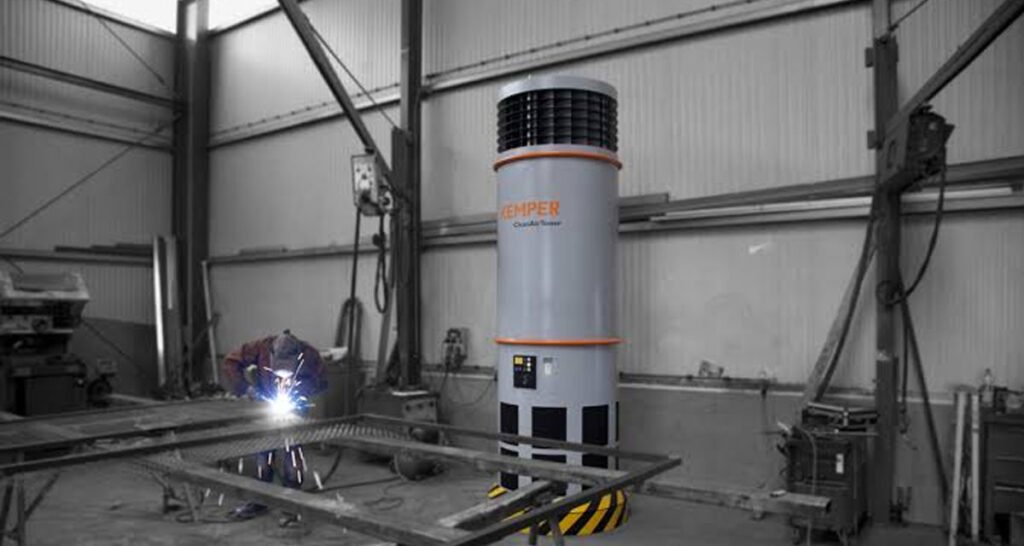
Walk into almost any manufacturing facility and there is a lot happening all at the same time. Machinery is running, materials are being cut or processed, and heat, dust, fumes, and other airborne particles can quickly become part of the working environment. Without the right ventilation in place, those contaminants can build up and make the space less comfortable and potentially less safe for the people working there.
That is why effective ventilation is such an important part of a well-run manufacturing facility. It helps keep the air cleaner, supports employee wellbeing, and can even help protect machinery, products, and day-to-day operations.
Removing Harmful Airborne Contaminants
Lots of manufacturing processes generate dust, fumes, vapors, gases, or other airborne particles. Welding, cutting, sanding, spraying, and chemical processing are just a few examples of activities that can release contaminants into the air.
General ventilation can help circulate fresh air throughout a building, while local exhaust ventilation systems are designed to capture contaminants closer to where they are produced. This helps prevent potentially harmful substances from spreading around the workplace and being inhaled by employees. If your business uses local exhaust ventilation, regular LEV testing can also help confirm that systems are continuing to perform as intended and effectively control workplace exposure.
Creating A More Comfortable Workplace
Ventilation is not only about controlling hazardous substances. Manufacturing facilities can also become hot, humid, and uncomfortable, particularly when machinery generates significant amounts of heat.
Effective airflow can help remove excess heat and create a more manageable working environment. Employees who are comfortable are more likely to stay focused throughout their shifts, while excessive heat and poor air quality can lead to tiredness and reduced concentration.
Good ventilation therefore plays an important role in creating a workplace where people can work comfortably and efficiently.
Protecting Equipment And Products
Air quality can affect more than the people working inside a manufacturing facility. Dust, moisture, and airborne particles can also settle on machinery, electrical components, and finished products.
Over time, this contamination might lead to equipment problems or create even more cleaning and maintenance requirements. In industries where product cleanliness or quality control is particularly important, airborne particles could also interfere with production standards.
A suitable ventilation system helps reduce these risks by controlling contaminants before they spread throughout the facility.
Supporting Workplace Safety
Manufacturing businesses need to identify and manage a wide range of workplace risks, and air quality should be part of that process. Just installing a ventilation system is not always enough. Businesses also need to make sure it is suitable for the work being carried out and continues to operate effectively.
Regular inspections, maintenance, and testing can help identify issues such as blocked filters, damaged ductwork, or reduced extraction performance before they become bigger problems.
Making Ventilation Part Of Everyday Operations
Ventilation can easily fade into the background because, when it is working properly, employees may barely notice it. However, it has an important role in keeping manufacturing environments safe, comfortable, and productive.
By choosing appropriate ventilation systems and maintaining them properly, manufacturers can improve air quality, protect their workforce, and create better conditions for both people and equipment. In a busy industrial setting, effective ventilation should be seen as an essential part of everyday operations rather than an afterthought.
