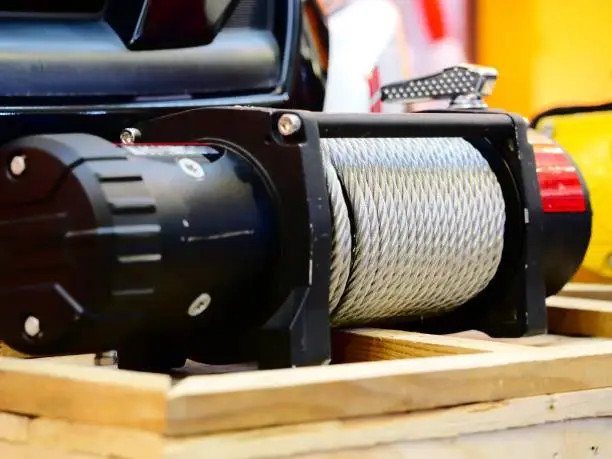
An ATV can handle rough terrain, muddy paths, and steep tracks, but some obstacles require more than engine power. Deep mud, loose rocks, fallen branches, and uneven slopes can leave a vehicle stuck. In these situations, a winch provides controlled pulling force to help recover the ATV or move obstacles.
An electric ATV winch can make trail riding more manageable when conditions become difficult. It uses an electric motor and a cable or synthetic rope to pull a load toward the vehicle. Riders can operate the winch through a wired or wireless control, depending on the system. Understanding when to use one, how it works, and what features matter can help riders prepare for challenging outdoor conditions.
Situations Where an ATV Winch Makes a Difference
Trail conditions can change quickly, especially after heavy rain or during long off-road trips. A path that looks manageable at first may contain soft soil, hidden rocks, or deep water. A waterproof electric winch offers an additional recovery option when the tires lose traction and the vehicle cannot move forward.
Mud is one of the most common situations where a winch becomes useful. When tires sink into wet ground, spinning them repeatedly can dig the vehicle deeper. A suitable anchor point and controlled winching can help pull the ATV onto firmer terrain. This approach also reduces unnecessary strain on the drivetrain.
Steep trails present another challenge. An ATV may struggle to climb a slippery incline or maintain its position on loose ground. A winch can provide assistance during recovery, although riders must still consider the vehicle’s stability and the direction of the pull.
Why Waterproof Protection Matters on Outdoor Trails
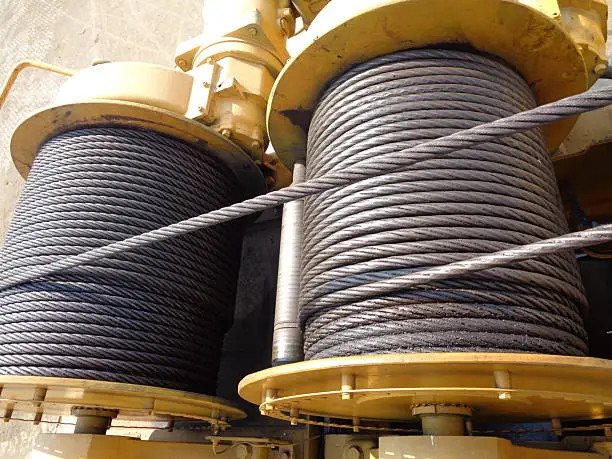
Off-road riding often exposes equipment to rain, splashes, wet soil, and muddy conditions. Water can reach electrical components during stream crossings or rides through flooded sections. An electric ATV winch is designed to provide reliable pulling support in these conditions, while its level of protection against moisture depends on its construction and rated protection level.
However, waterproof protection does not mean every winch can operate underwater. Riders should check the manufacturer’s stated ingress protection rating and installation instructions. Seals, connectors, and electrical connections all affect how well a system handles moisture. Regular inspection is also necessary because damaged seals and loose connections can reduce protection over time.
Wet conditions can also affect the rope, mounting hardware, and electrical system. Mud and grit may collect around the drum or fairlead, increasing wear if they remain there. Cleaning the equipment after demanding rides helps maintain smooth operation and makes it easier to identify damage before the next trip.
How Winch Capacity Affects Recovery
Pulling capacity is one of the first specifications to check when selecting a winch. The required capacity depends on the ATV’s weight, the terrain, and the type of recovery involved. A vehicle stuck in thick mud may need considerably more pulling force than one resting on a firm, level surface.
A winch’s rated line pull describes the maximum force it can exert under specified conditions. It does not mean the winch can safely pull every vehicle weighing less than that number in every situation. Riders should follow the ATV manufacturer’s recommendations and the winch manufacturer’s capacity guidelines. Using a winch beyond its rated limits can damage equipment and create serious safety risks.
Synthetic Rope and Its Role in Trail Recovery
The rope affects how a winch performs and how easily riders can handle it during recovery. Synthetic rope is lighter than traditional steel cable and can be easier to manage when connecting to an anchor point. It also floats in water, which can be useful around streams and wet trails.
However, synthetic rope needs proper care. Sharp rocks, excessive friction, and rough surfaces can damage its fibers. Riders should inspect the entire rope for cuts, abrasion, and other signs of wear before using it. Keeping the rope clean and storing it correctly can help extend its working life.
Remote Controls Offer More Flexibility
A winch’s control system affects how easily a rider can manage a recovery. Wired controls connect directly to the winch system, while wireless remotes allow operation from a distance. The latter can be useful when the rider needs to stand in a position with a clear view of the vehicle and the pulling direction.
Remote operation does not remove the need for careful positioning. Riders should stay away from the loaded rope and avoid standing in its direct path. They should also maintain a clear view of the recovery whenever possible. Following the manufacturer’s operating instructions helps reduce the risk of sudden movement or equipment failure.
Mounting and Electrical Setup Before the First Ride
Even a well-designed winch cannot perform properly without a suitable mounting arrangement. The mounting plate must match the ATV and support the forces generated during recovery. An incorrect installation can place unnecessary stress on the frame or cause the winch to shift under load.
Electrical compatibility matters just as much. Riders should check the winch’s voltage requirements, battery capacity, wiring specifications, and connection instructions. A 12-volt winch, for example, requires a compatible electrical system and suitable wiring. Poor connections can cause voltage loss, overheating, or unreliable operation.
Before heading onto a difficult trail, test the winch in a safe location. Check the controls, clutch, braking mechanism, and rope movement. Make sure the mounting hardware remains secure and that the rope winds evenly onto the drum.
Safe Recovery Practices in Challenging Conditions
Winching requires more care than simply attaching a rope and pressing a button. The anchor point must be strong enough to handle the expected load. A suitable tree strap can help protect trees when they are used as anchors, while approved recovery points provide another option.
During recovery, keep bystanders at a safe distance. Never use damaged ropes, hooks, straps, or other recovery equipment. Avoid sudden jerking movements, which can increase the force placed on the entire setup. If the ATV is dangerously tilted or the anchor point is unstable, stop and reassess the recovery plan.
An electric ATV winch is a recovery tool, not a substitute for sound trail judgment. Riders should avoid entering terrain that exceeds their vehicle’s capabilities. Carrying basic recovery equipment and riding with a partner can also make remote trips safer.
When a Waterproof Electric Winch Is Worth Considering
A waterproof electric winch can be particularly useful for riders who regularly encounter wet trails, muddy tracks, and unpredictable weather. Its moisture protection can help reduce the risk of water-related damage when the system is exposed to splashes and rain. This makes protection ratings an important consideration when comparing different models.
Still, riders should look beyond the waterproof label. They should examine the winch’s pulling capacity, rope type, control options, mounting dimensions, and electrical requirements. A suitable winch should match the ATV and the terrain rather than simply offer the highest advertised pulling figure.
Maintenance also plays a major role in long-term reliability. Cleaning the winch after muddy rides, checking electrical connections, and inspecting the rope can reveal small problems before they become serious. Proper storage and regular testing help keep the equipment ready for the next recovery.
FAQs
1. When should an ATV rider use an electric winch?
An ATV rider can use a winch when the vehicle becomes stuck in mud, loses traction on a slope, or needs controlled assistance over difficult ground. It can also help move certain obstacles when the equipment and setup are suitable. The rider should assess the terrain and anchor point before starting.
2. Does a waterproof electric winch work underwater?
Not necessarily. Waterproof protection varies between models and depends on their design and rated protection level. Riders should check the manufacturer’s specifications before exposing a winch to deep water. A waterproof label alone does not confirm that the unit can operate while submerged.
3. Is synthetic rope suitable for muddy trails?
Synthetic rope can work well on muddy trails because it is lightweight and easier to handle than many steel cables. However, mud and grit can cause abrasion if they remain on the rope. Cleaning and inspecting it after use helps reduce wear.
4. How much pulling capacity does an electric ATV winch need?
The required capacity depends on the ATV’s weight, the recovery conditions, and the manufacturer’s recommendations. Deep mud and steep inclines can increase the force needed to move a vehicle. Riders should select a winch with an appropriate rated capacity rather than relying on vehicle weight alone.
5. Can a wireless winch remote improve recovery safety?
A wireless remote can let riders operate a winch from a position that offers a better view of the recovery. This can help them monitor the vehicle and keep a safer distance from moving equipment. However, safe positioning, proper rigging, and careful operation remain essential.
6. How often should an ATV winch be inspected?
Inspect the winch before demanding rides and after recoveries involving mud, water, or heavy loads. Check the rope, hook, mounting hardware, electrical connections, and control system for visible damage. Follow the manufacturer’s maintenance schedule for more detailed servicing.
Conclusion
A winch can make difficult trail conditions more manageable when riders choose equipment that matches their ATV and recovery needs. Pulling capacity, rope construction, moisture protection, and control options all influence how well a system suits a particular environment. Careful installation, routine inspections, and safe recovery practices help riders get useful service from their equipment while reducing avoidable risks.
