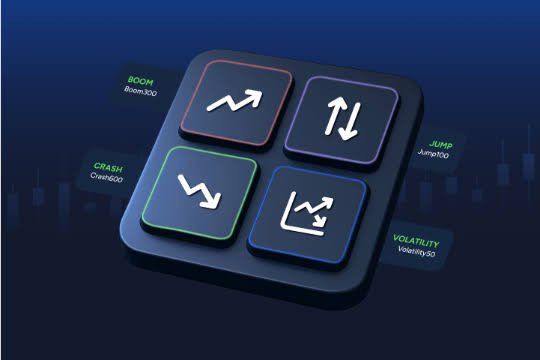
Many markets around the world sleep when the city in which they are located does. But not synthetic indices. This trading instrument never clocks out, not even on a Sunday night. Regardless of the time, you will find prices on simulated feeds moving continuously. And you know what this means, right? You can practice whenever you like.
You might have heard friends talk about volatility indices. And you are probably asking yourself, “When did synthetic indices start?” We have created this simple guide to help you learn the basics and even place your first trade with confidence.
What Is Synthetic Trading?
When we talk about synthetic trading, we are simply referring to financial instruments that follow computer-made prices, not traditional instruments like stocks or commodities. The prices are set by a certified random number generator. This is the main reason why earnings reports, rate decisions, and political news don’t affect synthetic trading.
When Did Synthetic Indices Start?
The synthetic indices journey started off in the early 2010s. Various online brokers rolled out simulated volatility markets so that clients could trade at any hour, even when traditional exchanges were shut.
It is good to note that the start dates may vary according to the provider. Therefore, check your broker’s site for exact details. Today, these products form a major part of retail trading platforms.
Understanding Volatility Indices
Volatility indices reviewed on Syntxwiki come with numbers like 10, 25, 50, 75, and 100. The number shows roughly how much the price will move. Volatility 10 drifts slowly, whereas Volatility 100 jumps around fast.
If you are new to synthetic trading, begin with the lower numbers because the moves are smaller and easier to handle.
How Volatility Indices Differ from Forex
There are various reasons why volatility indices differ from forex. When it comes to forex, the market moves when central banks act, trade reports are released, and big news hits. The prices can also jump without warning.
Volatility indices are not influenced by external factors. The only problem is that fast moves can still happen. Accordingly, leverage can wipe out a small account in minutes.
Smart Risk Rules for Beginners
For all the beginners who are reading this, here is a good tip to keep in mind: protect your money carefully. Only risk one or two percent of your account balance on each trade. Also, place a stop loss before you click buy or sell.
You are probably asking, “Why should I keep my lots small?” The main reason behind this is that volatility indices move fast. Plus, leverage hits your losses as hard as your wins. Don’t try to win it back with a bigger trade. Set a daily loss limit and walk away when you hit it.
Conclusion
Ever tried a demo account for synthetic trading? It gives beginners an open market any hour of the day. Learn how volatility indices move and check when did synthetic indices start since that history shows how far they have come.
Keep your risk rules tight. Practice on demo this week, build a small routine, and go live only when you feel patient. Losses can happen.
