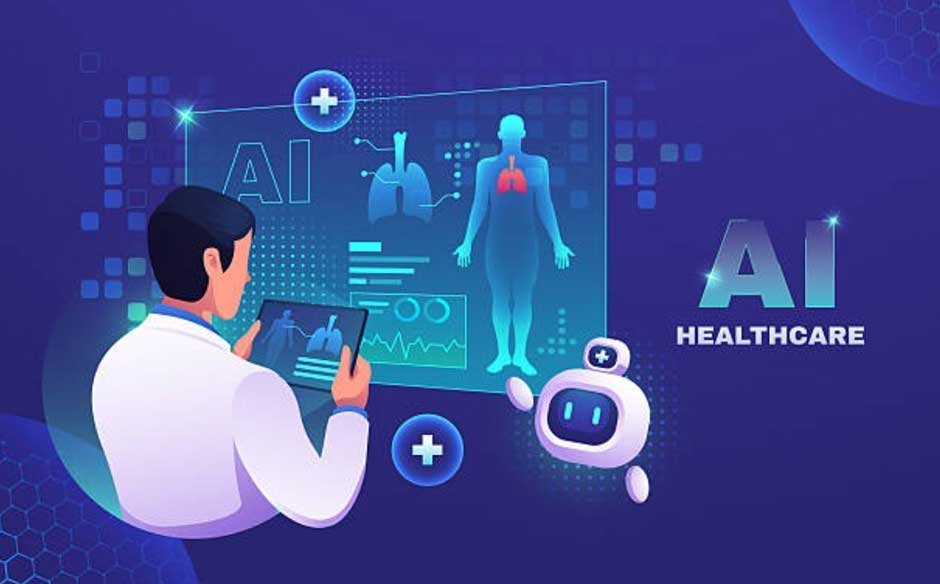
The interrelation between AI in the healthcare field and proper weight management is growing stronger each year. With the rise in lifestyle diseases and more individuals having complications in areas like obesity and metabolism, healthcare has shifted to smart technologies, which may help direct patients to healthier and more sustainable habits. The implementation of AI is not substituting the functions of doctors; it is just providing them with improved tools to track, predict, and treat each individual accordingly.
The New Age of Individual Health.
Conventional weight-loss programs tend to fail since they cover an all-purpose method. Two individuals may take the same food, work out in a similar manner, and yet record totally different outcomes. It is in this area that artificial intelligence would come into play. AI is able to examine thousands of health parameters, such as sleep, heart rate, blood sugar, nutrition, stress level, and activity patterns, to generate individual health recommendations.
Rather than conjecturing on possible workable things, AI assists in determining what will work depending on the current health condition of the person. This causes more effective and safer weight management plans.
Earlier Intervention of Health Hazards.
All weight concerns are not superficial- it has a direct relationship with health in the long run. Obesity exposes one to the danger of diabetes, hypertension, fatty liver, heart disease, and hormonal imbalance. AI in healthcare aids physicians in identifying such risks at their onset through the automated processing of medical records, biomarkers, and lifestyle data.
For example:
- Artificial intelligence will be able to accurately forecast the risk of insulin resistance at an earlier stage.
- Intelligent applications are capable of reminding users when their daily routine is likely to result in metabolic slowdown.
- Machine learning designs are capable of identifying latent trends in blood tests that are difficult to notice during a regular checkup.
Early detection of risks means that patients will be able to receive faster treatment and avoid serious health complications.
Artificial Intelligence Diet and Meal Planning.
The knowledge of what to eat and the amount is one of the greatest weight management questions. Most of them adhere to the strict diets that are either too challenging or not suitable for their body type. Artificial intelligence nutrition applications and health systems are now generating meal plans, which are based on personal needs like:
Calorie requirements
Gut health
Food allergies
Metabolic rate
Daily activity
Blood sugar response
These tools are not just limited to counting calories because they get to know your eating pattern and automatically modify the plan as you progress, and will enable you to come up with better food selections without feeling confined.
Fitness Tracking and Intelligence Coaching.
The weight cannot be controlled only by doing exercise, and not any kind of exercise is appropriate for everyone. What takes one individual to burn 300 calories may take another individual to burn 150 calories. AI utilizes all the information gathered by wearables, fitness trackers, and medical equipment to determine how the body reacts to various exercises.
This helps create:
- Individualized physical workouts.
- Heart rate and oxygen-based real-time coaching.
- Signs of warning in case the body is straining.
- Recovery and hydration recommendations.
AI will keep people safe, effective, and consistent in their workouts – minimizing injuries and maximizing output.
Behaviour Monitoring and Mind-Body Wellbeing.
The psychological factors that are usually associated with weight problems are stress, emotional eating, and sleep problems. AI systems help track:
- Mood changes
- Stress patterns
- Sleep quality
- Eating behavior
- Hormonal fluctuations
Putting all this data together, AI will offer information on the influence of mental health on weight. This assists the users to know why their cravings arise, why their energy levels decline, or why they become stagnant in progress. Through proper guidance, people develop healthy behaviors that promote physical and mental health.
Remote control and Physician Assistance.
Weight management should stay under constant monitoring in patients who have to cope with diabetes, PCOS, thyroid, or metabolic disorders. Artificial intelligence-driven healthcare enables physicians to monitor patient health without physically being with them:
Smart scales
Glucose monitors
Heart-rate sensors
Fitness trackers
Doctors are updated regularly, identify abnormal trends immediately, and modify treatment without necessarily having to visit once a month or once a year. Such unlimited assistance enhances the safety of patients and accelerates outcomes.
The Future: A Smarter Health, More Control of Weight.
The future of AI in healthcare is a place where each individual can be given genuine personalized advice on wellness. People will require not the generic diets and regular check-ups but real-time health intelligence, which will grow and change along with them.
This will be AI and weight management that will assist people in:
- Lose weight safely
- Adopt healthy habits in the long term.
- Prevent chronic diseases
- Advance energy, sleep, and lifestyle.
- Get to know their body better.
The use of AI in healthcare is not only about technology, but empowering people to have knowledge, precision, and confidence about their health.
