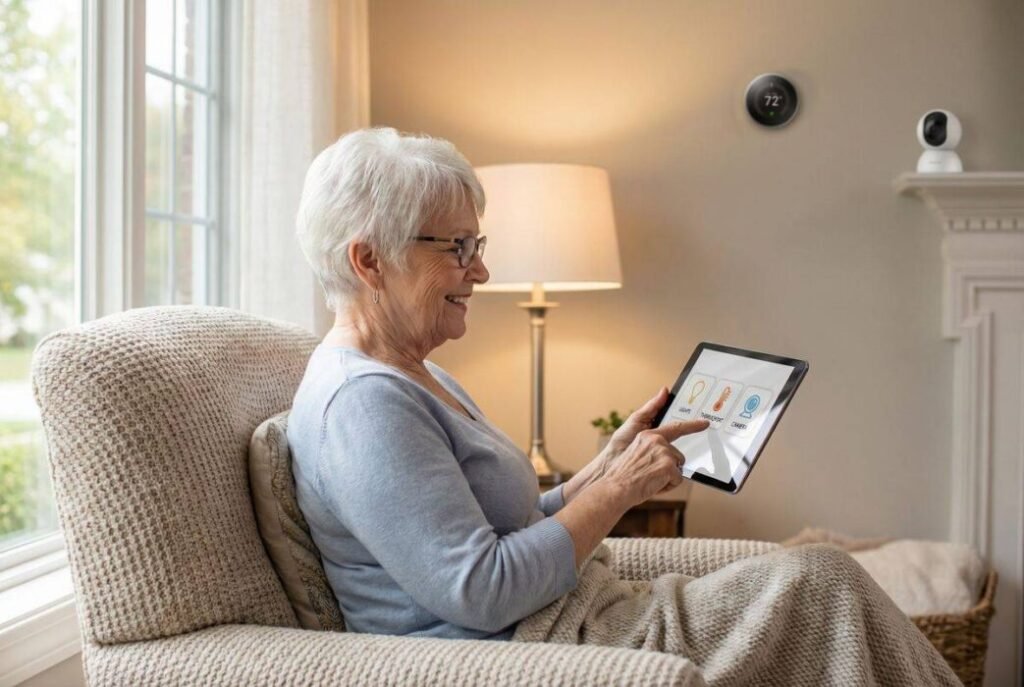
As our population ages, the desire for seniors to maintain independence and comfort in their own homes becomes increasingly important. Smart home automation offers a powerful solution, transforming living spaces into supportive environments. These innovative systems provide a myriad of benefits of smart home automation for seniors, from bolstering safety to simplifying daily routines and offering peace of mind to both seniors and their families.
This article explores how integrating smart technology can significantly improve the quality of life for older adults, enabling them to age in place with dignity and security.
Enhancing Safety and Security
One of the most compelling advantages of smart home automation for seniors is the significant enhancement in safety and security. These systems are designed to mitigate common risks, providing a protective layer around the home environment.
Preventing Falls
Falls are a leading cause of injury among older adults. Smart lighting systems, for instance, can be programmed to illuminate pathways automatically when motion is detected, especially during nighttime trips to the bathroom. Low-intensity night lights can guide seniors safely, reducing the risk of stumbling in the dark.
Advanced motion sensors can also be deployed to detect unusual activity, such as a prolonged period of no movement after a fall, triggering immediate alerts to caregivers or emergency contacts.
Home Security Systems
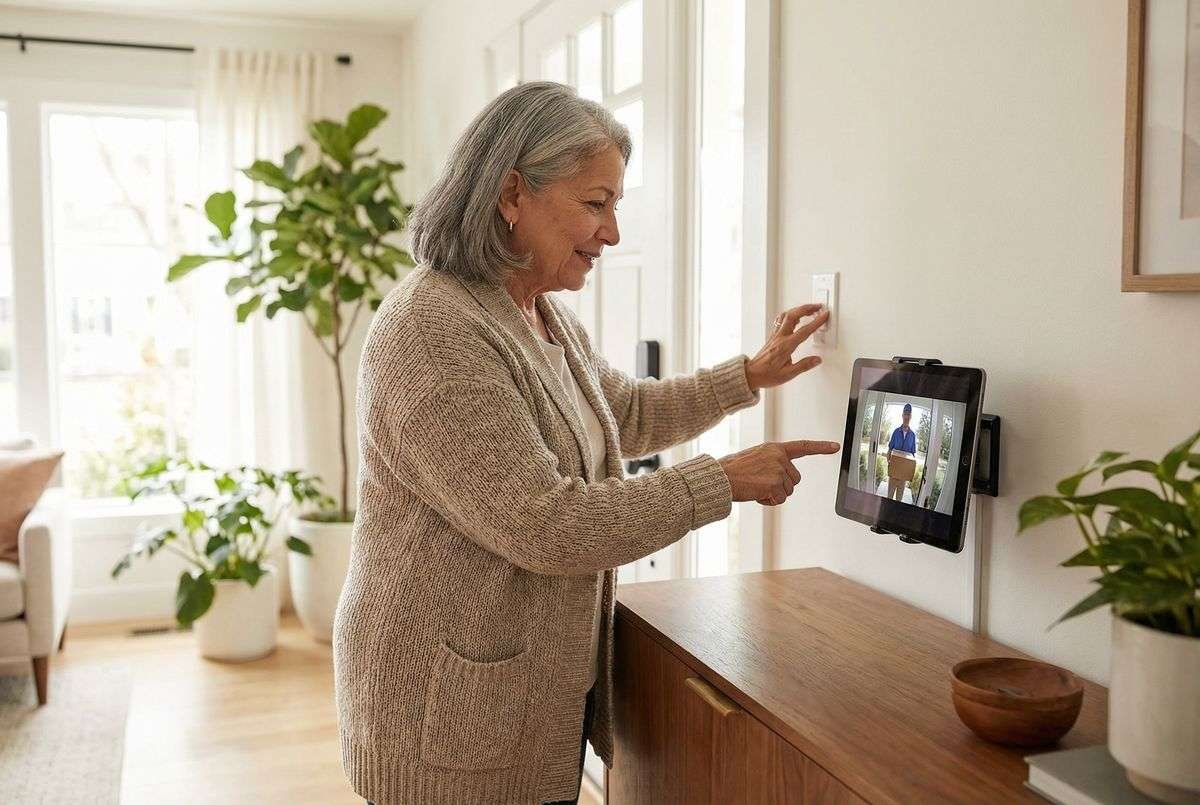
Modern smart home security goes beyond traditional alarms. Video doorbells allow seniors to see and communicate with visitors without opening the door, enhancing personal safety and deterring unwanted callers. They also enable monitoring of package deliveries, preventing theft.
Smart locks offer remote access control, allowing family members or trusted caregivers to enter the home without a physical key, which is particularly useful in emergencies. These systems can also track entries and exits, providing reassurance about a loved one’s whereabouts. Smart cameras, both indoors and outdoors, offer real-time monitoring and alerts for any suspicious activity, further fortifying the home’s defenses.
Fire and Environmental Hazards
Smart smoke and carbon monoxide detectors provide crucial early warnings, sending alerts directly to smartphones even when residents are away. Some models include strobe lights and bed shakers, vital for those with hearing impairments. Innovations like smart stove and grill guards can automatically shut off appliances if left unattended, preventing potential fires and providing a critical safety net.
Additionally, flood sensors can detect water leaks from burst pipes or overflowing appliances, minimizing property damage and preventing hazardous slippery surfaces.
Promoting Independence and Convenience
Beyond safety, smart home automation empowers seniors by simplifying daily tasks and providing greater control over their living environment, fostering a sense of independence and reducing reliance on others.
Automated Comfort and Control
Smart thermostats learn household preferences and adjust temperatures automatically, ensuring optimal comfort while also saving energy. They can be controlled remotely, allowing seniors or caregivers to adjust settings before arriving home. Smart lighting can be scheduled to turn on and off at specific times, mimicking occupancy and providing consistent illumination without manual effort. Smart plugs and outlets transform ordinary appliances into smart devices, enabling remote control and scheduling for items like coffee makers or lamps.
Voice-Activated Assistance
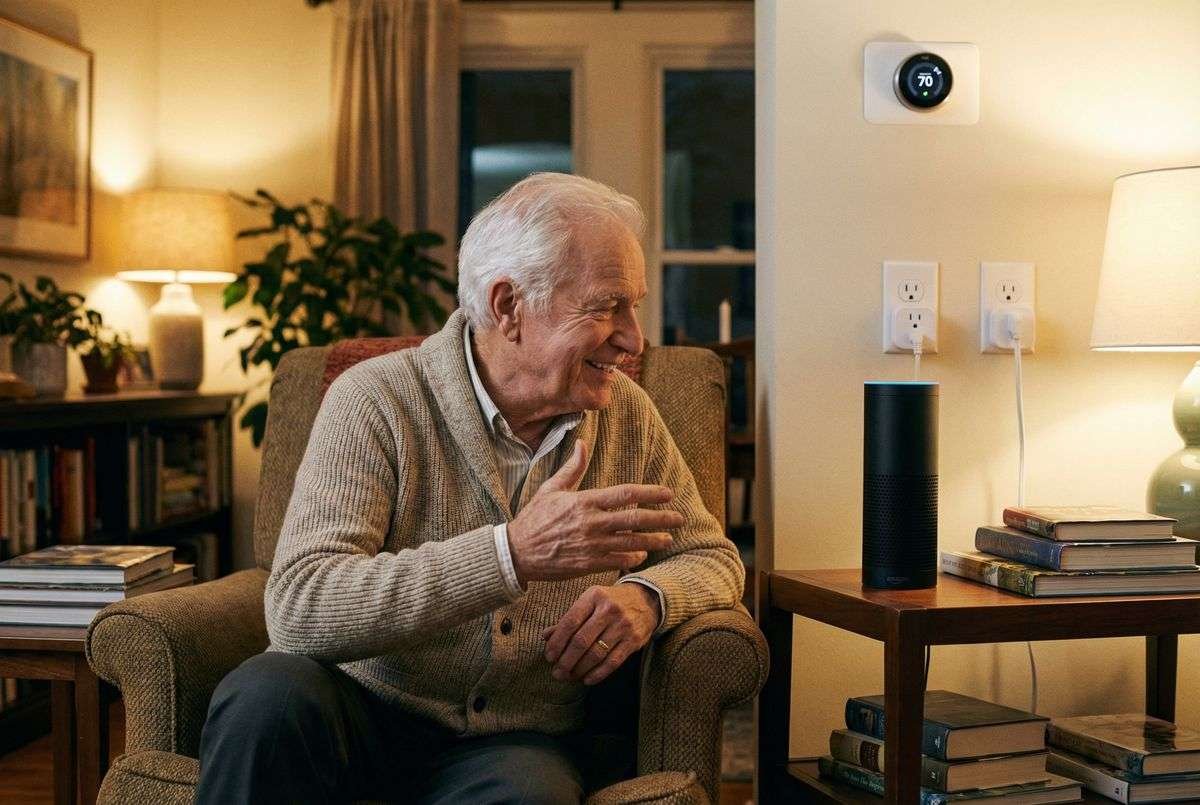
Voice-activated smart speakers and displays have become invaluable companions. They can set reminders for medication, appointments, or daily tasks, play music, answer questions, and even make calls. For seniors with limited mobility or dexterity, these devices offer effortless control over various smart home functions, from adjusting lights to managing entertainment.
Smart TVs, when integrated with webcams, facilitate video calls with family and friends, telehealth consultations with doctors, and even virtual exercise sessions. They can also serve as central hubs for controlling other connected devices, streamlining the smart home experience.
Daily Task Management
Smart microwaves offer features like remote control and automatic shut-off, adding a layer of convenience and safety to meal preparation. Automated blinds and window treatments can adjust to natural light cycles, improving comfort and energy efficiency without physical effort.
Supporting Health and Wellness
Smart home technology extends its utility to health and wellness, offering innovative ways to monitor well-being and provide support, especially for those aging in place.
Remote Monitoring for Caregivers
For family members and caregivers, smart home systems provide invaluable insights. Activity pattern management tools can track sleep habits, mobility, and daily routines, alerting caregivers to significant deviations that might indicate a problem. Contact sensors on refrigerators and medicine cabinets can help ensure proper meal intake and medication adherence, providing peace of mind.
Pressure-activated mattress and chair pads can monitor rest patterns and detect unusual periods of inactivity or restlessness. Many systems offer automated highlight summaries of daily activities, allowing caregivers to stay informed without being intrusive.
Personal Emergency Response Systems (PERS)
Integration of PERS with smart home systems means that in an emergency, help can be summoned quickly and efficiently. These systems can be activated manually or automatically in response to events like falls, ensuring rapid assistance.
Sleep Quality Improvement
Smart beds and mattresses can monitor sleep patterns, adjust firmness, and regulate temperature for optimal comfort, contributing to a better night’s sleep. Bedroom smart speakers can play soothing sounds or white noise, and some even track sleep metrics like snoring or coughing, offering data that can be shared with healthcare providers.
Addressing Common Concerns
While the benefits of smart home automation for seniors are clear, some common misconceptions and concerns often arise. Addressing these can help foster greater adoption and understanding.
Myth vs. Reality: Smart Home Technology for Seniors
| Concern/Myth | Reality/Benefit |
|---|---|
| Too complicated to use | Many devices feature voice control and intuitive apps, simplifying interaction. Focus on specific needs and user-friendly options. |
| Too expensive to install | While some systems are costly, many affordable, modular options exist. The long-term benefits in safety and independence often outweigh initial costs. |
| Replaces human interaction | Smart home technology supplements, rather than replaces, human interaction. It provides electronic eyes and ears, offering peace of mind to caregivers, but personal connection remains vital. |
| Privacy concerns | Choosing reputable brands and understanding privacy settings can mitigate concerns. Many devices offer local processing or encrypted data transmission. |
Conclusion: Embracing a Smarter Future
The integration of smart home automation into the lives of seniors represents a significant step forward in enhancing their independence, safety, and overall well-being. From advanced security systems that protect against intruders and environmental hazards to voice-activated assistants that simplify daily tasks, the benefits of smart home automation for seniors are profound and far-reaching.
By carefully selecting and implementing these technologies, older adults can continue to live comfortably and securely in their own homes, enjoying a higher quality of life and greater peace of mind. As technology continues to evolve, smart homes will undoubtedly play an even more crucial role in supporting our aging population.
FAQ
What are the main benefits of smart home automation for seniors?
Smart home automation offers seniors enhanced safety through fall detection and security systems, promotes independence with automated tasks and voice control, and supports health monitoring for peace of mind.
Is smart home technology difficult for older adults to use?
While some systems can be complex, many smart home devices are designed for ease of use, featuring voice commands and intuitive apps. Focusing on specific needs and choosing user-friendly devices can simplify adoption.
How can smart home automation help caregivers?
Smart home systems provide caregivers with valuable insights into a senior’s daily routines, sleep patterns, and activity levels through remote monitoring and alerts, offering peace of mind and enabling timely intervention if needed.
What are some essential smart home devices for senior safety?
Essential devices include smart smoke/carbon monoxide detectors, video doorbells, smart locks, motion-activated lighting, and fall detection sensors. These collectively create a safer living environment.
Can smart home technology improve a senior’s social connection?
Yes, devices like smart displays and smart TVs with integrated webcams facilitate easy video calls with family and friends, helping to combat loneliness and maintain vital social connections.
