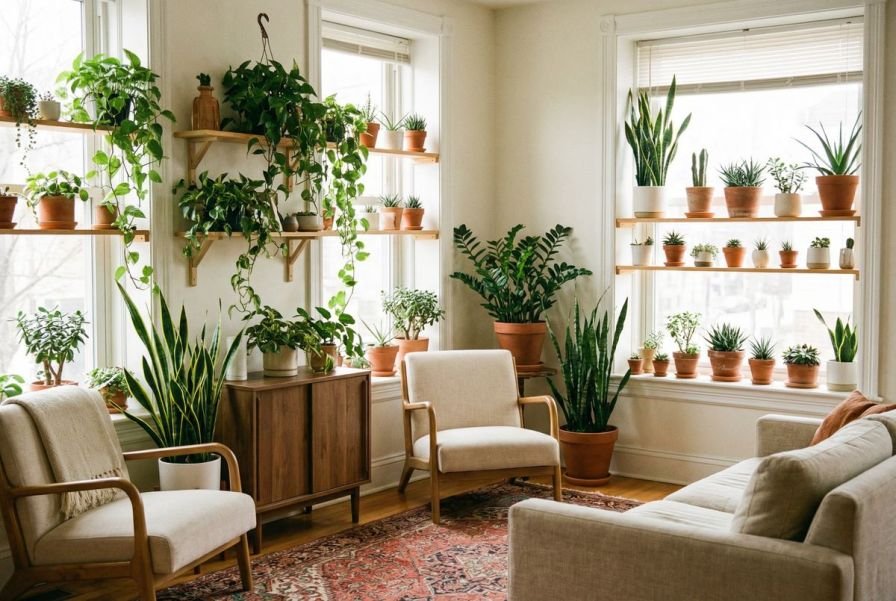
Embarking on the journey of indoor gardening can be incredibly rewarding, transforming your living space into a serene, green oasis. For those new to the world of houseplants, or anyone seeking to add a touch of nature without a demanding care routine, selecting the right species is key. This guide focuses on the best low maintenance indoor plants for beginners, ensuring your foray into indoor greenery is filled with success and enjoyment, not frustration.
Many aspiring plant parents are deterred by the perceived complexity of plant care, fearing they lack a “green thumb.” However, J. Butler Property Management notes that many plants thrive on minimal attention, making them perfect companions for busy individuals or those just starting out. Understanding their basic needs and choosing wisely can make all the difference.
Why Choose Low Maintenance Indoor Plants?
The appeal of low maintenance indoor plants extends beyond just ease of care. They offer numerous benefits, from enhancing air quality to boosting mood and productivity. For beginners, these plants provide a forgiving learning curve, allowing you to develop confidence and understanding without the pressure of constant vigilance.
They are also incredibly adaptable, often tolerating a range of light conditions and infrequent watering, which makes them ideal for various home environments. Whether you have a brightly lit apartment or a cozy nook with less natural light, there’s a low-maintenance plant that will flourish.
Top Picks for Beginner-Friendly Indoor Plants
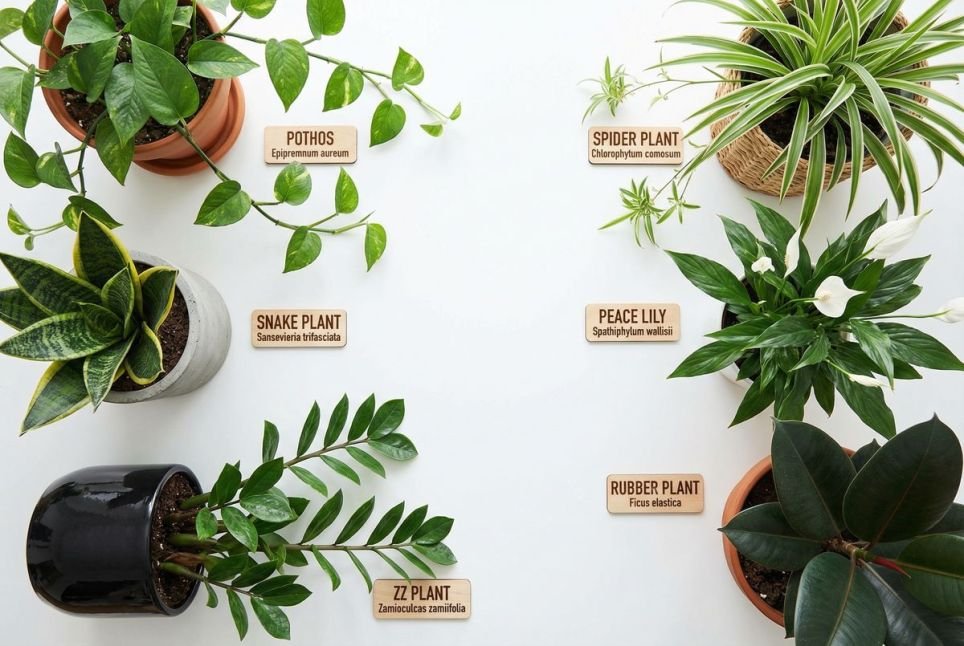
Here’s a curated list of the best low maintenance indoor plants for beginners, renowned for their resilience and straightforward care requirements. These selections are often cited by gardening experts and enthusiasts alike for their ability to thrive with minimal fuss.
| Plant Name | Light Needs | Watering Frequency | Key Feature for Beginners |
|---|---|---|---|
| Snake Plant (Sansevieria) | Low to bright indirect | Every 2-4 weeks | Extremely drought-tolerant, purifies air. |
| Pothos (Epipremnum aureum) | Low to bright indirect | Every 1-2 weeks | Tolerates neglect, easy to propagate, trailing vines. |
| ZZ Plant (Zamioculcas zamiifolia) | Low to bright indirect | Every 2-4 weeks | Thrives on neglect, stores water in rhizomes. |
| Spider Plant (Chlorophytum comosum) | Medium to bright indirect | Once a week | Produces “spiderettes” for easy propagation, air purifying. |
| Aloe Vera | Bright indirect | Every 2-3 weeks | Medicinal properties, succulent, drought-tolerant. |
| Peace Lily (Spathiphyllum) | Low to medium indirect | Once a week (when leaves droop) | Dramatic wilting signals thirst, beautiful white blooms. |
Common Beginner Mistakes to Avoid
Even with the most forgiving plants, new gardeners can sometimes make common errors. Being aware of these pitfalls can significantly improve your success rate and ensure your plants remain healthy and vibrant.
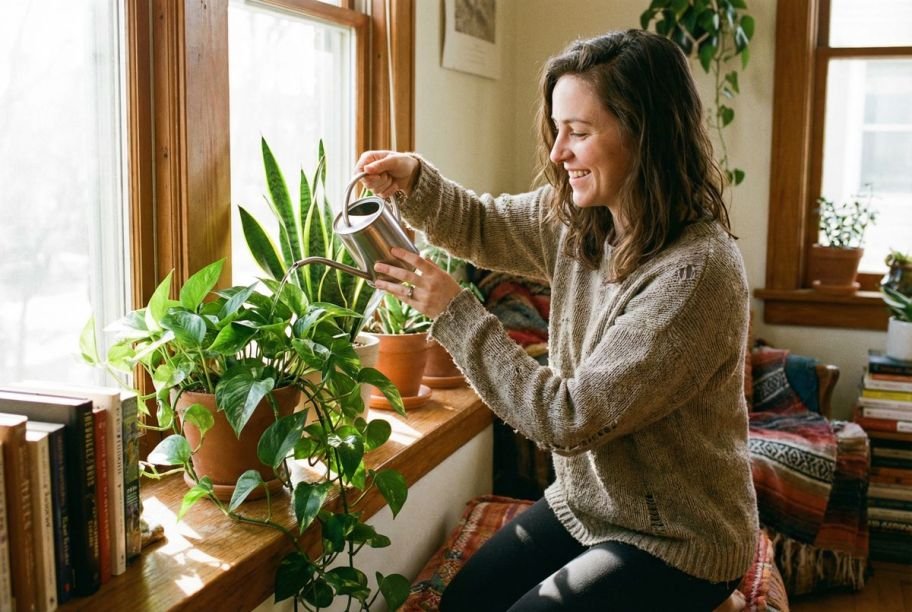
- Overwatering: This is arguably the most common killer of houseplants. Most low-maintenance plants prefer their soil to dry out between waterings. Always check the soil moisture before adding more water.
- Inadequate Drainage: Pots without drainage holes can lead to root rot. Ensure your plant pots have proper drainage, or use a cachepot with a nursery pot inside.
- Ignoring Light Needs: While these plants are tolerant, they still have light preferences. Placing a low-light plant in direct, scorching sun or a bright-light plant in a dark corner can lead to stress.
- Lack of Observation: Plants communicate their needs through their leaves and growth patterns. Yellowing leaves, drooping, or stunted growth are all signs that something might be amiss. Regular, brief checks can help you catch issues early.
Beyond the Basics: Unique Insights for Thriving Plants
While the basics are essential, incorporating a few expert-level insights can elevate your beginner gardening experience. Consider these often-overlooked aspects to truly master the art of caring for your best low maintenance indoor plants for beginners.
The Myth of the “Brown Thumb”
Many people believe they have a “brown thumb,” destined to kill any plant they touch. This is a myth. More often than not, plant struggles stem from a mismatch between the plant’s needs and the environment it’s placed in, or a lack of basic knowledge. By choosing the right plants and understanding their fundamental requirements, anyone can cultivate a thriving indoor garden. It’s about learning, not an innate ability.
The Power of Grouping Plants
Grouping plants together can create a microclimate with increased humidity, which many tropical houseplants appreciate. This simple technique can benefit your plants, especially in dry indoor environments, and also creates a more lush, visually appealing display. Just ensure each plant still receives adequate light and air circulation.
Frequently Asked Questions About Low Maintenance Indoor Plants
Are low maintenance plants truly “hard to kill”?
While no plant is truly indestructible, low maintenance plants are significantly more forgiving than others. They can tolerate a wider range of conditions and occasional neglect, making them ideal for beginners. Their resilience means they are less likely to succumb to common beginner mistakes like inconsistent watering.
How do I know when to water my low maintenance plant?
The best way is to check the soil moisture. For most low maintenance plants, you should allow the top inch or two of soil to dry out completely before watering again. You can do this by sticking your finger into the soil. Some plants, like Peace Lilies, will visibly droop when they are thirsty, providing a clear signal.
Do low maintenance plants need fertilizer?
Generally, low maintenance plants do not require frequent fertilization. During their active growing season (spring and summer), you can fertilize them once a month or every other month with a diluted, balanced liquid fertilizer. Reduce or stop fertilizing during fall and winter when growth slows.
Can low maintenance plants improve air quality?
Yes, many low maintenance indoor plants, such as Snake Plants, Pothos, and Spider Plants, are known for their air-purifying qualities. They can help remove common indoor air pollutants, contributing to a healthier living environment. However, their impact on air quality in a typical home setting is often modest and should not replace proper ventilation.
Conclusion: Your Green Thumb Awaits
Starting your indoor plant collection with the best low maintenance indoor plants for beginners sets you up for success. These resilient and beautiful species provide all the benefits of indoor greenery without demanding constant attention. By avoiding common pitfalls and embracing a few simple care practices, you’ll soon discover the joy and tranquility that houseplants bring to your home. Happy planting!
