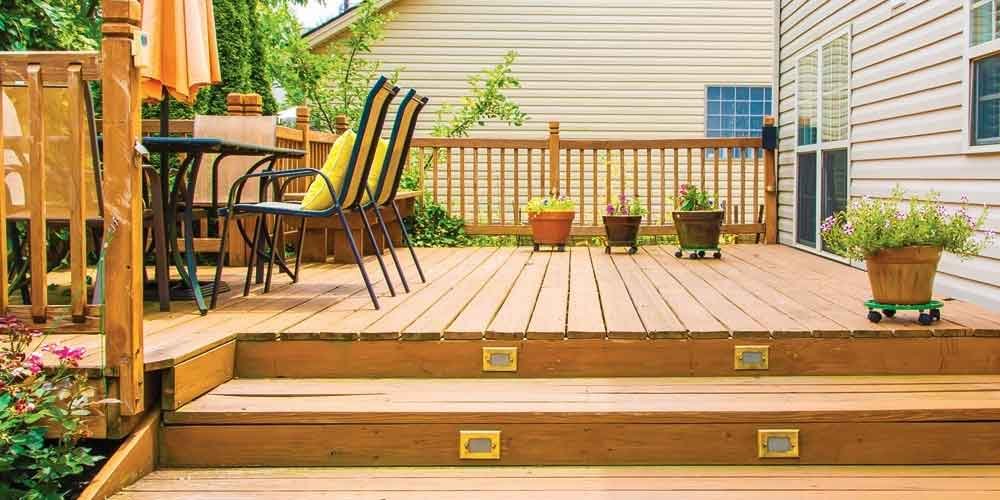
An outdoor deck is a valuable extension of a home, providing a perfect space for relaxation, entertainment, and enjoying the outdoors. However, the longevity, appearance, and maintenance requirements of a deck are largely determined by the materials chosen for its construction. With a variety of options available, from traditional wood to modern composites, selecting the right decking material involves balancing durability, aesthetics, cost, and upkeep to best suit a homeowner’s lifestyle and budget, shares Blue Stem Property Management solutions. Traditional Wood Decking: Classic Appeal and Natural Beauty
Wood has been the quintessential decking material for centuries, prized for its natural beauty, warmth, and versatility. Common wood choices include pressure-treated pine, cedar, redwood, and exotic hardwoods like ipe or tigerwood.
•Pressure-Treated Pine: This is the most common and economical option. It’s treated with chemicals to resist rot, decay, and insect infestation. While affordable, it requires regular sealing and staining to maintain its appearance and prevent splintering or warping.
•Cedar and Redwood: These woods are naturally resistant to insects and decay due to their inherent oils. They offer a beautiful, rich color that can be maintained with regular sealing or allowed to weather to a silvery-gray patina. They are softer than hardwoods and can be more prone to scratches and dents.
•Exotic Hardwoods (e.g., Ipe, Tigerwood): Known for their exceptional durability, density, and natural resistance to rot, insects, and fire. These woods are incredibly long-lasting and require minimal maintenance (though sealing can preserve their rich color). However, they are significantly more expensive and harder to work with.
Pros of Wood Decking: Natural aesthetic, customizable (stain/paint), good strength-to-weight ratio.
Cons of Wood Decking: Requires regular maintenance (sanding, sealing, staining), susceptible to rot, splinters, and insect damage if not properly cared for, can warp or crack.
Composite Decking: Low Maintenance and High Durability
Composite decking has gained immense popularity for its low maintenance requirements and impressive durability. Made from a blend of recycled plastic and wood fibers, composites offer the look of wood without many of its drawbacks.
•Composition: Typically 50-70% wood fibers and 30-50% recycled plastic (polyethylene or polypropylene). The plastic encapsulates the wood, protecting it from moisture and insects.
•Maintenance: Requires only occasional cleaning with soap and water. It doesn’t need sanding, staining, or sealing, making it an excellent choice for homeowners seeking a
set-it-and-forget-it outdoor space.
•Appearance: Available in a wide range of colors and textures, many designed to mimic the look of natural wood. Some high-end composites feature multi-tonal streaking and deep grain patterns for a more realistic appearance.
Pros of Composite Decking: Extremely low maintenance, highly durable, resistant to rot, insects, splintering, and fading, often made from recycled materials.
Cons of Composite Decking: Higher upfront cost than pressure-treated wood, can get hot in direct sunlight, some early generations were prone to mold/mildew (though modern composites have improved significantly).
PVC Decking: Ultimate Durability and Minimal Upkeep
Polyvinyl Chloride (PVC) decking is a 100% plastic product, offering the highest level of durability and the lowest maintenance among decking materials. It contains no wood fibers, making it impervious to moisture, mold, and insects.
•Composition: Made entirely from virgin or recycled PVC. This makes it exceptionally resistant to environmental factors.
•Maintenance: Requires virtually no maintenance beyond occasional cleaning. It will not rot, warp, splinter, or fade, and is highly resistant to stains and scratches.
•Appearance: Available in various colors and finishes, often designed to replicate the look of painted wood. It tends to have a more uniform appearance than wood or composite.
Pros of PVC Decking: Superior durability, completely impervious to moisture and insects, extremely low maintenance, lightweight, often comes with long warranties.
Cons of PVC Decking: Highest upfront cost, can feel less substantial than wood or composite, can get hot in direct sunlight, limited color/texture options compared to composites.
Other Options: Aluminum and Stone/Pavers
While less common for traditional elevated decks, other materials offer unique benefits for outdoor living spaces.
•Aluminum Decking: Extremely durable, lightweight, fire-resistant, and requires almost no maintenance. It dissipates heat quickly, making it cooler underfoot. However, it can be expensive and has a distinct metallic look that may not suit all aesthetics.
•Stone/Pavers: Ideal for ground-level patios or integrated outdoor living areas. Offers exceptional durability and a natural, elegant look. Requires minimal maintenance but can be labor-intensive to install and is not suitable for elevated deck structures.
Factors to Consider When Choosing
When making a decision, several factors should guide the selection process:
•Budget: Upfront cost varies significantly between materials. Consider not just the material cost but also installation and long-term maintenance expenses.
•Maintenance Tolerance: How much time and effort are you willing to dedicate to deck upkeep? Wood requires the most, while PVC and aluminum require the least.
•Climate: Consider local weather conditions. Some materials perform better in extreme heat, cold, or humidity.
•Aesthetics: The desired look and feel of the outdoor space. Do you prefer the natural grain of wood or the consistent finish of a composite?
•Durability and Lifespan: How long do you expect the deck to last? Exotic hardwoods, composites, and PVC generally offer the longest lifespans.
•Environmental Impact: Consider materials made from recycled content or sustainably harvested wood.
Conclusion
Choosing the right material for your outdoor decking is a significant decision that impacts the enjoyment, value, and maintenance of your home for years to come. By carefully weighing the pros and cons of traditional wood, versatile composites, ultra-durable PVC, and other options against your budget, lifestyle, and aesthetic preferences, you can create an outdoor living space that perfectly meets your needs. A well-chosen decking material will not only enhance your home’s curb appeal but also provide a lasting foundation for countless outdoor memories.