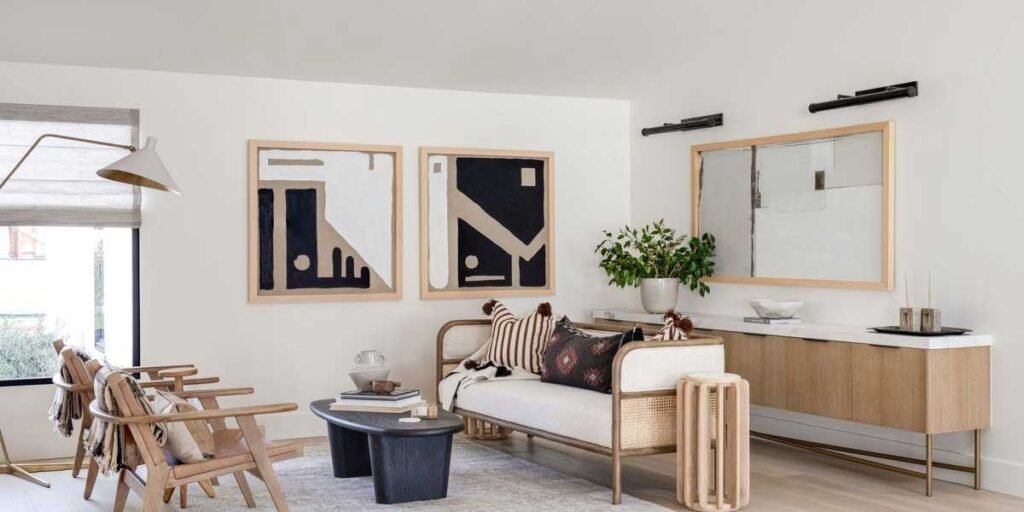
Small living spaces, common in urban environments and modern minimalist designs, present unique challenges and opportunities for interior design. While square footage may be limited, thoughtful lighting can dramatically transform these areas, making them feel more expansive, inviting, and functional. Creative interior lighting solutions are not just about illumination; they are about crafting an atmosphere, highlighting architectural features, and visually expanding the perceived boundaries of a room, says Best Orlando Property Management experts.
The Power of Layered Lighting: Beyond a Single Source
One of the most effective strategies for small spaces is to employ layered lighting. Relying on a single overhead light can create harsh shadows and make a room feel flat and uninviting. Instead, combine different types of lighting to create depth and visual interest:
•Ambient Lighting: Provides overall illumination, often from ceiling fixtures like flush mounts, recessed lights, or track lighting. In small spaces, these should be subtle and well-distributed to avoid overwhelming the room.
•Task Lighting: Focused illumination for specific activities, such as reading lamps by a sofa, under-cabinet lighting in a compact kitchen, or a desk lamp in a small home office nook. This prevents eye strain and defines functional zones.
•Accent Lighting: Highlights architectural features, artwork, or decorative elements. Small spotlights, picture lights, or LED strips can draw attention to specific areas, creating focal points and adding character without cluttering the space.
By layering these types, a small room gains depth and versatility, allowing different moods and functions to be accommodated with ease.
Space-Saving Fixtures: Maximizing Every Inch
In small living spaces, every inch counts. Choosing lighting fixtures that are compact, wall-mounted, or integrated into furniture can free up valuable floor and surface area.
•Wall-Mounted Sconces: Instead of floor or table lamps, sconces provide ambient or accent lighting without occupying any floor space. They can be strategically placed to illuminate pathways or highlight decorative elements.
•Recessed Lighting: Integrated directly into the ceiling, recessed lights offer unobtrusive ambient lighting that doesn’t visually intrude on the room. They are excellent for maintaining a clean, minimalist aesthetic.
•Track Lighting: Offers flexibility by allowing multiple light heads to be positioned along a single track. This is ideal for directing light to different areas or artwork in a small, open-plan living space.
•Integrated Furniture Lighting: Consider furniture pieces with built-in lighting, such as shelves with LED strips or headboards with reading lights. This dual-purpose approach saves space and adds functionality.
•Pendant Lights: When used strategically, a single, well-chosen pendant light can serve as a focal point without taking up much space. Ensure it’s appropriately sized for the room to avoid overwhelming the area.
Mirrors and Reflective Surfaces: Amplifying Light and Space
Mirrors and other reflective surfaces are powerful tools for enhancing light and creating an illusion of greater space in compact rooms. By strategically placing mirrors, homeowners can bounce light around the room, making it appear brighter and larger.
Positioning a large mirror opposite a window or a light source can significantly amplify natural and artificial light. Mirrored furniture, glossy finishes on walls or ceilings, and metallic accents can also contribute to this effect, adding sparkle and depth without adding physical bulk. The reflection creates an optical illusion, making the room feel more open and airy.
Smart Lighting Systems: Versatility and Ambiance on Demand
Smart lighting technology offers unparalleled versatility for small living spaces. With smart bulbs, switches, and integrated systems, homeowners can control brightness, color temperature, and even color, all from a smartphone app or voice command. This level of control allows for dynamic adjustments to suit different activities and moods.
•Dimmable Lights: Essential for small spaces, dimmers allow for precise control over light intensity, transforming a bright workspace into a cozy lounge area with ease.
•Color Temperature Adjustment: Shifting from cool, energizing white light during the day to warm, relaxing amber tones in the evening can significantly impact the perceived comfort and size of a room.
•Automated Scenes: Program different lighting scenes for various occasions (e.g.,
movie night, dinner party, reading) to instantly change the ambiance and functionality of the space.
Natural Light Maximization: The Ultimate Space Expander
While artificial lighting is crucial, maximizing natural light is perhaps the most impactful way to make a small space feel larger and more inviting. Keep windows unobstructed by heavy drapes or blinds. Opt for sheer curtains or minimalist window treatments that allow maximum daylight penetration.
Strategically placed mirrors, as mentioned, can reflect natural light deeper into the room. Light-colored walls and ceilings also help to bounce natural light around, preventing the space from feeling dark and cramped. Incorporating plants that thrive in indirect light can also add a touch of nature without blocking precious window space.
Conclusion
Transforming a small living space with creative interior lighting solutions is an art that combines functionality with aesthetic appeal. By embracing layered lighting, selecting space-saving fixtures, utilizing reflective surfaces, and leveraging smart lighting technology, homeowners can overcome the limitations of square footage. These thoughtful lighting strategies not only enhance the visual size and brightness of a room but also create a versatile, comfortable, and inviting atmosphere that truly feels like home. Investing in intelligent lighting design is an investment in the quality of life within any compact living environment.
