
Unlocking the full potential of search visibility requires more than instinct it demands insight. In today’s rapidly evolving digital market, embracing a data-driven approach means turning analytics into actionable strategies that drive lasting results. By closely monitoring user behavior, website performance, and emerging search trends, brands can position themselves for sustainable growth while supporting long-standing local businesses, such as supporting NYC brands with SEO expertise and organizations around the globe.
Data analytics enables marketers to anticipate user intent, improve content performance, and adapt swiftly to algorithm updates, fostering a more robust online presence in a competitive landscape. This shift to an informed, analytics-first philosophy ensures that companies don’t just react they lead by evolving ahead of the curve in search engine algorithms and user expectations.
Understanding the Role of Data in SEO
Data operates as the backbone of advanced SEO. Every click, scroll, and bounce offers a clue a data point that, when aggregated and interpreted, reveals what works and what doesn’t. Core engagement metrics like bounce rate, average session duration, and conversion rate empower businesses to diagnose weak points and double down on strategies that resonate with audiences.
For example, tracking which landing pages drive the most conversions versus those that cause early exits can guide decisions on reworking calls to action or redesigning layouts. When combined with keyword analysis and search volume trends, companies can transform their content calendars and website architecture to align with what their target audience truly wants and searches for.
By keeping a steady pulse on both behavior and intent, brands continuously fine-tune their SEO initiatives, closing the gap between what searchers expect and what the website delivers. According to Search Engine Journal, this data-centric discipline is now fundamental to any SEO team’s toolbox.
Implementing AI Tools for Enhanced Optimization
The rise of AI and machine learning in SEO isn’t just a trend it’s a paradigm shift. AI-powered platforms such as Frase, Clearscope, and Surfer SEO now analyze thousands of top-performing web pages in seconds, surfacing content structure recommendations, keyword gaps, and optimization opportunities humans would miss. These automated insights extend beyond keyword density to evaluate semantic relevance, readability, and even the optimal use of multimedia and internal links to increase dwell time.
Leveraging these platforms reduces guesswork and accelerates campaign results, giving SEO teams a sharper edge when planning content and technical improvements. In addition, AI automates tedious on-page tasks, enabling teams to focus on strategy, creative direction, and long-term growth.
Predictive Analytics for Future-Proofing SEO
Harnessing predictive analytics means turning historical data into a forward-looking strategy. By analyzing patterns in user searches, content interactions, and even past Google algorithm changes, AI platforms forecast future ranking signals and market shifts. This capability empowers brands to optimize for new keyword trends and adjust their content before competitors catch on, providing a sustainable advantage.
Through scenario modeling, predictive analytics uncovers hidden opportunities in long-tail keywords and emerging interests, equipping marketing teams with the foresight to maintain and grow organic search performance as the digital landscape evolves. As Moz highlights, organizations prepared for change are always a step ahead in SEO.
Enhancing User Experience Through Data Insights
An outstanding user experience is a non-negotiable ranking factor in today’s search algorithms. By studying granular analytics heatmaps, click paths, average page load time, and mobile behavior brands can pinpoint precisely where visitors struggle and where they convert. This enables focused fixes that directly address root causes, whether it’s improving load times, ensuring mobile responsiveness, or simplifying site navigation.
Google increasingly rewards pages that deliver seamless, fast, and accessible journeys, making UX optimization as vital as content or technical SEO. Data-driven UX refinement isn’t just about pleasing algorithms; it’s about understanding real people and removing obstacles that stand in the way of their goals.
Content Optimization Based on Data
Data drives modern content strategy at every stage from ideation to execution and revision. In-depth analysis of search queries, user feedback, and competitor benchmarks reveals content gaps and new ways to answer user questions more fully and concisely. Tools that track trending queries and audience sentiment enable ongoing refinement, so each piece of content remains relevant long after its original publication date.
This agile approach means regularly updating old blog posts and pillar pages with fresh insights, rich media, FAQs, and internal links—continuously increasing their rankability and value to both searchers and search engines.
Monitoring and Adapting to Algorithm Changes
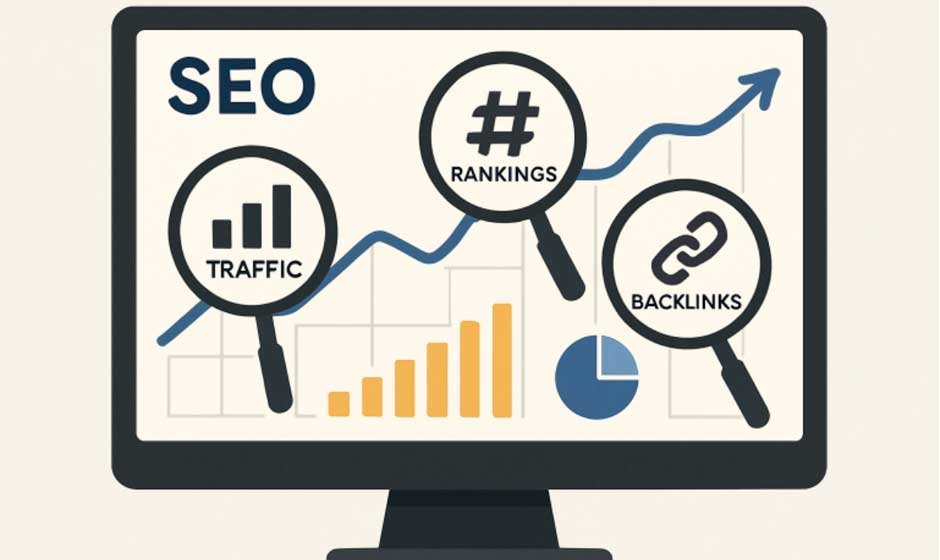
Search engine algorithms never stand still, and neither should your SEO strategy. By monitoring live keyword rankings, traffic sources, backlink profiles, and competitor movements, businesses can spot signs of algorithm updates early and act swiftly to mitigate negative impacts or capitalize on new ranking opportunities. Ongoing performance reviews and adaptation cycles ensure each SEO tactic remains effective and compliant with Google’s ever-changing standards.
Conclusion
A data-driven approach to SEO is no longer a nice-to-have but a core requirement for success. By infusing analytics and AI into their SEO strategies, brands can deliver richer user experiences, more relevant content, and resilient visibility in even the most dynamic search environments. The companies that fully embrace analytics-driven decision-making are the ones positioned for continued growth, both now and in the future.
