
Introduction: Beyond the Famous Name
When most people hear the name Debra Lee Blocker, they immediately think of one thing: she’s the daughter of Dan Blocker, the legendary actor who played Hoss Cartwright on the beloved television series Bonanza. But that’s where most stories about her end. What makes her truly fascinating isn’t what she inherited from her father’s fame—it’s what she deliberately chose to do with it. She chose art. She chose privacy. She chose authenticity over the spotlight that could have been hers for the taking.
In an era where celebrity children often leverage their family names for instant recognition, Debra Lee Blocker represents a refreshing anomaly. Born into Hollywood’s golden age, surrounded by the glitz of television stardom, she walked a different path entirely. Her story isn’t about following in her father’s footsteps or capitalizing on family connections. Instead, it’s about a woman who consciously decided that her voice would be expressed through art, not through the entertainment industry that made her father famous.
This article explores the complete story of Debra Lee Blocker—a story that extends far beyond being “Dan Blocker’s daughter.” We’ll examine how she grew up in the shadow of stardom, how she processed the profound loss of her father at a young age, and how she carved out a meaningful life centered on artistic expression and family values rather than public recognition. Her journey offers valuable insights into celebrity culture, identity formation, and the courage it takes to choose your own path.
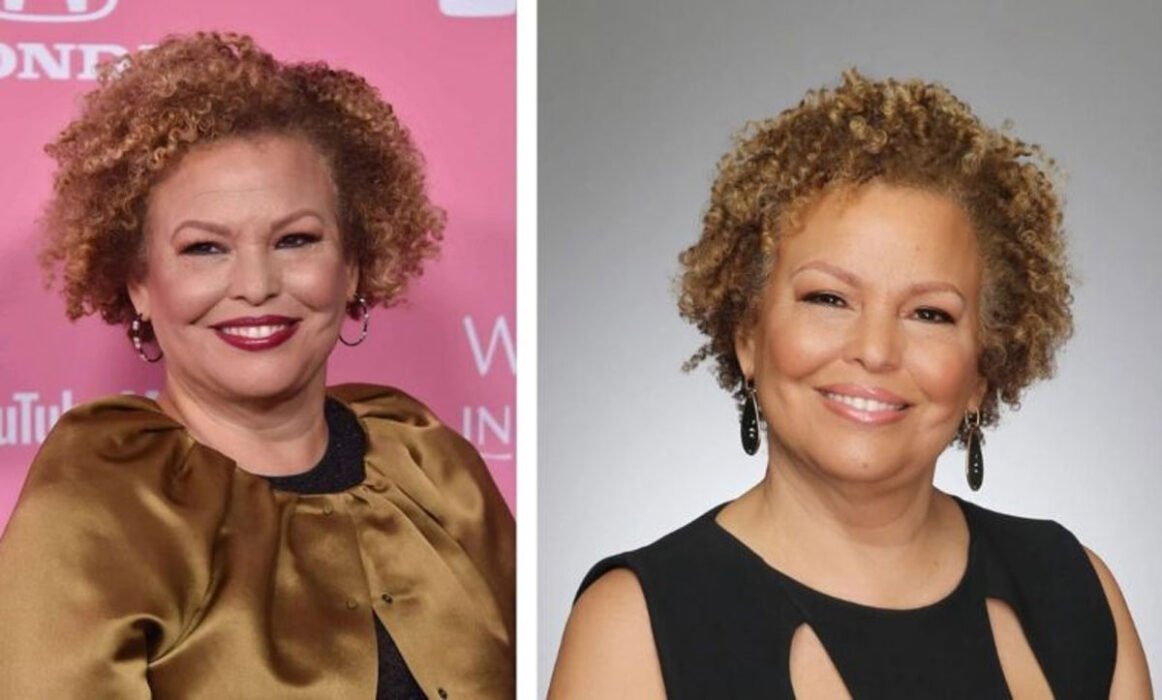
Who Is Debra Lee Blocker? Beyond the Famous Name
Debra Lee Blocker is far more than a footnote in her father’s biography. She represents a particular kind of strength—the strength to define oneself outside of inherited fame. Born in 1953 in Hollywood, California, she grew up during the height of her father’s television career, yet she deliberately chose a life that stands in stark contrast to the public world he inhabited.
| Personal Detail | Information |
|---|---|
| Full Name | Debra Lee Blocker |
| Birth Year | 1953 |
| Birthplace | Hollywood, Los Angeles County, California, USA |
| Age (2024) | 71 years old |
| Nationality | American |
| Primary Profession | Artist |
| Famous For | Daughter of Bonanza star Dan Blocker; artistic pursuits; commitment to privacy |
| Twin Sister | Danna Lynn Blocker |
| Brothers | Dirk Blocker (actor); David Blocker (Emmy-winning producer) |
| Marital Status | Married |
| Public Presence | Extremely private; no social media; avoids interviews |
What makes Debra’s story compelling isn’t what she did—it’s what she didn’t do. She didn’t pursue acting like her brother Dirk. She didn’t enter production like her brother David. She didn’t leverage her father’s name for Hollywood connections or media attention. Instead, she created a life that prioritizes personal fulfillment over public recognition. In a world obsessed with fame and visibility, her choice to remain private is itself a powerful statement.
The Blocker Family Legacy: A Hollywood Dynasty Built on Values
To understand Debra Lee Blocker, you must first understand the family she was born into. The Blocker household wasn’t typical of Hollywood families in the 1950s and 1960s. Despite Dan Blocker’s enormous success, his family maintained a grounded, values-oriented lifestyle that prioritized character over celebrity.
Dan Blocker rose to prominence as Hoss Cartwright on Bonanza, which premiered in 1959 and became one of the most successful television series in American history. The show ran for fourteen seasons and made Dan a household name. Yet, even at the peak of his fame, Dan and his wife Dolphia Parker Blocker made a conscious decision: their children would be raised with humility, education, and strong moral values. Fame would not define their household.
Dolphia Parker came from a theatrical background herself—she had performed in local theater before meeting Dan at Sul Ross State University in Texas. When she married Dan in 1952 and started their family, she understood the entertainment industry’s pressures firsthand. Together, they created a family environment where love, learning, and integrity mattered far more than Hollywood connections or public appearances. This philosophy would profoundly shape all four of their children, but especially Debra.
The Blocker household was warm and intentional. Dan, despite his television fame, was known as a devoted father who spent quality time with his children. He taught them to value education, respect others, and maintain perspective about their place in the world. Dolphia provided the steady emotional foundation, ensuring that the family remained grounded even as Dan’s star continued to rise. Together, they created something rare in Hollywood: a family that seemed genuinely happy and well-adjusted.
Growing Up in the Shadow of Stardom: Childhood, Loss, and Identity Formation
Debra Lee Blocker’s childhood was unique in ways both privileged and challenging. She grew up during the 1960s, the golden age of television, watching her father become increasingly famous with each passing year. Yet her parents deliberately shielded her and her siblings from the negative aspects of that fame. She attended school with other children, played with neighborhood friends, and experienced a relatively normal childhood despite her father’s celebrity status.
Born in 1953, Debra had a twin sister, Danna Lynn, with whom she shared an inseparable bond. The twin connection created a unique dynamic in the Blocker household. While their brothers, David and Dirk, had their own individual experiences, Debra and Danna Lynn navigated childhood together, supporting each other through the peculiar experience of being famous people’s children who wanted to remain unfamous.
The early signs of Debra’s artistic inclination emerged during these years. While her brothers gravitated toward performance and production, Debra found expression through visual art. Her parents encouraged this creative pursuit, understanding that different children find meaning in different ways. Art became her language—a way to process emotions and experiences without needing public validation.
Then came the seismic event that would reshape her life forever. In May 1972, Dan Blocker died unexpectedly at age 43 from a pulmonary embolism following gallbladder surgery. Debra was nineteen years old—at that critical juncture between adolescence and adulthood when a parent’s presence matters enormously. His sudden death devastated the entire family and profoundly affected Debra’s trajectory.
Losing her father at such a formative moment forced Debra to confront fundamental questions about identity, legacy, and purpose. Who was she beyond being “Dan Blocker’s daughter”? How would she honor his memory without being defined by it? What did she want to build with her own life? These questions, asked during a time of grief, would guide her choices for decades to come.
The Art of Choosing Privacy: Debra’s Philosophy
What distinguishes Debra Lee Blocker from many other celebrity children is the deliberateness of her choices. She didn’t accidentally end up living privately—she consciously chose it. This distinction is crucial. Her privacy isn’t a withdrawal from life; it’s an active commitment to living according to her own values rather than external expectations.
In the years following her father’s death, Debra faced a crossroads that many celebrity children confront: she could leverage her family name for entertainment industry opportunities, or she could forge her own path. Her brothers made different choices. Dirk pursued acting, continuing the family tradition of performance. David moved into production, working behind the scenes in the entertainment industry. Both choices kept them connected to the world their father had inhabited.
Debra chose differently. She recognized that her authentic self wasn’t calling her toward the spotlight. She didn’t want to be an actress performing for audiences. She didn’t want to be a producer managing other people’s creative visions. Instead, she wanted to create art on her own terms, in her own time, without the pressure of public scrutiny or commercial success metrics.
This choice reflects a sophisticated understanding of identity and authenticity. Debra understood that true creativity requires freedom—freedom from external judgment, freedom from commercial pressures, freedom from the need to constantly perform for an audience. By stepping away from the entertainment industry entirely, she created space for genuine artistic expression.
Her philosophy seems to be this: a meaningful life isn’t measured by fame or public recognition, but by personal fulfillment, family relationships, and the integrity of one’s creative work. This perspective, while countercultural in Hollywood, aligns with her parents’ values. Dan and Dolphia had always taught their children that character mattered more than celebrity. Debra took that lesson to heart.
Artistic Expression as Healing: How Art Became Her Voice
For Debra Lee Blocker, art isn’t a career—it’s a calling. It’s the primary way she processes experience, expresses emotion, and maintains connection to her inner world. In many ways, her artistic practice represents a continuation of her family’s creative legacy, but expressed through a completely different medium than her father’s acting.
Where Dan Blocker used performance to tell stories and connect with audiences, Debra uses visual art to explore the landscape of human emotion and experience. Her work reportedly reflects themes of introspection, family relationships, and the inner dimensions of consciousness. While specific details about her artistic practice remain private—as she prefers—what’s clear is that art serves a therapeutic and spiritual function in her life.
The loss of her father at nineteen likely intensified her need for artistic expression. Grief, particularly the sudden loss of a parent during formative years, often catalyzes creative output. Art becomes a way to process what words cannot fully capture. Through painting, design, and visual creation, Debra could explore her complex feelings about loss, legacy, identity, and belonging.
Her artistic journey also represents a form of legacy preservation. While she doesn’t publicly discuss her father’s memory or capitalize on his fame, her creative work keeps alive the values he embodied—authenticity, integrity, emotional depth, and the importance of meaningful expression. In choosing art as her medium, she honors her father’s creative spirit while forging her own unique path.
What’s particularly striking about Debra’s approach is how she’s managed to maintain artistic integrity while living in complete privacy. She hasn’t sought gallery representation, museum exhibitions, or public recognition for her work. This suggests that the creative process itself—the act of making art—matters more to her than external validation. This is a rare and admirable commitment to authentic creative expression.
The Blocker Siblings: Divergent Paths, Shared Values
The four Blocker children—Debra Lee, Danna Lynn, Dirk, and David—represent a fascinating case study in how siblings raised in the same family can make radically different life choices. Yet despite their divergent paths, they remain united by the values their parents instilled in them.
Dirk Blocker (born 1957) chose to follow his father into acting. He pursued a career in television and film, building a successful acting career that included roles in popular series like Brooklyn Nine-Nine, where he played Detective Hitchcock. Dirk has spoken publicly about how his father’s legacy influenced his career choice. He represents the sibling who embraced the entertainment industry tradition.
David Blocker (born 1955) took a different approach to the entertainment industry. Rather than performing, he moved into production, working behind the scenes on various film and television projects. He achieved significant recognition in his field, winning an Emmy Award for producing the documentary “Don King: Only in America.” David’s path represents a middle ground—remaining connected to the entertainment world while working outside the public spotlight.
Danna Lynn Blocker (born 1953, Debra’s twin) chose a path remarkably similar to her twin sister’s. Like Debra, Danna Lynn avoided the entertainment industry entirely and chose to live a private life. The parallel choices of the twin sisters suggest a deep mutual understanding and shared values about what constitutes a meaningful life.
Debra Lee Blocker chose to step away from the entertainment industry completely. Her path represents the most dramatic departure from her father’s legacy, yet it may represent the deepest honoring of his core values. By prioritizing authenticity, privacy, and personal fulfillment over fame and public recognition, she embodies the principles Dan and Dolphia taught their children.
What’s remarkable is that despite these different choices, the Blocker siblings remain close. They share respect for each other’s decisions and maintain family bonds. This speaks to the strength of the family foundation their parents created. They didn’t raise their children to follow a predetermined path; they raised them to make conscious choices aligned with their own values. The siblings’ divergent paths represent the success of that parenting philosophy.
Preserving Legacy Without Seeking Fame: Her Unique Contribution
One of the most overlooked aspects of Debra Lee Blocker’s story is her role in preserving family legacy. While her brothers’ public careers keep the Blocker name visible in entertainment circles, Debra works quietly behind the scenes to maintain family narratives and honor her father’s memory.
Legacy preservation doesn’t require public visibility. In fact, it often works better when conducted privately. Debra maintains family records, keeps memories alive for future generations, and ensures that her father’s story is remembered accurately and respectfully. She’s the keeper of family history—the one who holds the stories that don’t make it into public biographies or entertainment industry accounts.
Her approach to legacy differs fundamentally from how public figures typically manage their family’s historical narrative. She doesn’t give interviews about her father. She doesn’t capitalize on his fame or use his name for personal gain. Instead, she quietly ensures that the human being behind the television icon—the father, the teacher, the Korean War veteran, the man who valued family above all else—is remembered with dignity and accuracy.
This work of preservation is particularly important for Bonanza fans and television historians. The show remains culturally significant, and understanding the real Dan Blocker—not just the character of Hoss Cartwright—requires access to family perspectives. By maintaining these narratives privately and sharing them selectively, Debra serves as a guardian of authentic history.
Her approach also models a healthier relationship with fame and legacy for other celebrity children. Rather than exploiting family history for commercial gain or public attention, she demonstrates that legacy can be honored through quiet stewardship and authentic remembrance. This is a powerful counternarrative to the celebrity memoir industry and the commodification of family stories.
The Twin Connection: Danna Lynn and Debra’s Parallel Journey
The relationship between Debra Lee Blocker and her twin sister Danna Lynn deserves special attention. Twin relationships are inherently unique, but being twins in a celebrity family adds another layer of complexity. Debra and Danna Lynn navigated childhood, adolescence, and adulthood together, supporting each other through experiences that few people understand.
The fact that both twins made remarkably similar life choices—choosing privacy, avoiding the entertainment industry, maintaining low public profiles—suggests a deep mutual understanding and shared values. They didn’t need to discuss their choices extensively; they seemed to intuitively understand each other’s needs and preferences. This kind of twin synchronicity often reflects deep psychological and emotional attunement.
Growing up as the daughters of a famous actor, Debra and Danna Lynn likely experienced unique pressures and expectations. People assumed they would follow their father into entertainment. Yet both sisters consciously rejected that path. Their parallel choices suggest they supported each other in making decisions that might have seemed unconventional to outsiders but felt absolutely right to them.
The twin bond also likely provided crucial emotional support during their father’s illness and death. When Dan Blocker died in 1972, Debra and Danna Lynn were nineteen years old—old enough to understand the magnitude of the loss, young enough to need significant emotional support. Having a twin sister who shared the experience likely helped both of them process their grief and navigate the subsequent years.
Today, the sisters remain close, though details about their relationship remain private. Their continued connection represents a model of sibling loyalty and mutual support. In a family where siblings chose different professional paths, Debra and Danna Lynn’s similar life choices suggest that some bonds transcend career decisions and public roles.
Personal Life and Marriage: Maintaining Boundaries
Like most aspects of her life, Debra Lee Blocker maintains strict privacy regarding her personal relationships. According to some sources, she is married to Michael Alan Colton and has a child named Thea Lee Colton. However, she has never publicly confirmed these details or discussed her family life in interviews.
This commitment to privacy in her personal life reflects her broader philosophy about maintaining boundaries between public and private spheres. She understands that celebrity children often face intrusive media attention and public curiosity about their personal lives. By declining to discuss her marriage or family, she protects her loved ones from unwanted scrutiny.
Her approach models a healthy relationship with privacy in the age of social media and constant connectivity. She doesn’t maintain social media accounts. She doesn’t grant interviews. She doesn’t participate in the celebrity culture that demands constant visibility and personal disclosure. Instead, she reserves her personal life for the people who matter most to her.
This boundary-setting likely contributes to her ability to maintain authentic relationships and a grounded sense of self. By refusing to perform her life for public consumption, she preserves the integrity of her personal connections and maintains psychological space for genuine intimacy and growth.
Why Debra Lee Blocker’s Story Matters: Lessons for Our Time
In an era of relentless self-promotion and personal branding, Debra Lee Blocker’s story offers a refreshing counternarrative. She demonstrates that a meaningful life doesn’t require fame, public recognition, or constant visibility. Her choices challenge fundamental assumptions about success, identity, and fulfillment that dominate contemporary culture.
For other celebrity children, her example provides an alternative model. Not every child of a famous person needs to either replicate their parent’s career or rebel against it dramatically. Some, like Debra, can simply choose their own path—one that honors family values while respecting personal authenticity. This middle path, though less visible than either replication or rebellion, may represent the healthiest approach to inherited fame.
Her story also illuminates the psychology of celebrity child development. Research suggests that children who maintain strong family values, clear boundaries, and authentic self-knowledge tend to navigate fame more successfully than those who seek constant validation or attempt to escape their background entirely. Debra’s life appears to exemplify these protective factors.
Furthermore, her commitment to artistic expression as a private practice challenges the commodification of creativity. In a world where artists are expected to build personal brands, maintain social media presence, and constantly promote their work, Debra’s choice to create art for its own sake—without seeking public recognition or commercial success—represents a radical act of artistic integrity.
Finally, her story matters because it reminds us that influence doesn’t require visibility. While her brothers’ public careers keep the Blocker name in entertainment circles, Debra’s quiet work of legacy preservation and artistic creation may ultimately have a more profound impact on those who know her story. She represents the power of authenticity, the strength of privacy, and the possibility of building a meaningful life outside the spotlight.
Life in 2025-2026: Where Is She Now?
As of 2025-2026, Debra Lee Blocker continues to live a private life in California, far removed from the entertainment industry spotlight. Now in her early seventies, she has maintained her commitment to privacy and personal authenticity throughout her entire life. She has never sought media attention, never granted interviews, and never attempted to capitalize on her father’s fame.
Her continued artistic pursuits remain private. She doesn’t maintain a public portfolio or seek gallery representation. Instead, she creates art on her own terms, for her own fulfillment and that of her immediate family. This approach has allowed her to maintain complete artistic integrity without the pressures of commercial success or public judgment.
She has successfully navigated the digital age without compromising her privacy. Despite living in an era of ubiquitous social media and constant connectivity, she maintains no public online presence. She doesn’t participate in the culture of personal branding and self-promotion that defines contemporary celebrity. Her absence from social media is itself a statement—a deliberate choice to remain outside the systems of visibility that dominate modern life.
Her family relationships remain central to her life. She maintains close bonds with her siblings, particularly her twin sister Danna Lynn. She continues to serve as a keeper of family history and a guardian of her father’s legacy. These private roles, though invisible to the public, likely constitute the most meaningful aspects of her life.
The relevance of her story has only increased with time. As society grapples with issues of mental health, authenticity, and the psychological costs of constant visibility, Debra’s example becomes more instructive. Her life demonstrates that it’s possible to live meaningfully, creatively, and authentically without seeking public recognition or constant validation. In a world increasingly obsessed with visibility, her commitment to privacy represents a powerful alternative.
Conclusion: The Legacy of Choosing Authenticity
Debra Lee Blocker’s story is ultimately about choice—the power of conscious decision-making and the courage to live according to one’s own values rather than external expectations. Born into a world of fame and celebrity, she could have easily followed her father into entertainment or leveraged her family name for personal gain. Instead, she chose a different path.
Her journey reminds us that success isn’t measured by fame or public recognition. A meaningful life can be built through artistic expression, family relationships, and personal authenticity. Her commitment to privacy isn’t a rejection of life; it’s an affirmation of a different kind of life—one based on genuine connection rather than public performance.
For those who know her story, Debra Lee Blocker represents something increasingly rare: a person who has remained true to herself despite enormous pressure to conform to external expectations. She honored her father’s legacy not by following in his footsteps, but by embodying the values he taught her—integrity, humility, and the importance of family over fame.
As we continue to navigate a world obsessed with visibility and personal branding, her example becomes more valuable. She demonstrates that it’s possible to live a rich, creative, meaningful life outside the spotlight. She shows that legacy can be preserved through quiet stewardship. She proves that authenticity matters more than recognition.
Debra Lee Blocker may never achieve the public recognition that her father enjoyed or that her brothers have attained. But that was never her goal. Her goal was to live authentically, create meaningfully, and honor her family’s values. By that measure, her life represents a profound success—a quiet triumph of authenticity in an age of constant performance.
Frequently Asked Questions About Debra Lee Blocker
- 1. Who is Debra Lee Blocker and why is her story significant?
- Debra Lee Blocker is the daughter of Dan Blocker, the actor famous for playing Hoss Cartwright on the television series Bonanza. While her father achieved enormous fame, Debra deliberately chose a private life focused on artistic expression rather than entertainment industry success. Her story is significant because it represents an alternative model for celebrity children—one based on authenticity, privacy, and personal fulfillment rather than public recognition or fame. She demonstrates that a meaningful life doesn’t require constant visibility or commercial success.
- 2. How did Debra Lee Blocker choose such a different path from her brothers?
- Debra’s choice to pursue a private artistic life rather than an entertainment career reflects her personal values and authentic self-understanding. While her brother Dirk became an actor and her brother David became a producer, Debra recognized that her authentic calling lay elsewhere. Her parents, Dan and Dolphia Blocker, had taught all their children to prioritize personal integrity and authenticity over fame. Debra took this lesson to heart and made conscious decisions aligned with her own values rather than family precedent or public expectations. Her choice wasn’t a rejection of her family’s legacy; it was a different way of honoring it.
- 3. What does Debra Lee Blocker’s artistic practice reveal about her personality?
- Debra’s commitment to artistic expression as a private practice reveals a personality characterized by introspection, authenticity, and psychological depth. Her choice to create art without seeking public recognition suggests someone who values the creative process itself over external validation. Her work reportedly explores themes of introspection, family relationships, and emotional experience—suggesting a thoughtful, emotionally intelligent person. Her artistic practice appears to serve as a vehicle for processing experience, maintaining psychological health, and expressing aspects of herself that don’t require public performance. This reveals someone who understands that authentic creativity requires freedom from external judgment and commercial pressures.
- 4. How did losing her father at age 19 shape Debra Lee Blocker’s life?
- Dan Blocker’s sudden death in 1972 when Debra was nineteen had a profound impact on her life trajectory. Losing a parent during this formative period—at the threshold between adolescence and adulthood—forced her to confront fundamental questions about identity, legacy, and purpose. The loss likely intensified her need for artistic expression as a way to process grief and complex emotions. It may have also clarified her values and priorities, helping her recognize that authentic living mattered more than fame or public recognition. The experience of sudden loss often catalyzes psychological maturation and clarification of life purpose—both of which appear evident in Debra’s subsequent choices.
- 5. What can we learn from Debra Lee Blocker’s approach to privacy and legacy?
- Debra’s approach to privacy and legacy offers several important lessons. First, she demonstrates that legacy preservation doesn’t require public visibility or constant self-promotion. Second, she shows that it’s possible to honor a parent’s memory through quiet stewardship rather than public commemoration. Third, her example suggests that authentic identity formation requires boundaries between public and private spheres. Fourth, she illustrates that meaningful influence doesn’t require fame or recognition. Finally, her life demonstrates that a person can live richly and creatively without participating in systems of constant visibility and personal branding. These lessons are increasingly relevant in an age of social media and relentless self-promotion.
- 6. Is Debra Lee Blocker still involved in preserving the Bonanza legacy?
- While Debra Lee Blocker maintains strict privacy about her personal activities, she appears to play an ongoing role in preserving family history and honoring her father’s legacy. This work likely occurs privately—through maintaining family records, keeping memories alive for future generations, and ensuring that accurate, respectful accounts of her father’s life and career are preserved. Her role as legacy keeper is less visible than her brothers’ public careers, but it represents an important form of stewardship. She serves as a guardian of authentic family history and ensures that Dan Blocker is remembered not just as a television icon, but as a complete human being—a father, teacher, and man of integrity.
- 7. How do Debra Lee Blocker and her twin sister Danna Lynn’s lives compare?
- Debra Lee Blocker and her twin sister Danna Lynn made remarkably similar life choices, both choosing privacy and avoiding the entertainment industry. This parallel trajectory suggests a deep mutual understanding and shared values about what constitutes a meaningful life. The twins likely supported each other through the unique pressures of being celebrity children who wanted to remain private. Their similar choices reflect the strength of their twin bond and their shared commitment to authenticity over fame. Today, they remain close, though details about their relationship remain private. Their parallel paths represent a model of sibling loyalty and mutual support in navigating inherited fame.
- 8. What is Debra Lee Blocker’s current life like in 2025-2026?
- As of 2025-2026, Debra Lee Blocker continues to live a private life in California, maintaining her lifelong commitment to authenticity and privacy. Now in her early seventies, she has successfully navigated the digital age without compromising her privacy or participating in social media culture. She continues her artistic pursuits privately, without seeking public recognition or commercial success. She maintains close family relationships, particularly with her twin sister and her siblings. She serves as a keeper of family history and a guardian of her father’s legacy. Her life demonstrates that it’s possible to live meaningfully, creatively, and authentically without seeking constant visibility or public validation. Her story becomes increasingly relevant as society grapples with issues of mental health, authenticity, and the psychological costs of constant visibility.
