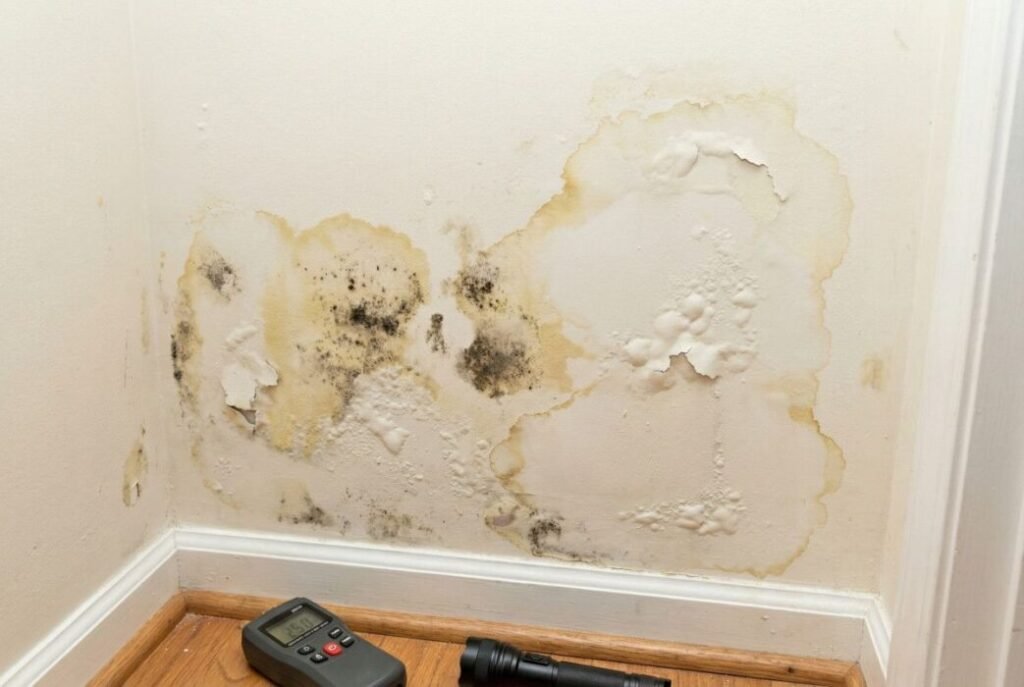
Undetected water leaks can lead to significant structural damage and increased utility bills, often manifesting subtly before becoming major issues. Proactive identification of these leaks is crucial for maintaining property integrity and preventing costly repairs. This guide provides essential information for homeowners to recognize and address hidden water leaks effectively.
Common Signs of Hidden Leaks
Recognizing the early indicators of a hidden water leak is vital for timely intervention. These signs, though sometimes subtle, can point to significant underlying problems within your plumbing system.
Increased Water Bills
A sudden, unexplained increase in your monthly water bill is a primary indicator of a hidden leak. Even a small, continuous drip can waste hundreds of gallons of water over time, directly impacting your finances and signaling water loss within your system. According to the U.S. Environmental Protection Agency (EPA) (2017), household leaks can waste more than 10,000 gallons of water per year, equivalent to the amount of water needed to wash 270 loads of laundry [1].
Unusual Odors and Stains
Persistent musty or damp odors, particularly in bathrooms, kitchens, or basements, often signify hidden moisture and potential mold growth. Additionally, visible water stains, discoloration on walls or ceilings, peeling paint, or bubbling wallpaper are clear indications of water saturating building materials from a concealed leak. These visual cues reveal the path of water from a broken pipe or fixture.
Sounds of Running Water
When all water fixtures and appliances are off, listening for sounds of dripping, hissing, or running water can reveal a hidden leak. These auditory clues suggest water is actively flowing from a compromised pipe within walls, floors, or ceilings. Such sounds are often the first detectable sign of a leak before any visible damage appears.
Methods for Detecting Leaks
Several practical methods can help homeowners identify the presence and location of hidden water leaks, ranging from simple visual checks to more technical assessments.
Water Meter Test
The water meter test is a straightforward and effective way to confirm a leak. First, ensure all water-consuming appliances and faucets in your home are turned off. Then, locate your water meter and record the current reading. After a two-hour period during which no water is used, check the meter again. If the reading has changed, it indicates water is still flowing through your system, confirming a leak somewhere on your property. According to the Water Corporation (n.d.), this method helps pinpoint if a leak exists before further investigation [2].
Visual Inspection and Pressure Checks
Regular visual inspections of exposed pipes, under sinks, around toilets, and near water heaters can reveal early signs of corrosion or moisture. Look for condensation, drips, or puddles. Additionally, a sudden drop in water pressure throughout your home can indicate a significant leak in the main supply lines, diverting water before it reaches your fixtures. This consistent low pressure often points to a larger issue requiring immediate attention.
Preventative Measures and Professional Help
Taking proactive steps and knowing when to call a professional can significantly reduce the risk and impact of hidden water leaks.
Regular Maintenance and Inspections
Routine plumbing maintenance and periodic inspections are crucial for preventing future leaks. This includes checking appliance hoses annually, insulating exposed pipes to prevent freezing and bursting, and cleaning gutters to avoid foundation leaks. Learning the location of your main water shutoff valve is also essential, enabling you to quickly stop water flow in an emergency and minimize damage. These simple actions can save thousands in potential repair costs.
When to Call a Professional
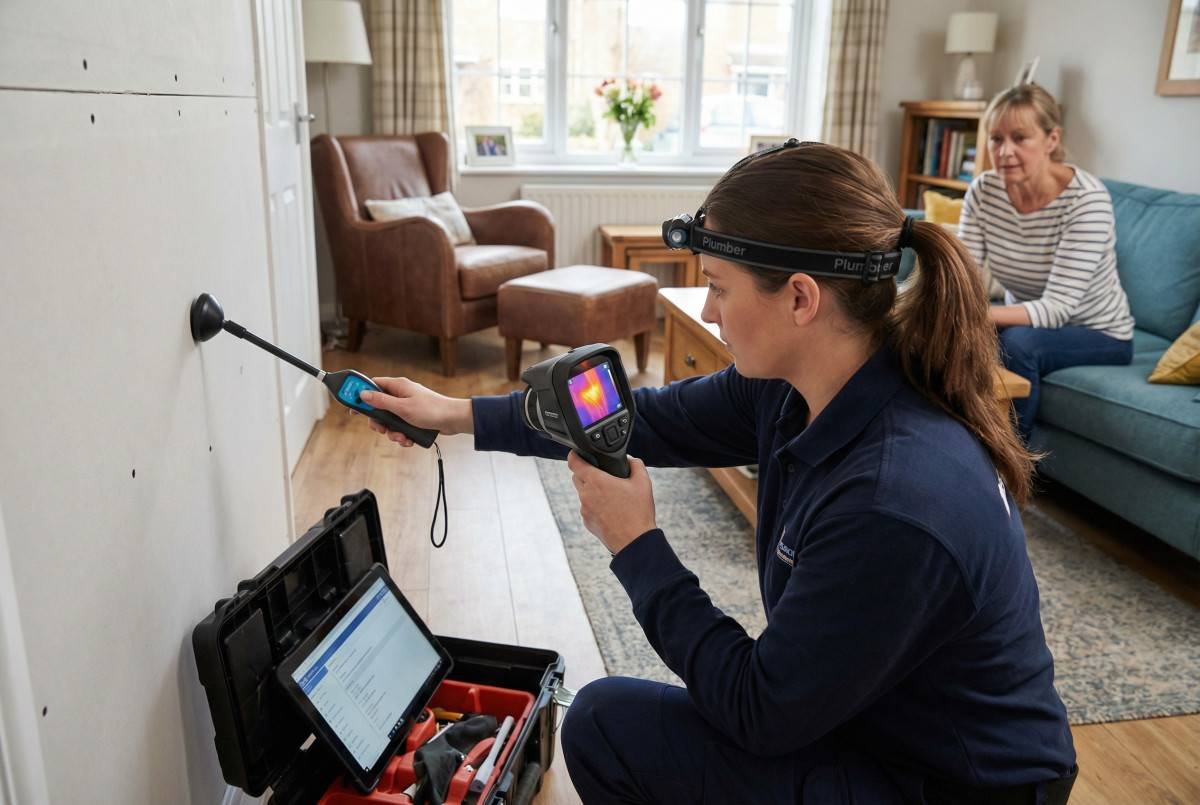
While DIY methods can identify many leaks, some hidden issues require specialized expertise. Professional plumbers utilize advanced leak detection technology, such as moisture meters, acoustic devices, and infrared cameras, to pinpoint leaks without causing unnecessary damage to your property. Attempting to locate complex leaks yourself can lead to frustration and additional structural harm. Engaging an experienced plumber ensures the problem is accurately identified and repaired the first time, protecting your home investment.
Frequently Asked Questions
Q: What are the most common places for hidden water leaks?
A: Hidden water leaks frequently occur in areas with extensive plumbing, such as bathrooms (toilets, showers, sinks), kitchens (under sinks, dishwashers, refrigerator ice makers), laundry rooms (washing machine hoses), and basements or foundations where pipes are often concealed.
Q: How can I tell if a high water bill is due to a leak?
A: To determine if a high water bill is due to a leak, perform a water meter test. Turn off all water sources in your home, record your water meter reading, wait two hours without using any water, and then check the meter again. If the reading has changed, you likely have a leak.
Q: What are the dangers of ignoring a hidden water leak?
A: Ignoring a hidden water leak can lead to severe consequences, including structural damage to your home (rotting wood, weakened drywall), mold and mildew growth that can impact indoor air quality and health, and significant financial costs for extensive repairs and remediation.
Q: Can I fix a hidden water leak myself?
A: Simple, visible leaks like a dripping faucet or a running toilet can often be fixed by homeowners. However, hidden leaks within walls, floors, or foundations typically require professional assistance. Plumbers have specialized equipment to accurately locate and repair these complex issues without causing further damage.
Q: How often should I check for water leaks?
A: It is advisable to perform a quick visual inspection of exposed plumbing and check your water meter monthly. Additionally, schedule a professional plumbing inspection annually to detect potential issues before they escalate into hidden leaks.
References
[1] U.S. Environmental Protection Agency. (2017). Fix a Leak Week. Retrieved from https://19january2017snapshot.epa.gov/www3/watersense/pubs/fixleak.html
[2] Water Corporation. (n.d.). How to Detect A Water Leak. Retrieved from https://www.watercorporation.com.au/help-and-advice/water-issues/leaks/detect-a-leak
