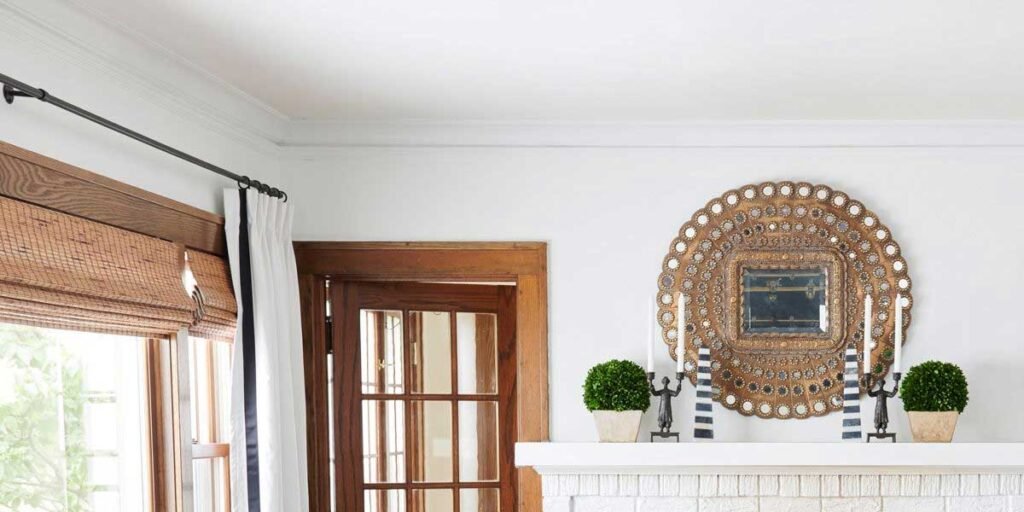
Living in a small space doesn’t mean sacrificing comfort or style. With thoughtful planning and creative solutions, even the most compact homes can be transformed into highly functional and aesthetically pleasing environments. The key lies in maximizing every inch, embracing multi-functional elements, and employing visual tricks to create an illusion of spaciousness. This guide explores effective strategies to unlock the full potential of small living areas, making them feel larger, more organized, and perfectly tailored to your lifestyle.
Embrace Multi-Functional Furniture
The cornerstone of small space living is furniture that serves more than one purpose. Investing in versatile pieces can dramatically increase functionality without cluttering the area.
•Sofa Beds or Daybeds: A sofa that converts into a bed is ideal for guest accommodation in a living room or home office.
•Storage Ottomans and Benches: These pieces provide extra seating, a footrest, and hidden storage for blankets, books, or remotes.
•Nesting Tables: A set of tables that fit inside each other can be pulled out when needed and tucked away to save space.
•Drop-Leaf or Extendable Dining Tables: Perfect for small dining areas, these tables can expand to accommodate guests and fold down for everyday use.
•Wall-Mounted Desks: A desk that folds up against the wall when not in use is excellent for creating a temporary workspace in a bedroom or living area.
Utilize Vertical Space Smartly
When floor space is limited, look upwards. Vertical storage solutions are invaluable for keeping small spaces organized and clutter-free.
•Tall, Narrow Bookshelves: Maximize wall space by installing bookshelves that reach the ceiling. This draws the eye upward, making the room feel taller.
•Floating Shelves: These provide storage and display areas without taking up floor space, ideal for books, decor, or kitchen essentials.
•Wall-Mounted Cabinets: In kitchens and bathrooms, wall-mounted cabinets offer crucial storage for dishes, toiletries, and cleaning supplies.
•Over-the-Door Organizers: Utilize the back of doors for extra storage in bedrooms, bathrooms, or pantries.
•Loft Beds or Bunk Beds: In bedrooms, especially for children or studio apartments, a loft bed creates space underneath for a desk, seating area, or additional storage.
Smart Storage Solutions
Clever storage is essential for maintaining order in a small home. Think beyond traditional cabinets and drawers.
•Built-in Storage: Custom built-ins, such as window seats with storage underneath or integrated shelving around a fireplace, can seamlessly blend with your decor and maximize awkward spaces.
•Under-Bed Storage: Use rolling bins or drawers specifically designed to fit under your bed for storing seasonal clothing, linens, or shoes.
•Drawer Dividers and Organizers: Keep drawers tidy and functional by using dividers for cutlery, socks, or office supplies.
•Pegboards and Magnetic Strips: In kitchens or craft rooms, pegboards can organize tools and utensils, while magnetic strips can hold knives or spices.
•Vacuum Storage Bags: Compress bulky items like winter clothing or extra bedding to save significant closet space.
Create Visual Space and Flow
Beyond physical organization, visual strategies can make a small room feel more open and inviting.
•Light Color Palettes: Use light and neutral colors on walls, ceilings, and large furniture pieces. These colors reflect light, making a room feel brighter and more expansive.
•Mirrors: Strategically placed mirrors can create the illusion of depth and reflect light, making a room appear larger. A large mirror opposite a window can be particularly effective.
•Proper Lighting: Ensure adequate lighting, both natural and artificial. Layered lighting (ambient, task, accent) can brighten a space and highlight features. Avoid heavy, dark curtains that block natural light.
•Minimalist Decor: Less is often more in small spaces. Choose a few meaningful decor items rather than cluttering surfaces. Keep lines clean and uncluttered.
•Legged Furniture: Furniture with exposed legs allows light to pass underneath, creating a sense of openness and making the room feel less heavy.
•Glass or Acrylic Furniture: Transparent furniture pieces, like a glass coffee table or acrylic chairs, take up less visual space and contribute to an airy feel.
Define Zones and Open Layouts
Even in a single room, creating distinct zones can enhance functionality and make the space feel more organized.
•Area Rugs: Use area rugs to define different functional zones within an open-plan living area, such as a living space and a dining nook.
•Room Dividers: Lightweight, movable screens, open shelving units, or even tall plants can subtly divide a space without completely closing it off.
•Consistent Flooring: Using the same flooring throughout a small apartment or open-plan area creates a seamless flow and makes the entire space feel larger.
Conclusion
Maximizing functionality in small spaces is an art that combines clever design, smart storage, and strategic visual techniques. By embracing multi-functional furniture, utilizing vertical space, implementing smart storage solutions, and creating visual openness, homeowners can transform compact living areas into efficient, comfortable, and stylish homes. These strategies not only enhance daily living but also demonstrate that great design is not limited by square footage, but rather by imagination and ingenuity.
