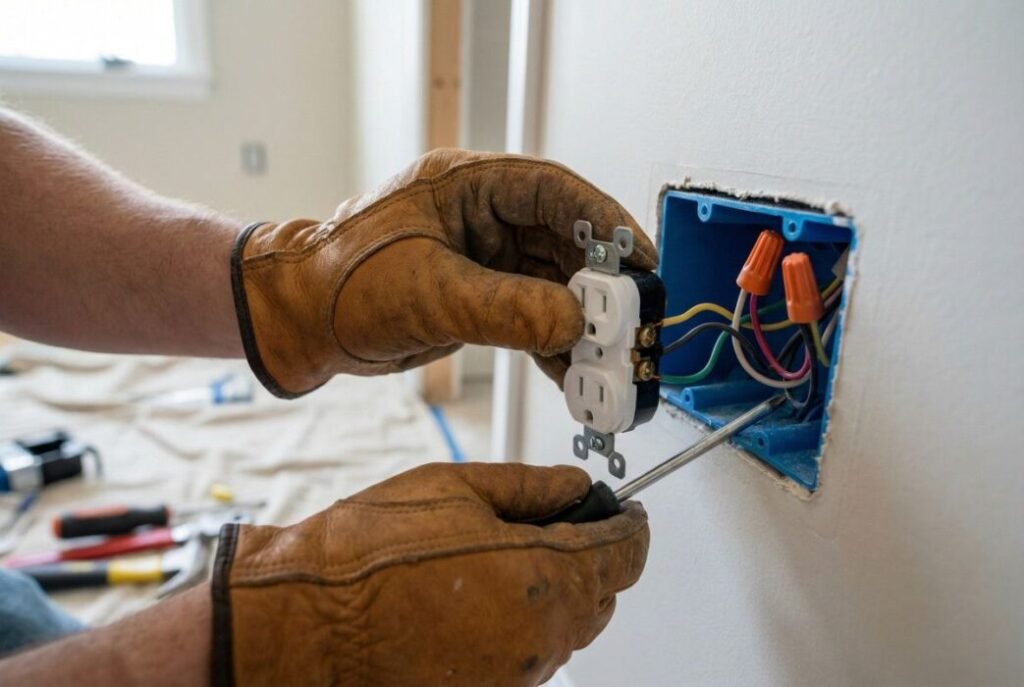
Homeowners can increase the number of electrical outlets in their living spaces without undertaking extensive and costly rewiring projects. This often involves utilizing existing electrical infrastructure or employing specialized devices designed for convenience and safety. Understanding the various methods available and adhering to electrical codes is crucial for a successful and safe installation.
GFCI Outlets for Two-Prong Systems
Ground Fault Circuit Interrupter (GFCI) outlets provide crucial shock protection for older two-prong electrical systems lacking a ground wire. According to the National Electrical Code (NEC) 2023, GFCI outlets can be used as a code-compliant alternative in ungrounded circuits, provided they are clearly labeled as “No Equipment Ground” [1]. This allows for enhanced safety without the need for a complete electrical overhaul.
Tapping into Existing Outlets
Extending power from an existing outlet is a common method to add new receptacles without running new wiring from the electrical panel. This involves connecting a new outlet to the circuit of an existing one, typically within the same wall cavity. It is imperative to ensure the existing circuit can handle the additional load to prevent overloading and potential fire hazards. Proper assessment of the circuit’s capacity and adherence to local electrical codes are essential for this method.
Surface-Mounted Wiring Solutions
Surface-mounted wiring systems, such as raceways or wire channels, offer a non-invasive way to add outlets by running electrical cables along the surface of walls. These systems conceal the wiring within protective channels, providing a neat and aesthetically pleasing solution without opening up walls. They are particularly useful in areas where minimal disruption is desired, such as finished basements or historical homes. Installation must comply with all applicable electrical codes and manufacturer guidelines.
Power Strips and Outlet Extenders
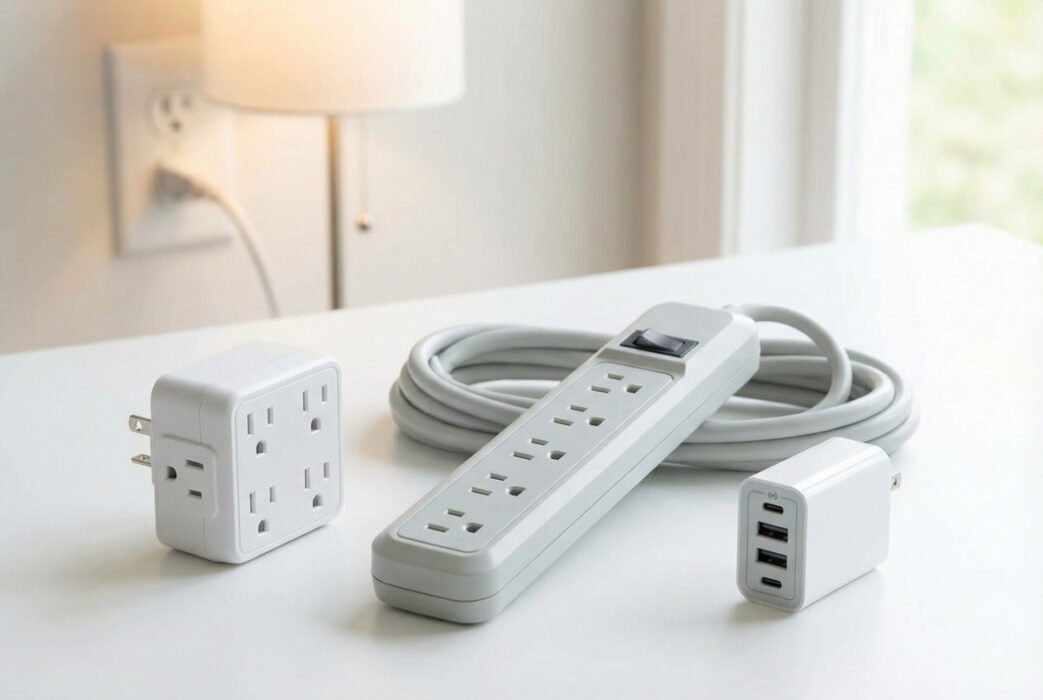
For temporary or low-power needs, high-quality power strips with surge protection and outlet extenders can safely increase the number of available receptacles. These devices are designed to provide multiple outlets from a single wall receptacle, often including features like USB charging ports. It is critical to use only UL-listed products and avoid daisy-chaining multiple power strips, which can lead to circuit overload and fire risks. Always ensure the total power draw does not exceed the circuit’s capacity.
Module: Comparing Outlet Expansion Methods
| Method | Pros | Cons | Best Use Case |
|---|---|---|---|
| GFCI Outlets | Enhanced safety for ungrounded circuits, code-compliant alternative | Requires proper labeling, does not provide true ground | Older homes with two-prong outlets |
| Tapping Existing Outlets | Seamless integration, no visible wiring | Requires electrical knowledge, risk of circuit overload if not planned properly | Adding an outlet near an existing one on the same circuit |
| Surface-Mounted Wiring | No wall demolition, clean appearance | Visible raceways, may not suit all aesthetics | Finished spaces where minimal disruption is desired |
| Power Strips/Extenders | Easy to install, portable, cost-effective | Temporary solution, risk of overload, not for high-power appliances | Temporary power needs, low-power devices |
Module: Electrical Load Calculation
Before adding any new outlets, it is essential to calculate the existing electrical load on the circuit. Each appliance and device draws a certain amount of amperage. Exceeding the circuit breaker’s rating can cause frequent trips or, more dangerously, overheating of wires. A qualified electrician can perform a load calculation to determine safe limits for additional outlets and devices, ensuring the electrical system operates within its capacity.
FAQ: Adding Outlets Without Rewiring
Q1: Is it safe to add outlets without rewiring?
Adding outlets without full rewiring can be safe if done correctly and in compliance with electrical codes. Methods like using GFCI outlets for ungrounded circuits or extending from existing outlets require careful planning and adherence to safety guidelines to prevent hazards.
Q2: What are the alternatives to rewiring for more outlets?
Alternatives include installing GFCI outlets in ungrounded systems, extending from existing outlets, utilizing surface-mounted wiring systems, and using high-quality power strips or outlet extenders for temporary needs.
Q3: Do I need an electrician to add outlets without rewiring?
While some methods, like using power strips, are DIY-friendly, tasks involving direct connection to existing wiring or installing GFCI outlets should ideally be performed or overseen by a qualified electrician to ensure safety and code compliance.
Q4: What are the risks of improperly adding outlets?
Improperly adding outlets can lead to serious hazards such as circuit overloading, electrical fires, and electric shock. It can also result in non-compliance with local electrical codes, potentially affecting home insurance or resale value.
Q5: How do I know if my circuit can handle more outlets?
Determining a circuit’s capacity requires understanding its amperage rating and the total wattage of devices already connected. An electrical load calculation, often performed by a professional electrician, is the most reliable way to assess if a circuit can safely accommodate additional outlets.
Expanding electrical access in a home without extensive rewiring is achievable through several practical and code-compliant methods. Prioritizing safety, understanding electrical loads, and consulting with qualified professionals when necessary are paramount to ensuring a secure and functional electrical system. Thoughtful planning and adherence to established guidelines will allow homeowners to safely enhance their living spaces.
References
[1] Residential Electrical Code Requirements – The Home Depot
