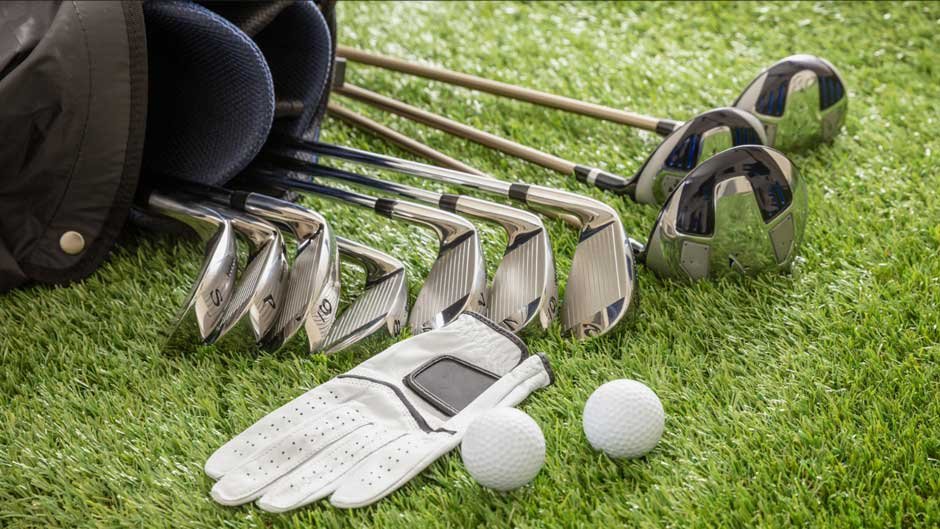
Selecting the right golf clubs is essential for improving your game, achieving greater accuracy, and enjoying a more comfortable and effective swing. Golf clubs are not one-size-fits-all; they vary in length, weight, shaft flexibility, and design. Understanding these differences can help golfers of all skill levels make informed choices and enhance their overall performance on the course.
Whether you are a beginner looking to build your first set or an experienced player aiming to refine your equipment, knowing how to assess and match clubs to your swing is crucial. Factors such as body type, swing speed, and personal comfort all influence which clubs will suit you best.
Understanding Golf Club Components
Golf clubs consist of several key components, each affecting performance: the clubhead, shaft, and grip. The clubhead determines the type of shot, spin, and trajectory. The shaft’s flexibility and length affect swing speed and control, while the grip ensures proper hand placement and comfort. Selecting the right combination of these elements can drastically improve both distance and accuracy.
Clubhead Types
- Drivers: Designed for long-distance shots, usually from the tee. They have larger heads and lower loft angles.
- Irons: Used for a variety of shots, including approach shots to the green. They come in numbered sets from 3 to 9, each with increasing loft.
- Wedges: Specialized irons for short-distance, high-accuracy shots like chips and pitches.
- Hybrids: A cross between irons and woods, offering versatility and easier control.
- Putters: Used on the green for precise rolling shots.
Understanding which type of club is appropriate for specific situations is the first step toward building an effective set tailored to your game.
Importance of Club Fitting
A properly fitted club ensures that your swing mechanics are optimized. Clubs that are too long or too short, too stiff or too flexible, can negatively impact your consistency, distance, and accuracy. Club fitting considers your height, arm length, swing speed, and natural stance to recommend the most suitable specifications.
Using tools like a golf club length calculator helps determine the ideal club length based on your body measurements and swing style. By entering your height and wrist-to-floor measurement, the calculator can suggest customized lengths that reduce strain and improve performance. Properly fitted clubs allow golfers to maintain correct posture, achieve better ball contact, and reduce the risk of injury.
Shaft Flex and Swing Speed
The shaft’s flexibility plays a critical role in how the club performs during your swing. Shafts come in various flex ratings such as extra stiff, stiff, regular, senior, and ladies. Selecting the appropriate shaft flex ensures that energy is transferred efficiently from your swing to the ball.
A golf shaft flex calculator can help golfers determine the most suitable shaft flex for their swing speed. Faster swings generally require stiffer shafts to prevent the club from lagging behind, while slower swings benefit from more flexible shafts to generate additional distance. Matching the shaft flex to your natural swing improves shot consistency, accuracy, and overall control.
Swing Weight and Balance
Swing weight refers to the perceived heaviness of the clubhead relative to the grip during the swing. It affects your timing, tempo, and the ease with which you control the club. Clubs with the right swing weight provide a balanced feel, helping you execute smoother, more controlled swings.
Using a swing weight calculator allows golfers to assess their clubs’ balance and adjust as necessary. This ensures the club feels neither too light nor too heavy during the swing, enhancing comfort and consistency. Swing weight is especially important when customizing a set of irons or drivers to match your specific preferences.
Choosing the Right Set for Your Game
When building a set of golf clubs, consider your skill level, playing style, and the types of courses you frequent. Beginners may benefit from more forgiving clubs such as hybrids and high-lofted irons, while advanced players might prefer clubs that offer more control and shot-shaping capability.
A balanced set typically includes:
- 1 Driver
- 3–5 Woods or Hybrids
- 7–9 Irons
- 2–4 Wedges
- 1 Putter
This combination ensures you are equipped for a wide range of shots and conditions. Clubs should be fitted to your swing style, height, and comfort level to maximize their effectiveness.
Maintenance and Customization
Proper maintenance extends the life and performance of your golf clubs. Regularly cleaning clubheads, checking grips for wear, and inspecting shafts for damage can prevent performance issues. Additionally, customizations such as adjusting the loft, lie angle, or grip size can further optimize your clubs for your personal swing.
Custom club fitting also considers your swing tempo, release angle, and shot preferences. With the help of a golf club length calculator, golf shaft flex calculator, and swing weight calculator, golfers can fine-tune their equipment for maximum efficiency. These tools help ensure every club in your bag contributes to better performance, improved consistency, and greater confidence on the course.
Benefits of Using Calculators in Club Selection
- Precision Fitting: Accurate measurements ensure clubs match your physical attributes and swing style.
- Improved Performance: Properly fitted clubs lead to more consistent ball striking and better distance control.
- Reduced Injury Risk: Clubs that fit your body reduce stress on your back, shoulders, and wrists.
- Better Customization: Calculators allow you to experiment with different setups before committing to new equipment.
By leveraging these tools, golfers can make informed decisions and avoid the trial-and-error approach that often leads to frustration and inconsistent results.
Conclusion
Choosing the right golf clubs requires a balance of knowledge, measurement, and personal preference. Understanding club types, shaft flexibility, swing weight, and the importance of proper fitting can transform your performance on the course. Using tools like a golf club length calculator, golf shaft flex calculator, and swing weight calculator ensures that every club in your bag is optimized for your unique swing and style. By taking the time to select and maintain the proper equipment, golfers can enjoy improved accuracy, distance, and overall satisfaction in their game.
