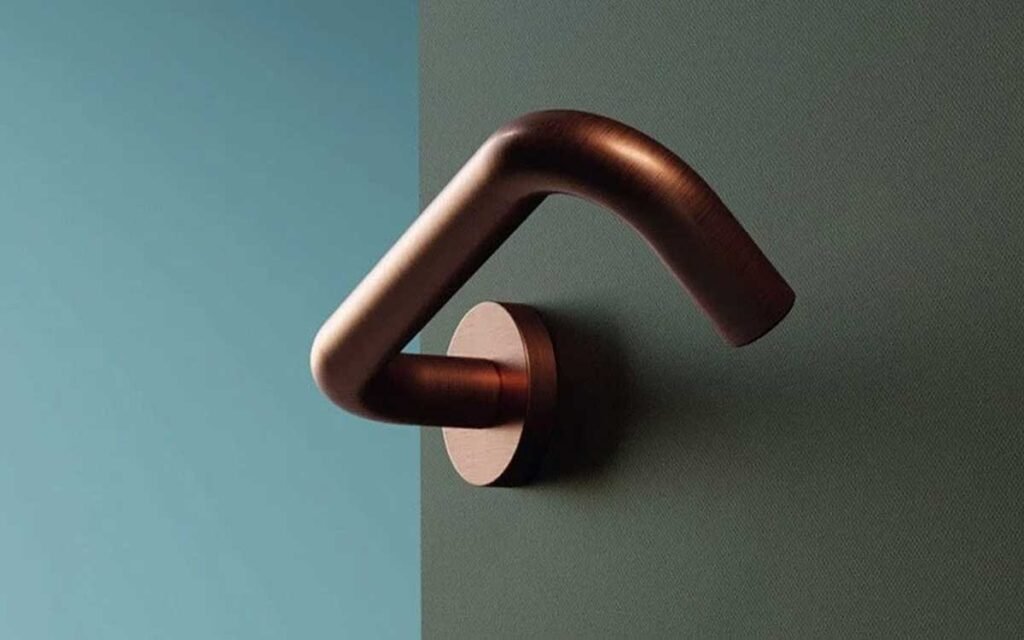
Handle on door selection is often underestimated, yet this small detail has a major impact on how an interior looks, feels, and functions. The handle of the door is one of the most frequently used elements in any space, which means it must combine comfort, durability, and design, emphasizes Keyrenter Salt Lake Holladay Management. In modern interiors, door handles are no longer just hardware components — they are an integral part of the overall architectural concept.
Today, door handles for interior doors are chosen with the same attention as doors, wall finishes, or lighting. Shape, material, finish, and ergonomics all influence daily comfort and visual harmony. A well-chosen handle on door enhances the experience of using the space and subtly reinforces the interior style.
Handle of the Door as a Functional and Visual Element
The handle of the door plays a dual role: it must feel comfortable in everyday use and visually align with the door and surrounding interior. Poorly chosen door handles can disrupt the design flow or feel uncomfortable over time, even if the door itself is well designed.
In residential interiors, door handles are used dozens of times a day, which makes ergonomics especially important. The grip should feel natural, the mechanism should operate smoothly, and the finish should resist wear. From a visual perspective, the handle of the door acts as a small but noticeable accent that can either blend in or stand out intentionally.
Interior designers often consider door handles as part of a larger system that includes doors, frames, and wall finishes. Consistency across these elements creates a more refined and cohesive interior.
Door Handles for Interior Doors: Design and Comfort
Door handles for interior doors are available in a wide range of designs, from minimalist straight levers to more expressive sculptural forms. Modern interiors tend to favor clean lines and neutral finishes that do not overwhelm the space. Matte black, brushed steel, and soft metallic tones are commonly used to complement contemporary doors.
Comfort remains a priority regardless of style. A handle should be easy to grip, require minimal effort to operate, and feel solid in the hand. These factors become especially important in homes with children, elderly residents, or high daily traffic.
Door handles for interior doors are typically selected to match:
- the door design and surface finish
- the overall interior style
- the level of use and required durability
When these aspects are balanced correctly, door handles enhance both usability and aesthetics.
Materials, Finishes, and Long-Term Performance
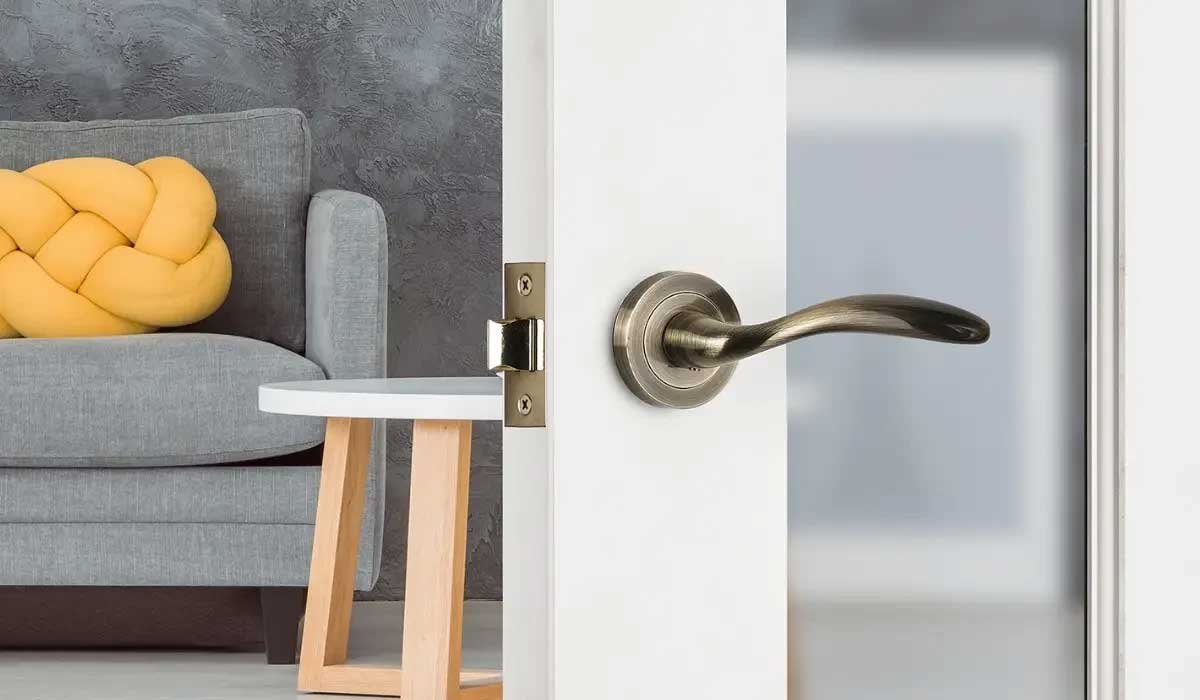
The durability of door handles depends largely on material quality and surface treatment. High-quality metal alloys provide strength and resistance to deformation. Protective finishes help prevent scratches, corrosion, and fading, ensuring that the handle maintains its appearance over time.
In modern interiors, tactile experience is just as important as visual appeal. The texture of the handle, its temperature to the touch, and the smoothness of its movement all contribute to daily comfort. A well-made handle on door feels solid and reliable, reinforcing the perception of quality throughout the interior.
Because door handles are handled frequently, investing in reliable construction often proves more cost-effective in the long term than replacing low-quality hardware.
Door Handle Sale and Buying Considerations
When homeowners look for a door handle sale, it is tempting to focus only on price. However, the value of a handle should be evaluated based on performance, durability, and compatibility with the door. Door handles buy decisions are best made by considering how the handle will perform in everyday use rather than only how it looks on display.
Prices can vary depending on design complexity, materials, and brand positioning. Instead of choosing solely based on cost, it is more practical to assess whether the handle suits the specific interior and usage conditions.
Key aspects to consider when selecting door handles include:
- comfort and ergonomics
- durability of materials and finish
- visual compatibility with doors and interior style
This approach helps ensure that a door handle sale results in a long-term upgrade rather than a short-term compromise.
Coordinating Door Handles with Interior Doors
Door handles are most effective when they are selected as part of a complete interior door system. Coordinating handles with door panels, frames, and other hardware creates visual consistency and improves the overall impression of the space.
At Triodoors (https://triodoors.ca/door-handles/), door hardware is approached as an essential part of modern interior solutions. The door shop Triodoors offers door handles for interior doors that align with contemporary door designs, allowing homeowners to create cohesive and balanced interiors without mismatched details.
