Want your house to stay comfortable and healthy? Looking for a long life out of your investment?
Homeowners know how important temperature control is to indoor comfort. But what about humidity? It’s the unspoken secret that influences everything in your home from comfort to how long your drywall, flooring and foundation lasts.
Humidity control is:
- FREE to measure
- Inexpensive to control
- Powerful enough to change your entire home’s comfort overnight
Here’s what you’ll learn:
- How Humidity Impacts Your Home More Than Temperature
- The Sneaky Ways Humidity Ruins Your Home From The Inside Out
- How Humidity Can Make You Sick
- Ideal Humidity Range For Every Room
- How to Take Back Control of Indoor Humidity
How Humidity Impacts Your Home More Than Temperature
The average American lives inside roughly 90% of their life. That’s right. Ninety percent. The quality of your indoor air matters.
Humidity levels are a huge factor in how comfortable and healthy your air is. Too much humidity produces ideal conditions for mold, mildew and bacteria to grow. Not enough leaves your skin dry and itchy, causes irritated sinuses and is destructive to wood floors.
The problem?
Humidity tends to be the last thing on homeowners’ minds. And because of this, many issues related to excess moisture go unnoticed until it’s too late. Things like leaky sewer lines, drainage problems and burst pipes can slowly destroy your home from within. A routine sewer line inspection from qualified HVAC and Plumbing Pros can prevent these issues before they get out of hand.
Walls, flooring and crawlspaces can trap moisture without you even realizing it. Unless you’re regularly checking and controlling your indoor humidity levels, you might be stuck with a chronically damp house.
Bottom line. Humidity affects more than you think. Here are a few things that will suffer if you don’t keep it in check:
- Health — Family members can experience aggravated allergy and asthma symptoms
- Home’s structure — The interior of your home will start to deteriorate over time
- Your wallet — Major mold damage can decrease your home’s resale value by 20%
The Sneaky Ways Humidity Ruins Your Home From The Inside Out
Your home can fall victim to excessive moisture in many ways. And worst of all, most of these issues occur where you don’t see on a day-to-day basis.
These are just a few ways high humidity can ruin your home from the inside out:
- Buckling hardwood floors
- Peeling paint
- Rotting support beams
- Destroyed carpet padding
- Corroded HVAC systems
Mold and moisture problems are known to cause home resale values to drop 20-37%. That’s a massive hit to your investment.
Anything in your home that’s made of wood is susceptible to excess humidity. Mold simply needs moisture and an organic substance to grow on. Drywall, wood studs, carpet padding and even insulation are food for mold.
As soon as indoor humidity levels rise above 60%, you could start seeing mold grow anywhere in 1-2 days.
Leaks, lack of ventilation and drainage problems are all sources of unwanted moisture. Hidden fixtures behind walls and under floors can give moisture anywhere to thrive.
How Humidity Can Make You Sick
Humidity can have a profound effect on your health as well.
Did you know that too much humidity in your home can cause headaches, fatigue and even difficulty concentrating?
Did you also know that…
Approximately 4.6 million asthma cases in the United States are caused by indoor dampness and mold growth. That’s not a small number.
The elderly, children and pets are most susceptible to health concerns caused by high humidity. Dry skin, irritated throats and bloody noses are also symptoms.
Not enough humidity can cause health issues as well.
Dry air sucks the moisture right out of your skin. Not only will you feel itchy and uncomfortable, but lips, nostrils and even your eyes can suffer.
Anyone can get a nosebleed when the air is too dry. Respiratory infections and illness can occur.
As with most things in life, too much or too little humidity can make you sick. Here’s what you shouldn’t have to worry about if you maintain healthy humidity levels:
- Headaches
- Fatigue
- Sinus Infections
- Irritated Skin
The Environmental Protection Agency (EPA) recommends keeping indoor humidity levels between 30%-50%. Not too high. Not too low. Just right.
Ideal Humidity Range For Every Room
As you know by now, humidity can cause damage to your home’s structure and your family’s health. But did you know that not all rooms need to be the same humidity level?
Take showers and baths, for example. They inherently produce more humidity than something like your bedroom.
Because of this, you should try to identify where humidity levels are the highest and target those rooms.
Basements and crawlspaces are typical humidity traps. Since these areas are below-grade, moisture from the ground has nowhere to escape. Not to mention leaking pipes beneath your home can puddle and pool in these rooms.
The kitchen and bathroom of any home produce the most steam and humidity. Obviously, cooking and showering can’t be eliminated. So, managing humidity in these rooms is critical.
Kitchen and bath exhaust fans help remove moisture before it has a chance to saturate the air. Make sure these are working properly!
Here are a few telltale signs that you might have a humidity problem on your hands:
- Condensation on windows
- Musty odors
- Peeling paint
- Mold spots
How to Take Back Control of Indoor Humidity
The great news is that indoor humidity is 100% manageable. Here are a few tips to get you started:
First:
Install exhaust fans in every bathroom and kitchen. Run them! During and after showers and cooking is ideal.
Your HVAC system is your next line of defense. These systems do more than keep you warm in the winter and cool during the summer.
Humidity control is a huge factor in how comfortable you feel at home. If your HVAC system’s filters are dirty or drain lines are clogged, it won’t be able to do its job.
Next, take a look…
- Using a dehumidifier in rooms like basements can help
- Seal gaps and cracks around windows and doors
- Look into regular plumbing inspections
- Make sure your outdoor landscaping slopes away from your home’s foundation
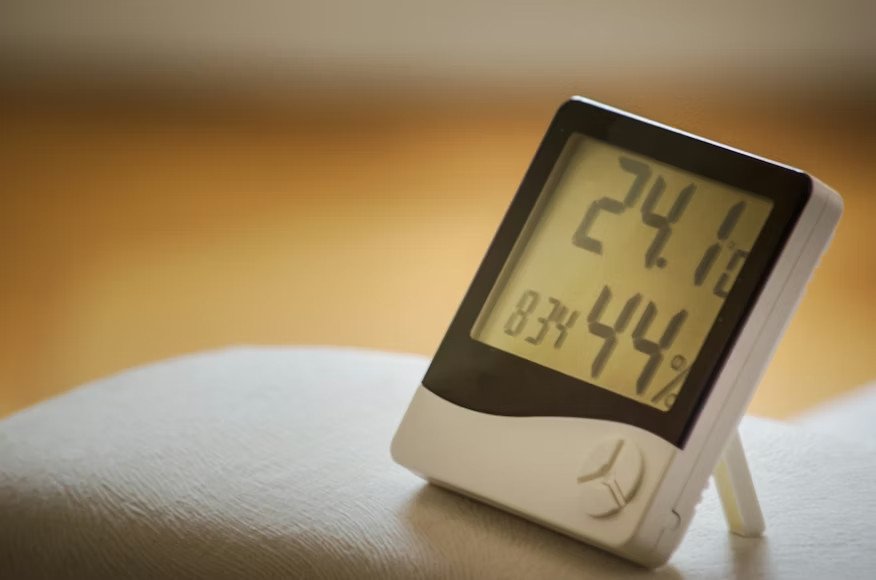
- Pick up an inexpensive hygrometer to track indoor humidity levels
Speaking of your home’s foundation. Outside drainage is huge. If water pools up next to your foundation, it’ll find ways to make its way inside.
Crawl spaces are another annoying source of unwanted moisture. All of your HVAC system’s moisture removal depends on proper drainage in your crawl space.
If your home has a dirt floor in the crawl space, consider hiring a contractor to lay down a vapor barrier. This will help lock moisture in the ground from getting in.
Don’t forget about your HVAC system’s drip pan and drain line either. These can become clogged and cause water to back up into your HVAC equipment. From there, it can travel to rooms throughout your home.
Bringing It All Together
No one wants to live in a home that smells musty or causes allergic reactions. Keeping your humidity levels in check is the first step to ensuring your family’s comfort and health.
Humidity levels between 30%-50% are ideal for any home. Once you’ve confirmed your humidity levels are in this range you can address problems and prevent them from happening in the future.
Quick recap:
- Install ventilation systems in every bathroom and kitchen
- Control moisture levels with a dehumidifier
- Fix drainage and plumbing issues quickly
- Seal cracks and gaps around windows and doors
- Check your HVAC system regularly
Homes that stand the test of time are the ones where humidity levels are controlled. Never let moisture rule your life. Fight back today!
